
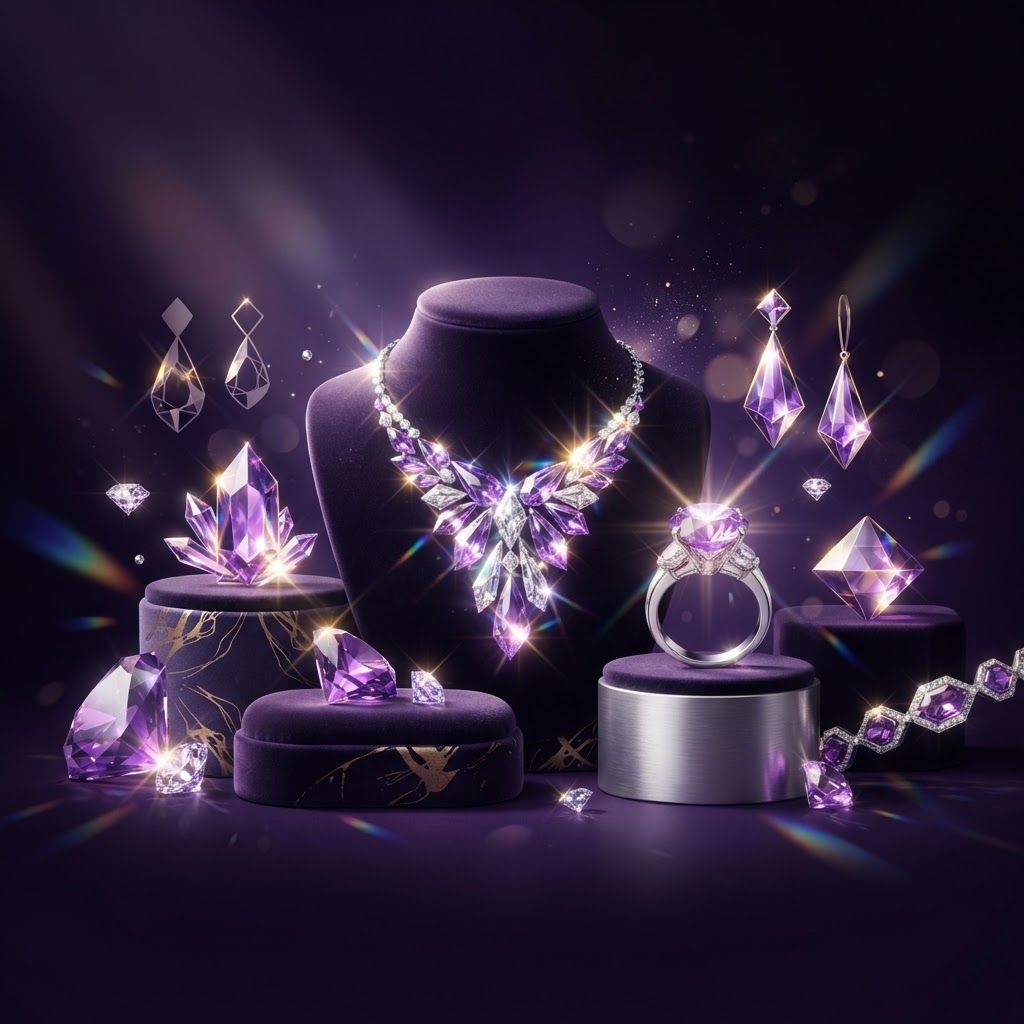
The Jewelry Market in Cary
Cary's affluent, well-educated population has produced a jewelry market that rewards substance over spectacle. Buyers here tend to research thoroughly, ask detailed questions about stone grading and metal composition, and value long-term service relationships. That has encouraged both national brands and independent jewelers to compete on transparency, craftsmanship and aftercare rather than discount pressure.
The market spans several tiers: luxury design houses, established national retailers, direct-to-consumer diamond specialists, independent bench jewelers who handle custom work and repair, and fashion jewelry brands for everyday wear. Understanding which tier suits your purpose prevents both overspending and disappointment.
1. Tiffany and Co.
Tiffany remains the reference point for fine jewelry gifting. Its strength lies in consistent design language, rigorous quality control and craftsmanship that holds up across decades. Settings are engineered for security, and finishing quality is visible under magnification. The brand commands a premium, but resale recognition and service support are correspondingly strong.
2. Cartier
Cartier occupies the upper luxury tier with iconic collections that have remained desirable for generations. The brand's watchmaking heritage informs its metalwork precision, and pieces are engineered for daily wear despite their status positioning. For buyers treating jewelry partly as a long-term asset, Cartier's recognition is difficult to match.
3. Blue Nile
Blue Nile pioneered transparent online diamond purchasing, offering extensive inventory with published grading reports. For Triangle buyers who prefer to compare specifications analytically before committing, the model works well. The trade-off is limited physical inspection, so buyers should confirm return policies and consider independent appraisal after purchase.
4. Brilliant Earth
Brilliant Earth focuses on ethically sourced natural diamonds and lab-grown alternatives, with documentation of origin. Lab-grown stones have become a major force in the Cary market, allowing buyers to obtain larger or higher-clarity stones at significantly lower cost. The brand also offers recycled precious metals for buyers prioritizing environmental impact.
5. Local Independent Bench Jewelers in Cary
Independent jewelers operating workshops in and around Cary provide something national chains generally cannot: custom design, on-site repair, resizing, stone setting and restoration of heirloom pieces. Working directly with a bench jeweler allows genuine collaboration on design and typically delivers better value per dollar in materials, since overhead is lower.
6. David Yurman
David Yurman is known for distinctive cable-motif designs in sterling silver combined with gold accents. The pieces sit in an accessible luxury tier and are popular as recognizable gifts. Construction is robust, making the collections suitable for regular wear rather than occasional use.
7. Pandora
Pandora dominates the accessible charm and layering segment. Its modular bracelet system allows gifting over time, which explains sustained popularity for birthdays and holidays. Materials are typically sterling silver or gold-plated, so buyers should expect periodic cleaning and eventual replating on plated items.
8. Mejuri
Mejuri targets buyers who want fine materials in everyday designs at midrange prices. Solid gold basics such as hoops, chains and stacking rings are the core offering, and the brand emphasizes self-purchase rather than gifting occasions. Quality is generally solid for the price tier, particularly compared with plated fashion jewelry.
9. Kendra Scott
Kendra Scott has a strong Southern following and performs well in Cary for colorful, statement-oriented fashion jewelry. Natural stone accents and customizable designs make the brand popular for gifts and bridal party sets. These are fashion pieces rather than investment jewelry, priced accordingly.
10. Jared and Kay Family Retailers
National jewelry retailers with Triangle-area locations provide broad inventory, financing options, warranty programs and in-house repair services. For buyers who want to examine many pieces in person and have access to ongoing maintenance plans, these stores offer convenience and structured aftercare.
Understanding Diamond and Gemstone Value
Diamond pricing rests on the familiar four characteristics of carat weight, cut quality, color grade and clarity grade, but cut quality deserves the greatest attention because it governs how a stone actually looks. A well-cut stone of modest specifications will outshine a poorly cut larger one. Always request an independent grading report from a recognized laboratory rather than relying on in-house documentation.
Lab-grown diamonds are chemically and optically identical to mined stones and now represent a substantial share of engagement purchases. They offer clear cost advantages, though resale value differs meaningfully from natural stones. Buyers should decide which factor matters more to them before shopping.
Metals, Durability and Care
Platinum is dense and holds stones securely but shows surface scuffing that develops into a patina. White gold requires periodic rhodium replating to maintain brightness. Yellow and rose gold in fourteen karat are harder and more scratch-resistant than eighteen karat, which is softer but richer in color. In Carolina's humidity, regular gentle cleaning and annual professional inspection of settings prevent the most common cause of stone loss, which is worn prongs.
Buying Advice
Set a budget before shopping and allocate part of it to insurance and appraisal rather than spending the full amount on the piece itself. Ask about warranty terms, resizing policies, trade-up programs and what maintenance is required to keep coverage valid. For custom work, request design renderings and a written specification of metal, stone dimensions and grading before production begins.
Final Thoughts
Cary buyers benefit from a market that combines luxury availability, transparent online options and genuine local craftsmanship. Match the tier to the purpose: heirloom and milestone pieces justify investment in certified stones and reputable houses, while everyday and fashion jewelry should be chosen for durability and wearability. In every case, documentation, insurance and a trusted local jeweler for ongoing service will protect the purchase far better than brand name alone.