
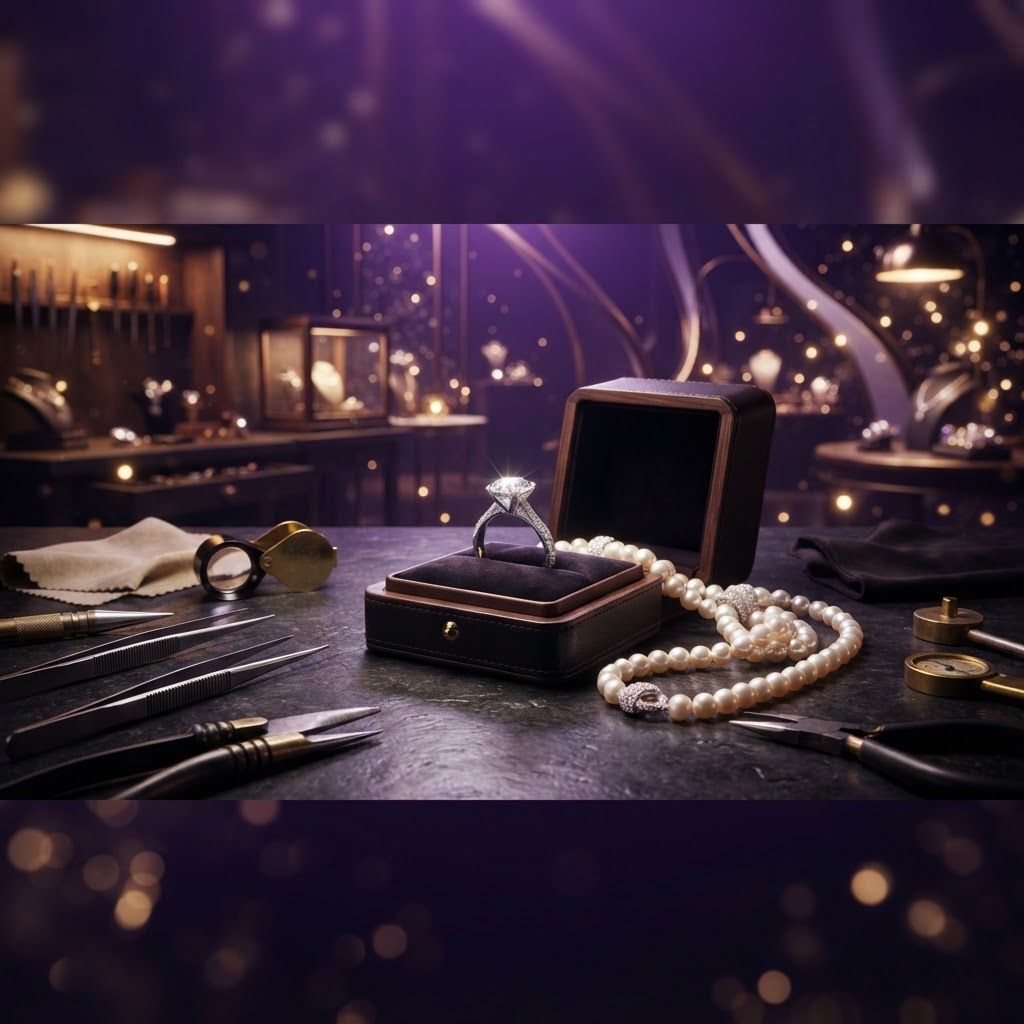
Jewelry Culture in Baton Rouge
Baton Rouge has a notably active jewelry market for a city of its size, driven by a combination of tradition and social calendar. Engagement and wedding volume is high, and many couples marry relatively young by national standards. Mardi Gras krewe traditions involve jewelry as gifts, regalia and keepsakes. Louisiana State University graduations, debutante events, church milestones and family celebrations all generate gift purchases. And the region has a strong culture of heirloom passing, which sustains demand for repair, restoration and resetting services.
The market includes independent family jewelers with decades of local reputation, national chains in the malls, custom design studios, estate and antique dealers, and online retailers. Each serves a different balance of price, personalization and service.
Leading Jewelry Brands and Local Categories
1. Independent family-owned Baton Rouge jewelers. The strongest performers in this market are typically long-established local jewelers. Their advantages are substantial: in-house goldsmiths, custom design capability, honest gemstone education, appraisal services, repairs performed on site rather than mailed away, and reputations built over generations that they cannot afford to damage. For significant purchases, this category usually delivers the best combination of value and trust.
2. Mignon Faget and Louisiana designers. Regional designers producing fleur-de-lis, oyster, magnolia and coastal-motif jewelry occupy a distinctive place in Louisiana gift-giving. These pieces carry cultural meaning that national brands cannot replicate, and they are a default choice for graduations, weddings and milestone gifts within the state.
3. Tacori. A widely carried designer bridal brand known for detailed metalwork, crescent silhouettes and distinctive settings. Couples wanting a recognizable designer aesthetic with strong craftsmanship frequently choose it, and authorized local retailers provide warranty service and sizing support.
4. Verragio. Another prominent bridal designer, recognized for intricate pavé work, two-tone constructions and elaborate gallery detailing. It appeals to buyers who want visible design distinctiveness rather than a classic solitaire.
5. Hearts On Fire and premium diamond brands. Brands built around proprietary cutting standards and exceptional light performance serve buyers who prioritize measurable optical quality. The premium is real, but so is the difference in brilliance for someone who compares stones side by side under proper lighting.
6. Forevermark and De Beers-affiliated lines. These brands emphasize diamond provenance, inscription-based traceability and responsible sourcing. As ethical sourcing has become a mainstream concern rather than a niche one, documented origin has become a genuine selling point.
7. Custom design studios and bench jewelers. Custom work has grown considerably, aided by computer-aided design rendering and three-dimensional printing that let clients see a ring before it is cast. Custom design is also the standard route for resetting inherited stones — a common request in a region with strong heirloom traditions — and pricing is frequently competitive with comparable branded pieces.
8. Pandora and accessible fine jewelry brands. Charm bracelets, stackable rings and modest gold and silver pieces serve the everyday gift market at accessible price points. This category is important for teen and young adult gifting, holidays and graduation presents.
9. Rolex, Omega and fine watch brands. Authorized watch retail serves both collectors and milestone buyers. Watches in this tier function partly as durable goods and partly as heirlooms, and authorized service access matters greatly for long-term ownership and value retention.
10. Estate, antique and lab-grown diamond specialists. Two fast-growing segments round out the market. Estate and antique dealers offer distinctive vintage pieces, often at favorable value, along with restoration expertise. Lab-grown diamond specialists offer chemically identical stones at substantially lower prices, allowing buyers to purchase larger or higher-clarity stones within a fixed budget — now a mainstream choice rather than an unusual one.
Trends in the Jewelry Market
Lab-grown diamonds have reshaped the engagement segment more than any development in decades. Prices have fallen significantly, and buyers routinely choose them for center stones while reserving natural diamonds for accents or heirloom pieces. Buyers should understand that natural and lab-grown stones follow different resale trajectories.
Colored gemstones have also gained ground in bridal jewelry, with sapphire, emerald, morganite and moissanite appearing regularly as center stones. Meanwhile, resetting inherited stones into contemporary designs has become a popular way to honor family history without wearing a dated setting.
Transparency has improved throughout the industry. Independent grading reports, documented sourcing and clear written appraisals are now expected rather than exceptional, and reputable jewelers volunteer this documentation.
How to Buy Jewelry Wisely
Insist on independent grading for significant diamonds, and understand what the report actually says about cut, color, clarity and carat weight. Cut quality affects apparent beauty more than any other factor, and a well-cut smaller stone frequently outperforms a larger poorly cut one.
Verify metal purity markings and ask specifically about gold karat, platinum content and whether a piece is solid or plated. Get a written appraisal for insurance purposes on anything valuable, and photograph your pieces.
Evaluate service before you buy: sizing, prong inspection, rhodium replating for white gold, stone tightening and warranty terms. Jewelry requires maintenance, and a local jeweler who will inspect your setting annually protects your investment far better than the lowest online price. Finally, buy within a sensible budget and prioritize craftsmanship and cut over sheer size.
Final Thoughts
Baton Rouge's jewelry market rewards buyers who take advantage of its local depth. Independent jewelers here offer bench work, honest education and long-term service that online retailers cannot match, while regional designers provide pieces with genuine cultural meaning. Whether you are buying an engagement ring, resetting a grandmother's stone or choosing a graduation gift, focus on documented quality, craftsmanship and a relationship with a jeweler who will still be there when the piece needs care.