
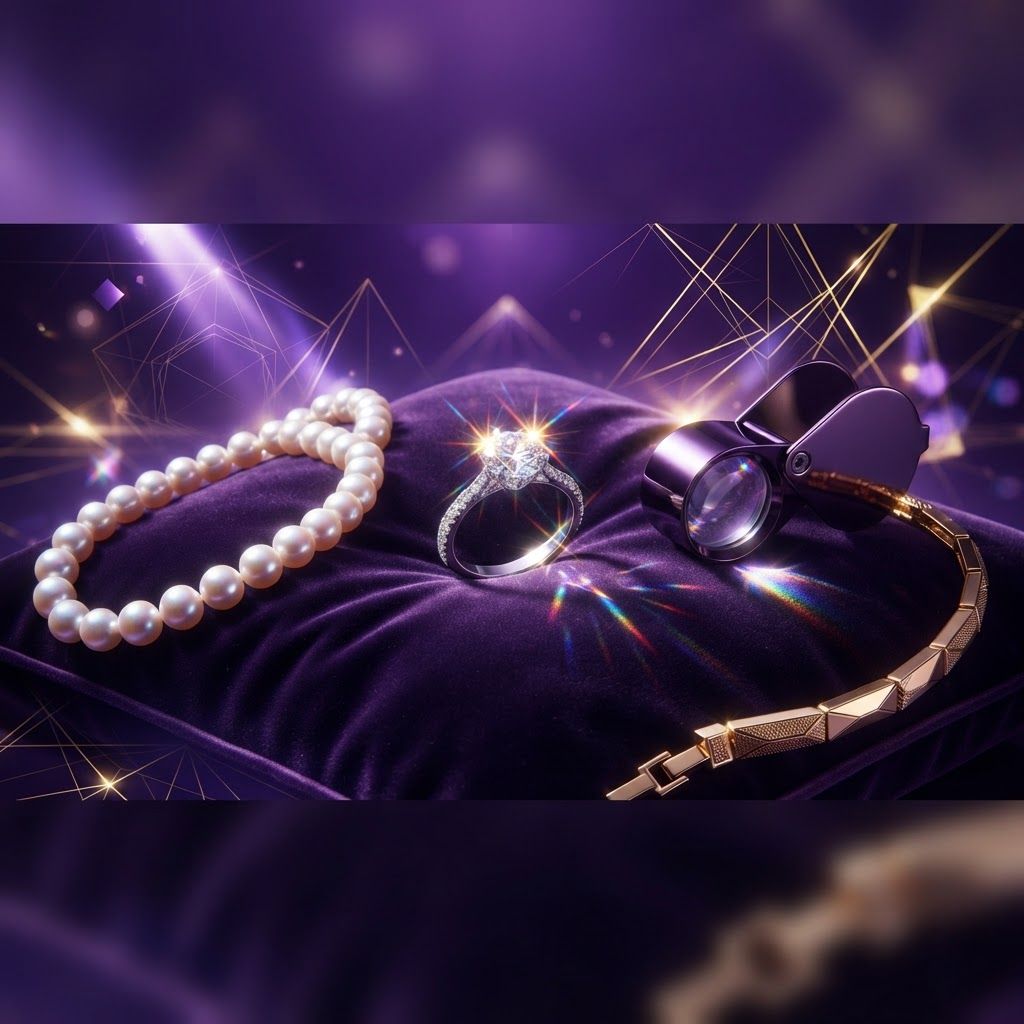
The Jewelry Market in Babylon
Babylon supports a jewelry market shaped by two forces. The first is life-event buying: engagements, weddings, anniversaries, and milestone gifts in a community with deep multigenerational family roots. The second is the coastal identity of the South Shore, which sustains genuine demand for nautical and ocean-inspired pieces worn daily rather than reserved for occasions.
These forces support different kinds of businesses. Fine jewelers with gemological credentials serve the engagement and heirloom market, where the stakes are high and expertise is verifiable. Designer and artisan brands serve the everyday coastal market, where distinctiveness and wearability matter more than certification. Both exist in and around Babylon Village, and knowing which you need clarifies where to shop.
Ten Jewelry Brands and Jewelers Serving Babylon
Babylon Village Fine Jewelers operates as a traditional full-service jeweler, handling diamond and gemstone sales, custom design, appraisal, and repair. Their value lies in credentialed gemological knowledge and in the willingness to explain trade-offs among the factors that determine a diamond's appearance and price.
Great South Bay Goldsmiths focuses on custom fabrication and bench work, creating original pieces and reworking inherited jewelry into wearable modern designs. On-premises goldsmithing is increasingly uncommon and represents genuine craft capability.
Argyle Anchor Designs builds coastal-themed jewelry around anchors, knots, waves, and marine motifs in sterling silver and gold. Their pieces read as authentically local rather than as generic beach souvenirs, which is why they hold up as daily wear.
Fire Island Pearl Company specializes in pearls, from classic strands to contemporary settings, along with restringing and matching services. Pearl quality assessment is a specialized skill, and a dedicated pearl specialist adds real confidence to a purchase.
Sunrise Bridal Jewelers concentrates on engagement rings and wedding bands, offering both natural and laboratory-grown diamonds, custom settings, and clear education on certification and pricing. Their consultative approach suits buyers making an unfamiliar significant purchase.
Heirloom Restoration Studio works exclusively on antique and estate jewelry repair, restoration, and appraisal. For families with inherited pieces needing structural repair or resizing without loss of period character, this specialization is difficult to replace.
Coastal Silver Workshop produces handcrafted sterling silver jewelry with an emphasis on texture and organic forms drawn from shoreline surfaces. Their price positioning makes artisan work accessible for regular wear.
Montauk Line Watch & Jewelry combines fine jewelry with watch sales and servicing, including battery replacement, movement service, and vintage watch restoration. Watch servicing is a distinct discipline, and local access to it is valuable.
Bayview Estate Jewelry deals in pre-owned and estate pieces, offering vintage designs at prices below comparable new production while also purchasing from sellers. Estate buying appeals to customers seeking distinctiveness and value simultaneously.
Tidewater Contemporary Jewelry represents modern designer work with an emphasis on architectural forms, mixed metals, and unconventional gemstones. Their curation serves customers who want current design rather than traditional styling.
Trends Shaping Jewelry Buying
Laboratory-grown diamonds have fundamentally altered the engagement market. Chemically and optically identical to mined diamonds, they sell at substantially lower prices, which allows buyers to choose larger or higher-quality stones within the same budget. The trade-off is different long-term value retention, and reputable jewelers now discuss this openly rather than steering customers.
Custom design has become far more accessible. Computer-aided design and rendering let customers see a piece before it is made, reducing the risk that historically made custom work intimidating. This has moved custom from a luxury service toward a mainstream option.
Provenance and ethical sourcing are now standard customer questions. Buyers ask where stones and metals originate, and jewelers able to answer specifically hold a meaningful trust advantage over those offering vague reassurance.
Everyday wearability has also grown as a priority. Demand has shifted toward stacking rings, layered chains, and lower-profile settings that survive daily life, and away from pieces that only leave a box for special occasions.
How to Buy Jewelry Well
For diamonds and coloured stones, insist on independent certification from a recognized laboratory. Certification describes what you are buying in verifiable terms and is the foundation of both fair pricing and future insurance and resale.
Understand that cut quality drives appearance more than carat weight or clarity grade. A well-cut smaller stone consistently outperforms a poorly cut larger one visually, and jewelers who lead with cut education are generally giving honest guidance.
Get an independent appraisal for significant purchases, separate from the seller. Appraisals matter for insurance and provide a second opinion on quality and value.
Ask about service and warranty terms. Prong retipping, resizing, stone tightening, and cleaning are routine maintenance requirements over a lifetime of wear, and jewelers with in-house bench capability handle these faster and more reliably than those shipping work out.
Caring for Jewelry in a Coastal Environment
Salt air and salt water are harder on jewelry than most owners realize. Salt accelerates tarnish on silver, can loosen settings over time, and leaves residue that dulls stones. Removing rings before swimming in the bay or ocean and rinsing pieces after exposure prevents most of this.
Sunscreen, sand, and chlorine also cause problems, with sunscreen building a film on stones and sand acting as an abrasive. Regular professional cleaning and inspection, typically twice yearly, catches loose settings before a stone is lost.
Store pieces separately to prevent scratching, particularly softer stones like pearls and opals, which also need protection from dryness and cosmetics. The jewelers listed above offer inspection and cleaning services, and using them consistently is the single most effective way to protect a significant purchase over decades of wear.