
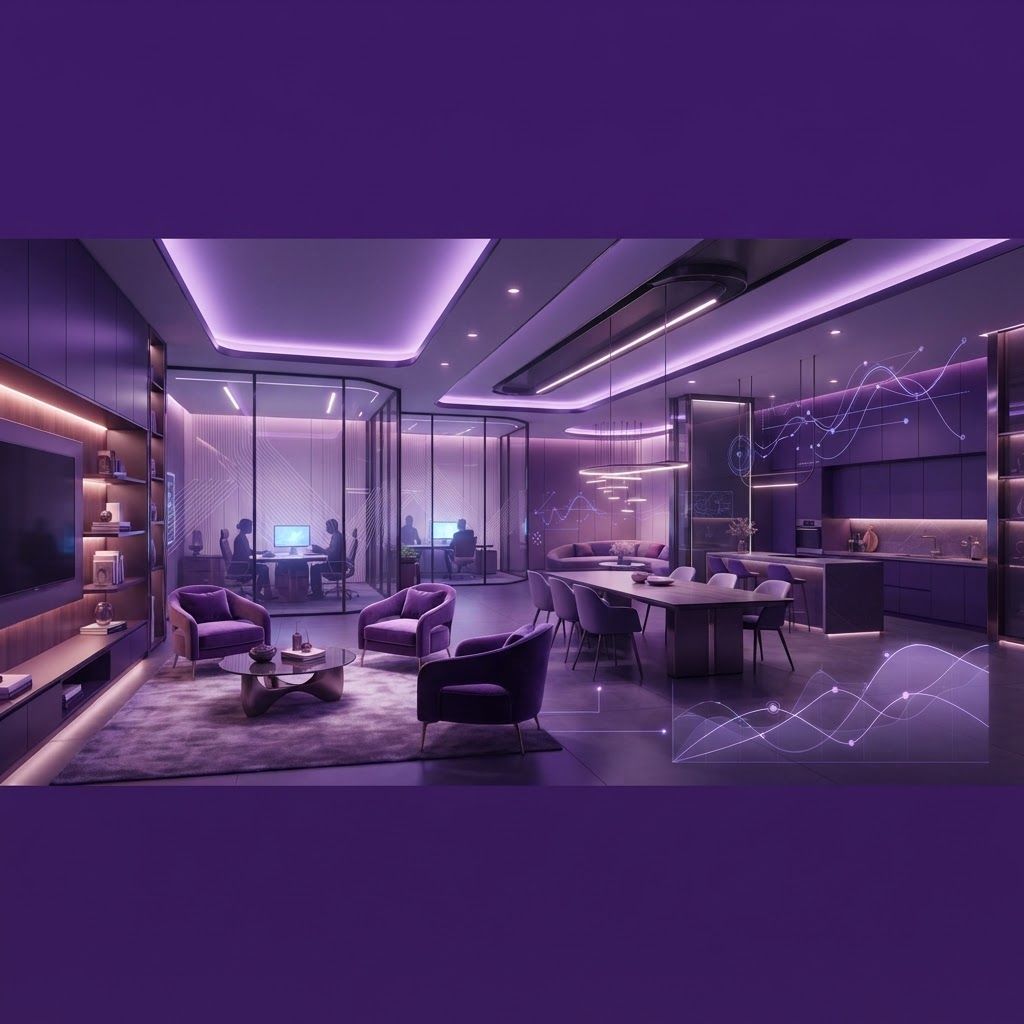
Why Interior Fitout Matters So Much in Norfolk
Norfolk sits at the heart of Hampton Roads, a region shaped by naval activity, maritime logistics, higher education and a growing healthcare sector. That mix creates unusual demand for interior fitout work. A downtown office may need to accommodate government contractors with strict security and cabling requirements. A restaurant on Granby Street may need a full kitchen build-out inside a century-old brick shell. A medical suite near the Ghent district may need clean, code-compliant finishes and precise mechanical coordination. Fitout is the discipline that turns bare or outdated space into a functioning, branded environment, and in Norfolk it also has to respect humidity, salt air, older building stock and flood-conscious construction details.
What a Full-Service Fitout Company Actually Delivers
Strong fitout firms operate as single points of accountability. They handle space planning, permit drawings, millwork fabrication, flooring, ceilings, partitions, lighting, mechanical and electrical coordination, furniture procurement and final handover. The value is not just craftsmanship but sequencing. When drywall, electrical rough-in, HVAC ductwork and joinery installation are scheduled by one team, a project that would sprawl across months of subcontractor gaps can be delivered in weeks. That matters enormously for commercial tenants paying rent on space they cannot yet occupy.
1. Harbor Line Interiors
Harbor Line Interiors has built its reputation on commercial office fitouts in downtown Norfolk and along the Waterside corridor. The firm is known for detailed pre-construction budgeting, giving clients realistic numbers before drawings are finalized rather than after. Its in-house project managers coordinate directly with building engineers, which reduces friction in multi-tenant towers where elevator access, after-hours work and noise restrictions can quietly derail a schedule.
2. Tidewater Fitout Group
Tidewater Fitout Group specializes in restaurant, cafe and hospitality build-outs. The team understands grease interceptor requirements, hood systems, acoustic treatment and durable finish selection for high-traffic dining rooms. Owners frequently praise the firm for value engineering that protects the guest-facing design while trimming cost from back-of-house areas where visual impact is minimal.
3. Chesapeake Craft Interiors
Chesapeake Craft Interiors focuses on high-end residential and boutique commercial joinery. The company maintains its own millwork shop, which allows custom cabinetry, wall paneling, built-in seating and library shelving to be produced to tight tolerances. For historic Norfolk homes with out-of-square walls and settled floors, that shop capability is a genuine advantage over firms relying entirely on stock casework.
4. Meridian Workspace Solutions
Meridian Workspace Solutions serves corporate and government-adjacent clients who need secure, technology-heavy environments. Structured cabling, access control integration, conference room audiovisual infrastructure and acoustic privacy are core competencies. The firm is often selected for phased fitouts where a department must keep operating while its floor is renovated around it.
5. Norfolk Design and Build Co.
Norfolk Design and Build Co. offers architecture, interior design and construction under one contract. Clients who dislike managing separate designer and contractor relationships gravitate toward this model because responsibility for coordination errors sits with a single company. The firm has completed dental practices, veterinary clinics, law offices and small retail units across the city.
6. Southside Commercial Interiors
Southside Commercial Interiors handles larger-format work, including warehouse office pods, logistics facility break rooms and light industrial support spaces. Given Norfolk port activity, this niche stays busy. The company is valued for realistic scheduling and for finishing punch lists quickly rather than letting small defects linger for months after substantial completion.
7. Atlantic Contract Interiors
Atlantic Contract Interiors leans into healthcare and education projects, where infection control, durability and regulatory inspection readiness dominate material choices. Sheet vinyl flooring, antimicrobial surfaces, sealed transitions and precise documentation are standard practice here. The firm typically provides detailed close-out packages that facility managers can actually use for maintenance planning.
8. Bayfront Interior Contractors
Bayfront Interior Contractors concentrates on coastal properties and waterfront condominiums. Salt-air corrosion, moisture management and hurricane-conscious detailing influence every specification, from hardware finishes to window treatment mounting. Clients renovating investment or short-term rental properties often use the firm for fast, standardized unit refresh programs.
9. Old Dominion Fitout Partners
Old Dominion Fitout Partners works primarily with landlords and property managers delivering white-box conversions and speculative suites. Because the firm repeats similar scopes across many units, its pricing tends to be competitive and predictable. It is a practical choice for owners preparing vacant space for the leasing market rather than for a specific tenant.
10. Cornerstone Interior Works
Cornerstone Interior Works rounds out the list as a mid-sized generalist with strong small-project discipline. Tenant improvements under a few thousand square feet often get neglected by large contractors, and this firm has built a following by treating those jobs seriously with proper drawings, permits and supervision.
Trends Shaping Norfolk Fitout Projects
Several trends are visible across the local market. Hybrid work has reduced total office square footage but increased spending per square foot, with more collaboration rooms, video-ready meeting spaces and better acoustics. Sustainability requirements are rising, pushing low-emission adhesives, recycled-content materials and daylight-conscious layouts. Flood-resilient design is increasingly discussed for ground-floor spaces, with elevated equipment, water-tolerant finishes and quick-dry assemblies. Lead times for lighting, glazing and specialty furniture remain longer than pre-pandemic norms, so early procurement is now a competitive differentiator rather than an administrative detail.
How to Choose the Right Fitout Partner
Start by matching project type to firm specialty. A restaurant build-out and a medical suite demand different regulatory fluency. Ask for a schedule that names specific milestones rather than a single completion date. Confirm who supervises the site daily and whether that person is dedicated or shared across several jobs. Review allowances carefully, because vague allowances for millwork, lighting and flooring are the most common source of budget escalation. Finally, ask how change orders are priced and approved before work proceeds. Companies with clear answers to those questions tend to deliver the calmest projects.
Final Thoughts
Norfolk offers a deep bench of interior fitout talent across commercial, hospitality, healthcare and residential segments. The best outcomes come from selecting a firm whose past work resembles your project, agreeing on scope in detail before mobilization and respecting the coordination effort that good fitout requires. Handled well, a fitout does more than update a space. It improves how people work, how customers feel and how efficiently a building performs for years afterward.