
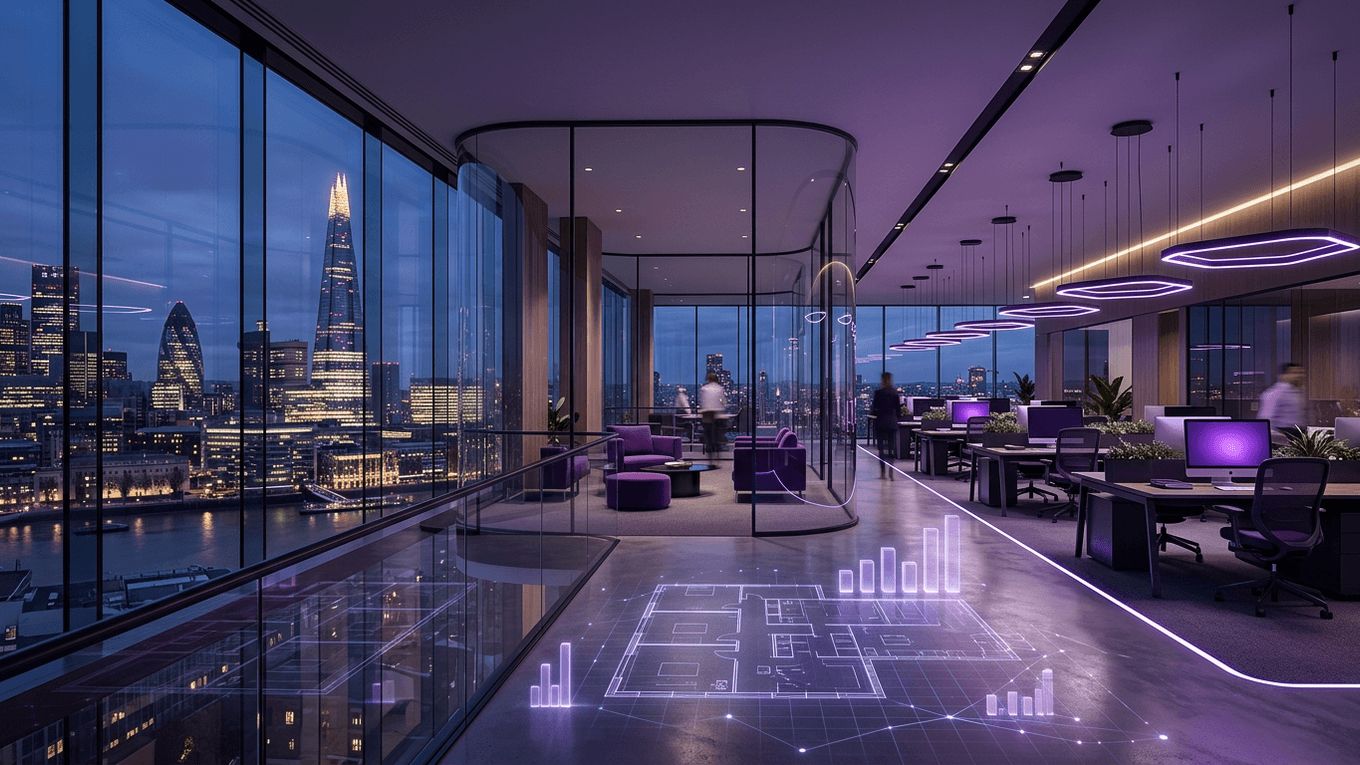
Why Interior Fitout Matters More Than Ever in London
London is one of the most competitive office markets in the world. From the glass towers of the City and Canary Wharf to converted warehouses in Shoreditch and King's Cross, businesses are under pressure to create spaces that attract talent, support hybrid working and meet demanding sustainability targets. An interior fitout is no longer just about desks and partitions. It is about brand expression, employee wellbeing, acoustic comfort, smart technology and carbon reduction.
Choosing the right fitout partner can shape how a team works for a decade. Below, we look at ten companies that consistently deliver high-quality commercial interiors across the capital, along with the qualities that make each one stand out.
1. Overbury
Overbury is one of the best-known names in UK fitout and refurbishment, with a long track record on large, complex London projects. The company is known for delivering Category A and Category B fitouts for corporate occupiers, landlords and financial institutions. Its strengths include programme management on occupied buildings, strong supply chain relationships and a focus on reducing embodied carbon through careful material selection.
2. Morgan Lovell
Morgan Lovell specialises in design and build office interiors and has built a strong reputation for workplace consultancy. Rather than starting with furniture layouts, the team typically begins by understanding how people actually work. This research-led approach makes Morgan Lovell a popular choice for organisations reshaping their offices around collaboration and flexible working patterns.
3. Modus
Modus is a London-focused workplace design and build specialist recognised for bold, characterful interiors. The company works with a broad mix of clients, from fast-growing technology firms to established professional services businesses. Modus is particularly strong at translating brand identity into physical space, using colour, texture and bespoke joinery to create memorable workplaces.
4. Peldon Rose
Peldon Rose has earned recognition for its emphasis on workplace wellbeing. The company blends design, build and consultancy services, and frequently integrates biophilic design, natural light strategies and wellness amenities into its schemes. For businesses that want their office to actively support mental and physical health, Peldon Rose is a strong contender.
5. Oktra
Oktra is a design and build company that has delivered a large number of office projects across London. It is valued for clear communication, structured project delivery and creative design teams. Oktra also offers relocation support, which helps clients that are moving premises and need a single partner to manage the entire transition.
6. ThirdWay
ThirdWay is known for imaginative, design-led interiors, often in creative and media districts such as Clerkenwell and Shoreditch. The company has a reputation for adaptive reuse projects, breathing new life into older buildings while preserving their character. ThirdWay also places notable emphasis on circular economy principles, reusing furniture and materials wherever possible.
7. Interaction
Interaction is a long-established workplace design and build specialist with strong experience in Category A refurbishments for landlords as well as bespoke Category B fitouts for occupiers. Its teams are recognised for practical, well-engineered solutions and a solid health and safety culture, which matters greatly in busy central London buildings.
8. BW: Workplace Experts
BW: Workplace Experts focuses on fitout and refurbishment for large corporate clients and has worked on many high-profile London offices. The company is often appointed for technically demanding schemes involving trading floors, data-heavy environments and phased works in live buildings. Its reputation rests on reliable delivery and attention to quality control.
9. Unispace
Unispace is a global workplace strategy, design and construction business with a significant London presence. Its integrated model suits multinational companies that want consistency across offices in different countries. Unispace brings data-driven space planning, occupancy analysis and global procurement to projects, helping organisations right-size their footprint.
10. Fourfront Group
Fourfront Group brings together several specialist fitout businesses under one umbrella, offering design, build, furniture and workplace consultancy. This breadth allows clients to access a wide range of expertise while working with a single group. Fourfront is often chosen for projects that combine office interiors with hospitality-style amenity spaces.
Key Fitout Trends Shaping London Workplaces
Several trends are reshaping how London offices are designed. Hybrid working has reduced the need for rows of assigned desks and increased demand for meeting rooms, quiet focus zones and social spaces. Sustainability is also central, with many occupiers targeting recognised environmental certifications and asking contractors to measure embodied carbon. Smart building technology, including occupancy sensors and room booking systems, is becoming standard in quality fitouts.
Another important shift is the growing popularity of Category A plus, sometimes called fitted or plug-and-play space. Landlords deliver offices that are ready to occupy, which appeals to smaller businesses that want to move quickly without managing a full fitout themselves.
How to Choose the Right Fitout Partner
Start by defining your goals clearly. Are you trying to reduce space, improve collaboration, strengthen your brand or meet sustainability commitments? Ask shortlisted companies for case studies similar in size and complexity to your project, and speak to previous clients where possible. Look closely at how each company handles cost certainty, programme risk and building management requirements, since London landlords often impose strict rules on working hours and access.
It is also worth asking about aftercare. A good fitout partner will support you after handover, resolving snagging items and helping your team adjust to the new space.
Frequently Asked Questions
What is the difference between Category A and Category B fitout? Category A is the base level of finish a landlord provides, typically including raised floors, suspended ceilings, basic lighting and air conditioning. Category B is the occupier's bespoke fitout, covering partitions, kitchens, meeting rooms, furniture, branding and technology.
How long does a London office fitout take? Smaller projects can often be completed within a few weeks, while large multi-floor headquarters may take several months. Building access rules, lead times for furniture and the approval process with the landlord all influence the programme.
Final Thoughts
London offers an exceptional pool of interior fitout talent. Whether you need a large corporate headquarters, a characterful creative studio or a wellbeing-focused workplace, the companies above represent some of the strongest options in the capital. Investing time in choosing the right partner will pay off in a workplace that people genuinely want to use.