
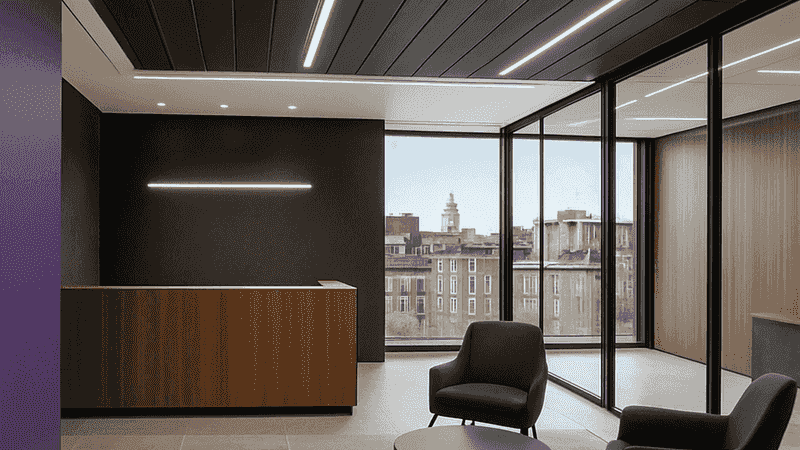
The Rise of Interior Fit-Out Services in Baltimore
Baltimore is a city where historic charm meets modern ambition. From the brick warehouses of Fells Point being converted into open-plan offices to the sleek retail interiors along Harbor East, the demand for skilled interior fit-out companies has never been higher. A fit-out transforms a bare or outdated shell into a fully functional, branded, and comfortable environment, and the businesses that do this well have become essential partners for property owners, retailers, and corporate tenants across the metro area.
Interior fit-out work covers a broad spectrum, including partitioning, ceilings, flooring, lighting, mechanical and electrical integration, joinery, and finishing. In a market as varied as Baltimore's, where you might work on a Category A base build one week and a bespoke Category B corporate suite the next, versatility is the mark of a top firm.
What Sets the Best Fit-Out Firms Apart
The strongest interior fit-out companies in Baltimore share several traits. First, they offer turnkey project management, guiding clients from initial space planning and 3D visualization through to the final handover. This single point of accountability reduces stress and keeps timelines tight. Second, they employ in-house trades or maintain a vetted network of subcontractors, ensuring consistent quality across carpentry, drywall, and finishing.
Third, leading firms understand compliance. Baltimore's building codes, ADA accessibility requirements, and fire safety regulations are non-negotiable, and experienced contractors integrate these standards seamlessly rather than treating them as afterthoughts. Finally, the best companies are transparent about budgets, providing detailed cost breakdowns and avoiding the surprise charges that erode client trust.
Popular Fit-Out Trends in the City
Sustainability is reshaping the industry. Clients increasingly request energy-efficient LED lighting, low-VOC paints, recycled materials, and layouts that maximize natural daylight. Biophilic design, which incorporates greenery and natural textures, is popular in Baltimore's tech and creative sectors, helping employers attract and retain talent.
Flexible, hybrid-ready workspaces are another major trend. Companies want movable partitions, hot-desking zones, and video-ready meeting rooms that adapt to changing team sizes. Retail and hospitality clients, meanwhile, focus on experiential interiors that create memorable customer journeys and reinforce brand identity.
Services You Can Expect
A comprehensive fit-out provider in Baltimore typically offers space planning and design consultancy, mechanical and electrical works, suspended ceilings and raised access flooring, glazed and solid partitioning, bespoke joinery and reception areas, painting and decorating, and post-completion maintenance. Many also handle furniture procurement and IT infrastructure, delivering a genuinely complete solution.
Choosing the Right Partner
When evaluating firms, review their portfolio for projects similar to yours in scale and sector. Ask about their approach to occupied fit-outs if your business must remain operational during works, since minimizing disruption requires careful phasing and after-hours scheduling. Confirm that they carry appropriate insurance and that their teams are properly licensed for electrical and mechanical work.
Communication is equally important. The best relationships are built on regular progress updates, clear documentation, and a willingness to solve problems collaboratively. A contractor who listens to your operational needs will deliver a space that supports your business for years, not just one that looks impressive on opening day.
The Value of a Quality Fit-Out
A well-executed interior fit-out is an investment that pays dividends. It improves employee productivity and wellbeing, strengthens brand perception, and can significantly increase the value and lettability of a commercial property. In a competitive Baltimore market, a thoughtfully designed and expertly built interior is often the difference between a space that merely functions and one that truly performs.
Managing Timelines and Disruption
One of the most underappreciated skills a fit-out company brings is scheduling discipline. Commercial tenants often operate under fixed lease commencement dates, and every day of delay can carry real financial consequences. The strongest Baltimore firms build detailed project programs that sequence trades logically, order long-lead materials early, and maintain buffers for inspections and unforeseen conditions. For occupied premises, they phase work in stages, perform noisy or disruptive tasks outside business hours, and keep clear access routes so daily operations continue with minimal interruption.
Effective disruption management also depends on cleanliness and site conduct. Reputable contractors contain dust, protect finished surfaces, and maintain safe walkways, treating the client's environment with respect throughout the build. This professionalism reassures staff, customers, and neighboring tenants alike, and it reflects the overall quality standard the company brings to its finishing work.
Budgeting for a Successful Project
A realistic budget is the backbone of any fit-out. Experienced companies help clients allocate funds sensibly across structural works, services, finishes, and furniture, and they flag where investment delivers the greatest long-term return. Durable flooring in high-traffic areas, quality lighting, and robust mechanical systems often justify their cost by reducing maintenance and replacement over time. A transparent contractor will present value-engineering options that trim expenses without compromising the elements that matter most to the client's brand and daily operations.
Final Thoughts
Baltimore's interior fit-out sector is rich with experienced, reliable, and creative companies. By prioritizing firms that combine transparent pricing, strong project management, regulatory expertise, and a portfolio aligned with your vision, you can transform any space into an environment that reflects your brand and empowers the people who use it every day.
Planning for a Better Service Experience
Before work begins, document your priorities, budget range, access constraints, and desired completion date. Share relevant photographs, plans, inspection reports, and product preferences so prospective providers can prepare accurate recommendations. Ask each company to define the project scope in writing, including materials, labor, permits, cleanup, payment milestones, and the process for approving changes. Comparing equally detailed proposals is more useful than choosing the lowest headline price.
Communication should remain consistent from the first visit through final review. Confirm who will supervise the work, how frequently progress updates will arrive, and what to do if an unexpected condition appears. At completion, inspect the results together, request operating or maintenance guidance, and retain contracts, warranties, receipts, and photographs. These simple steps reduce misunderstandings, protect both parties, and help Baltimore property owners receive durable value from professional services.
Questions to Ask Before Hiring
A productive first conversation should cover experience with properties like yours, current licensing and insurance, who will perform the work, and how unexpected conditions are priced. Request recent local references and examples that resemble your scope rather than relying only on broad marketing claims. Ask about lead times, material availability, site protection, disposal, and whether subcontractors will be involved. Professional providers answer directly, explain tradeoffs without pressure, and put important promises in the agreement.
Price remains important, but the best value usually combines sound diagnosis, appropriate materials, skilled execution, dependable communication, and meaningful warranty support. Review exclusions carefully and be wary of unusually large deposits or vague allowances. A measured selection process gives you a clearer understanding of what you are buying and creates a stronger foundation for successful work. It also makes final results easier to evaluate against the original written scope and expectations.