
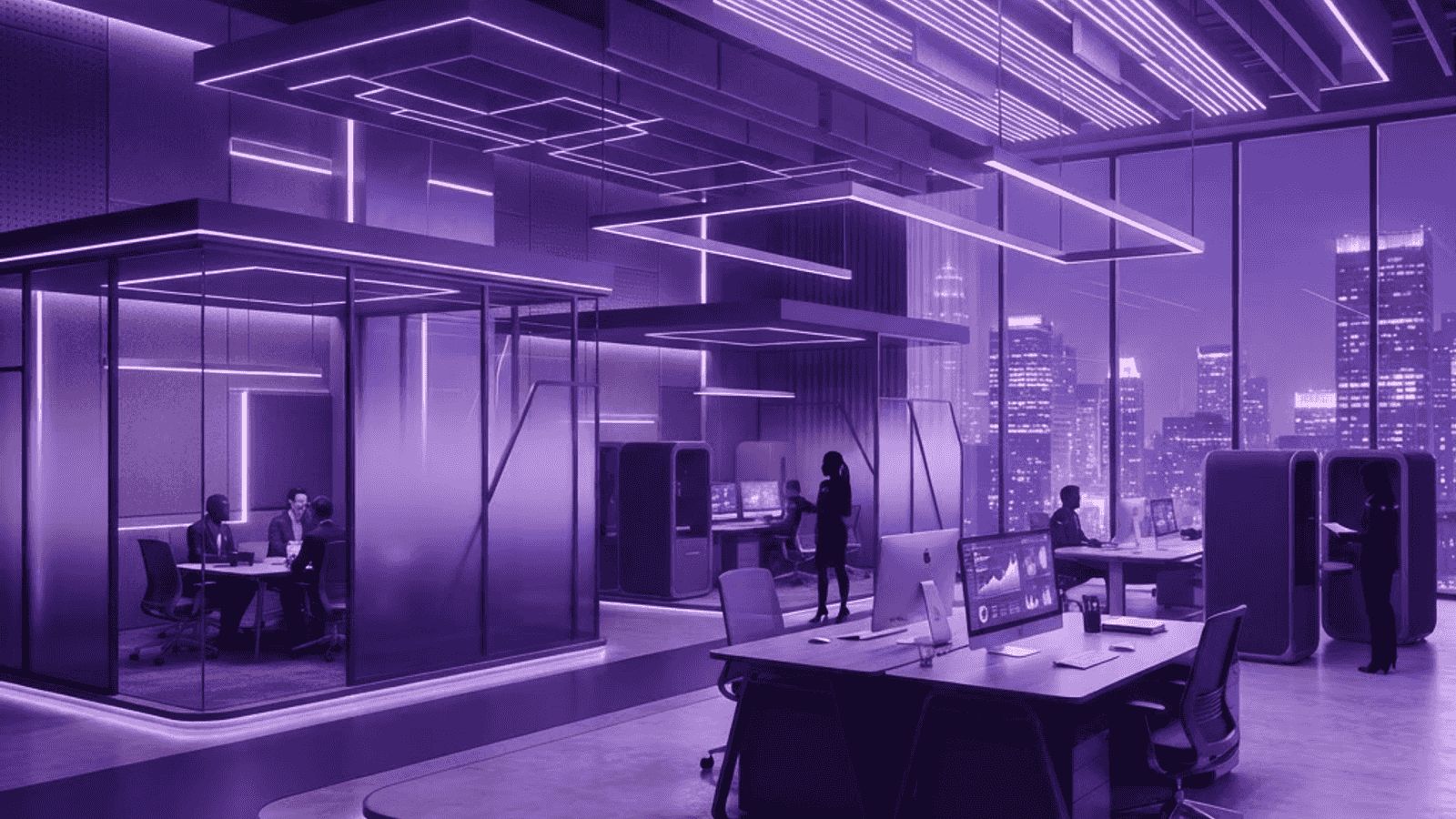
What Interior Fitout Actually Covers
Interior fitout, often called tenant improvement, is the work that makes a leased commercial space usable for a specific business. It typically includes partition framing and drywall, ceiling systems, flooring, lighting, power and data distribution, mechanical modifications, millwork, doors and hardware, painting, signage and specialty finishes. In many leases it also includes the fire sprinkler adjustments and life safety devices required by the new layout.
The discipline sits between architecture and construction. Fitout contractors must interpret design intent quickly, coordinate multiple trades within tight ceiling cavities, and finish on a schedule tied to a lease commencement date that carries real financial consequences.
Why Anaheim Is an Active Fitout Market
Anaheim's commercial inventory creates constant fitout demand. The resort and convention corridor generates restaurant, retail and hospitality buildouts. The Platinum Triangle and surrounding office parks produce corporate interior work. The Anaheim Canyon industrial zone requires office and support space within warehouse shells. Medical and dental practices continue to expand across the city, requiring specialized fitouts with strict ventilation and sanitation standards.
Each of these carries distinct compliance demands, which is why the strongest fitout companies build reputations within specific sectors rather than across all of them.
The Ten Best Interior Fitout Companies in Anaheim
1. Anaheim Interior Fitout Group delivers complete tenant improvement packages with in-house project management, drywall and finish crews, giving it strong control over the finish schedule.
2. Platinum Office Interiors specializes in corporate workspace design and construction, including open-plan conversions, glass partition systems, conference technology infrastructure and acoustic treatments.
3. Resort District Restaurant Buildouts concentrates on food service fitouts, coordinating hood and exhaust systems, grease interceptors, refrigeration, and health department inspections alongside guest-facing finishes.
4. Golden State Retail Fitout Services handles retail and showroom interiors, with expertise in display millwork, specialty lighting design and rapid schedules driven by seasonal opening dates.
5. Orange County Medical Interiors serves clinics, dental offices and outpatient facilities, addressing medical gas rough-in, lead-lined imaging rooms, specialized ventilation and cleanable surface specifications.
6. Katella Industrial Office Fitout builds offices, break rooms and mezzanines inside warehouse and manufacturing buildings, integrating with existing structure and fire protection systems.
7. Sunkist Hospitality Interiors focuses on hotel guest rooms, lobbies and amenity spaces, managing occupied-building phasing and noise restrictions to limit guest disruption.
8. Anaheim Millwork and Casework Specialists fabricates custom reception desks, cabinetry, wall paneling and fixtures, often supporting other fitout contractors as a specialty trade.
9. Precision Acoustic Interiors addresses sound control in offices, studios and clinics through isolation assemblies, absorption treatments and mechanical noise mitigation.
10. Heritage Adaptive Interiors completes the list by fitting out creative workspace within older industrial buildings, exposing structure and infrastructure as design features while meeting current code.
Landlord Coordination and Lease Realities
Fitout projects are governed as much by the lease as by the building code. Tenant improvement allowances define how much the landlord contributes and what documentation is required for reimbursement. Building rules dictate work hours, elevator use, roof access and shutdown procedures for shared systems. Base building conditions determine whether the space arrives with distributed power, ceiling grid and mechanical branches or as a bare shell.
Experienced fitout contractors read the lease work letter carefully before pricing. Misunderstanding who supplies the HVAC trunk line or the fire sprinkler drops is a common source of budget overruns that has nothing to do with construction quality.
Trends in Commercial Interiors
Hybrid work has reshaped office fitout, reducing individual desk area while expanding collaboration rooms, video-equipped meeting spaces and quiet focus pods. Wellness has become an explicit design goal, with better filtration, daylight access and biophilic elements. Flexibility is increasingly valued, favoring demountable partitions and modular power distribution that allow reconfiguration without demolition. Sustainability requirements are also tightening, with low-emission materials, high-efficiency lighting controls and waste diversion reporting requested by many corporate tenants.
Furniture, Technology and Move Coordination
A fitout is only finished when the space is usable, and the last stretch is where schedules most often slip. Furniture lead times frequently exceed construction duration, so procurement has to begin during design rather than after permits issue. Audiovisual and network infrastructure needs coordination with ceiling and wall framing, because adding a cable pathway after drywall closes is expensive and visibly compromised.
Move management deserves the same attention. Sequencing decommissioning of the old space, scheduling elevator and loading dock access, arranging data migration windows and confirming certificate of occupancy timing all determine whether staff arrive to a working office. Fitout firms that provide move coordination as a service, or work routinely with a move manager, prevent the common outcome of a beautiful space nobody can work in yet.
How to Select a Fitout Partner
Match sector experience to your use. A contractor with a strong office record may not be the right choice for a commercial kitchen. Review current backlog and confirm which superintendent will run the job. Ask for a detailed schedule with long-lead items identified, since light fixtures, glass systems and custom millwork frequently dictate the finish date.
Insist on clarity around scope boundaries: what is included, what is by landlord, what is by vendor and what is by tenant. Request a change order process in writing. Finally, ask how the contractor handles punch list and closeout, including warranties, as-built documentation and operating manuals.
A fitout that opens on time with complete documentation is worth considerably more than one that saves a few percent on contract value and delays the first day of business.