
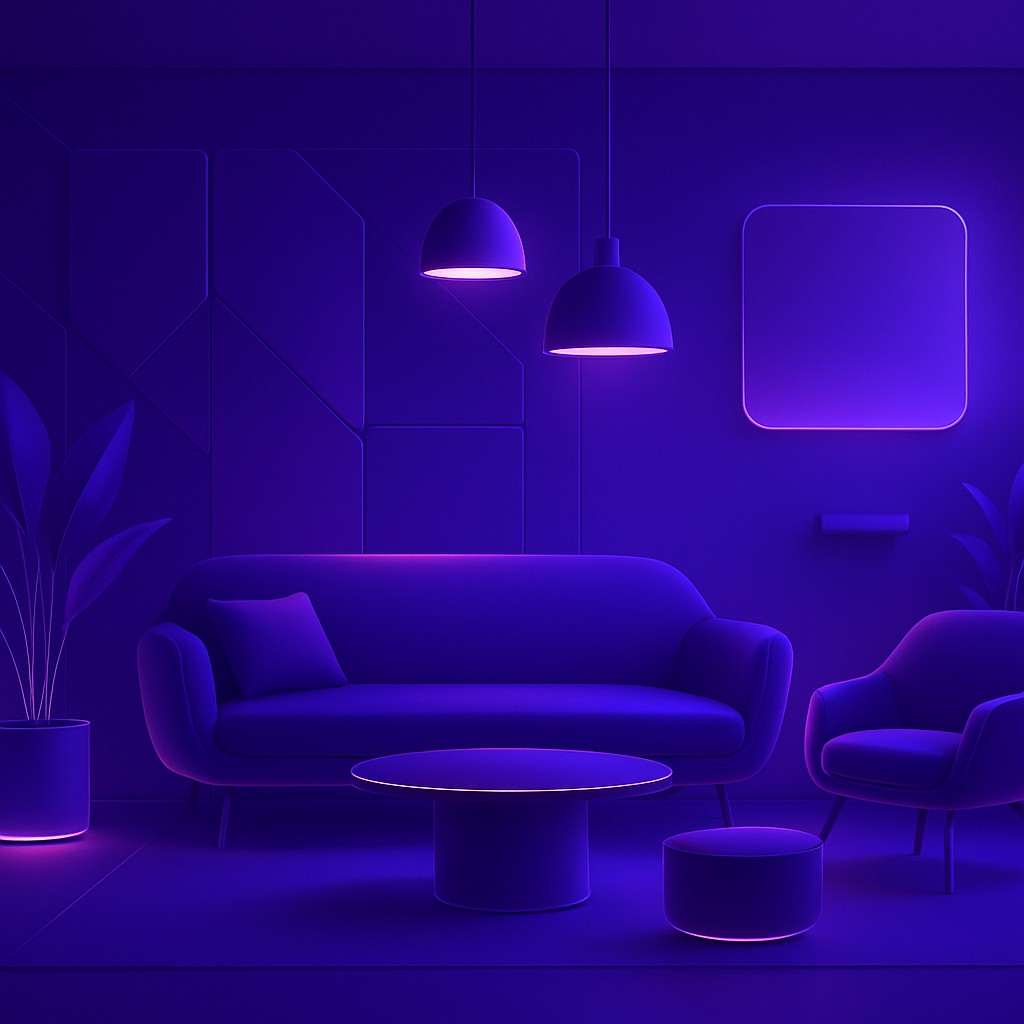
A Vibrant and Evolving Design Culture
Interior design in Romania has experienced a remarkable evolution over the past two decades. As the economy has grown and disposable incomes have risen, both private clients and businesses have placed greater value on thoughtfully designed spaces. Today, the country boasts a vibrant community of talented designers and studios who blend international trends with distinctly Romanian influences, drawing on the nation's rich architectural heritage and craft traditions.
From elegant apartments in Bucharest to boutique hotels in Transylvania and modern offices in Cluj-Napoca, Romanian interior design firms are creating spaces that are functional, beautiful, and deeply personal. This creative energy has positioned the country as an exciting destination for design innovation in Eastern Europe.
The Range of Services Offered
Romanian interior design firms typically offer comprehensive services that span the entire project lifecycle. These include initial concept development, space planning, material and finish selection, custom furniture design, lighting design, and project management. Many studios provide turnkey solutions, handling everything from the first sketch to the final styling, which is particularly appealing to busy clients who want a seamless experience.
Residential projects remain a core focus, ranging from compact city apartments to expansive countryside homes. However, commercial work has grown significantly, with firms designing offices, restaurants, retail stores, and hospitality venues. The rise of boutique hotels and stylish cafes across Romania has created strong demand for distinctive, memorable interiors.
Distinctive Romanian Design Aesthetics
One of the most appealing aspects of the Romanian design scene is its ability to balance contemporary aesthetics with cultural authenticity. Many designers incorporate traditional materials such as wood, stone, and wrought iron, alongside handcrafted textiles and ceramics produced by local artisans. This connection to heritage gives Romanian interiors a warmth and character that sets them apart.
At the same time, leading firms embrace modern principles of minimalism, functionality, and sustainability. The result is a sophisticated fusion of old and new, where clean lines and modern comforts coexist with rustic textures and artisanal details. This versatility allows Romanian designers to cater to a wide range of tastes and project types.
Prominent Studios and Their Reputation
A number of design studios have earned recognition for their creativity and professionalism. Firms such as Lemon Interior Design have built strong reputations for elegant residential and commercial projects, while studios like Nuca Studio and Bogdan Ciocodeica Studio are celebrated for their bold, innovative approaches to hospitality and retail design. Corvin Cristian is well known for distinctive restaurant and commercial interiors that have shaped the look of many beloved venues.
These firms, along with many emerging talents, have contributed to a thriving ecosystem where quality and originality are highly valued. Their work has been featured in design publications and has helped raise the profile of Romanian design both at home and abroad.
The Design Process
Working with a Romanian interior design firm usually begins with an in-depth consultation to understand the client's needs, lifestyle, and aesthetic preferences. Designers then develop concepts, mood boards, and detailed plans, often using advanced visualization tools to help clients envision the finished result. Once a design is approved, the firm coordinates contractors, suppliers, and artisans to bring the vision to life.
Strong communication and collaboration are central to a successful project. The best firms listen carefully to their clients and translate their ideas into cohesive, livable spaces. Attention to detail, from the choice of door handles to the placement of lighting, distinguishes exceptional design from the merely adequate.
Trends Influencing Romanian Interiors
Current trends in Romanian interior design reflect global movements while retaining a local flavor. Biophilic design, which incorporates plants and natural elements, is increasingly popular, as is the use of sustainable and locally sourced materials. Neutral palettes accented with rich textures and warm tones create inviting, timeless spaces.
There is also growing interest in flexible, multifunctional spaces that adapt to modern lifestyles, particularly as remote work has changed how people use their homes. Smart home technology is being integrated more seamlessly, enhancing comfort and convenience without compromising aesthetics.
Choosing the Right Designer
Selecting an interior designer in Romania should be guided by compatibility, portfolio, and trust. Prospective clients should review a firm's previous work to ensure its style aligns with their vision, and should seek out studios with a track record of reliability and quality. Clear discussions about budget, timeline, and expectations help establish a productive working relationship.
With its blend of creativity, craftsmanship, and cultural richness, Romania's interior design industry offers exceptional value and inspiration. Whether transforming a private home or a commercial venue, the country's talented firms are well equipped to create spaces that are as beautiful as they are functional, reflecting both the client's personality and the enduring spirit of Romanian design.
The Rising Profile of Romanian Design
Romanian interior design is increasingly gaining recognition on the international stage. Designers from the country have begun to participate in global exhibitions, win awards, and attract clients from abroad who appreciate their distinctive blend of craftsmanship and contemporary vision. This growing reputation is helping to nurture a new generation of designers and to elevate standards across the industry. As demand for thoughtful, sustainable, and human-centered design continues to grow worldwide, Romania's studios are well placed to make their mark, carrying forward a tradition of creativity that honors the past while boldly embracing the future.