
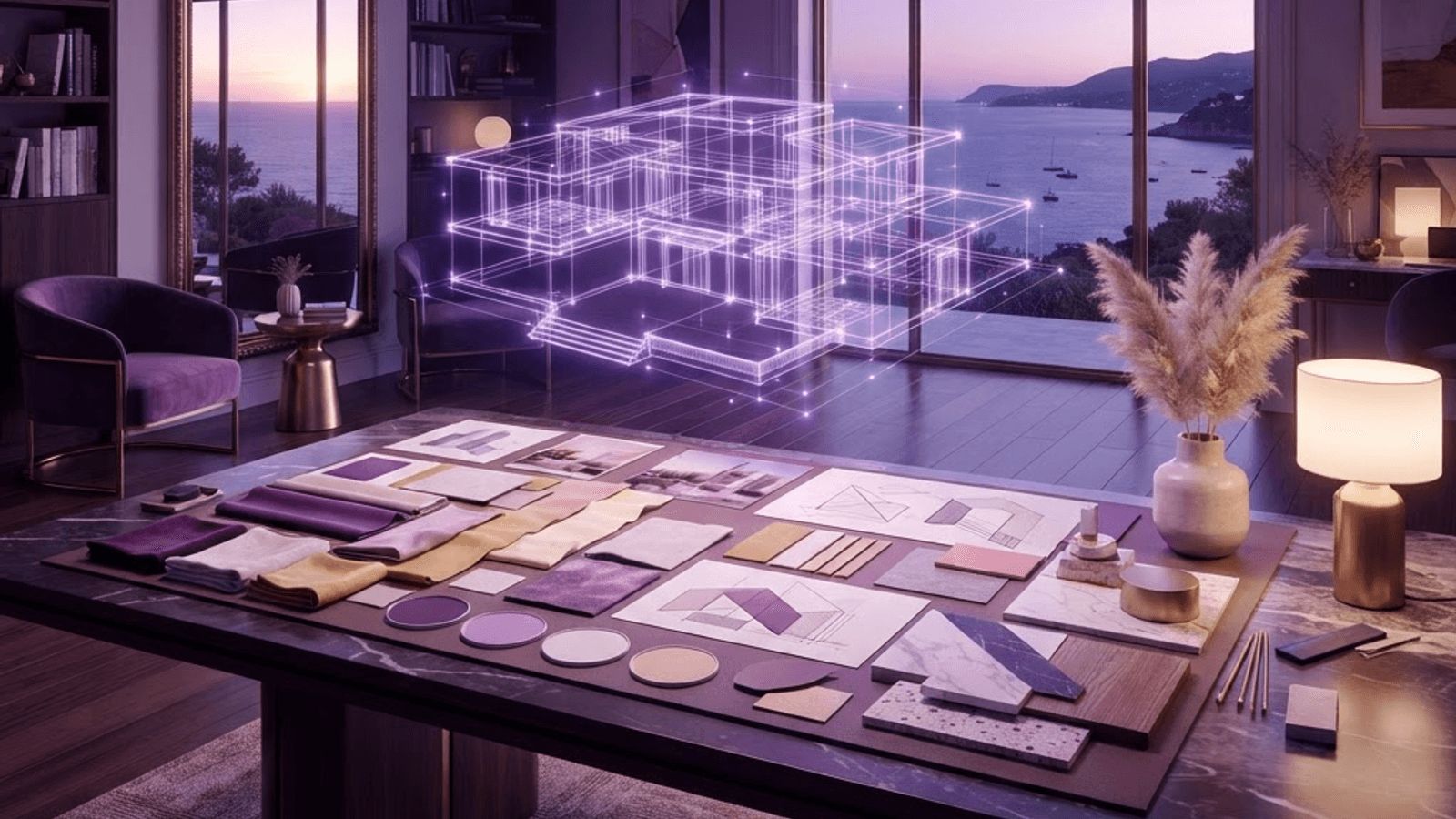
Designing for Coastal Living
Interior design in a beach city involves constraints that inland projects never face. Salt air corrodes hardware and degrades finishes. Sand travels indoors regardless of precautions. Intense natural light fades textiles and artwork. Humidity affects wood movement. Households move constantly between indoors and outdoors, which means transition spaces, storage for gear and durable flooring are functional requirements rather than afterthoughts.
Designers who work in Huntington Beach regularly have solved these problems repeatedly. They specify performance fabrics that survive wet swimsuits, marine-grade hardware that resists corrosion, flooring that tolerates sand without showing wear, and window treatments that manage glare without sacrificing views. That accumulated practical knowledge is the main reason to hire locally rather than importing a designer unfamiliar with the environment.
The Top 10 Interior Design Firms in Huntington Beach
1. Pacific Coast Interiors
A full-service residential firm known for refined coastal interiors that avoid cliché. Their process includes detailed space planning, custom millwork design and complete procurement management.
2. Surf City Design Studio
Relaxed, livable interiors for active families, with heavy emphasis on durable materials and storage solutions for boards, bikes and beach gear.
3. Harbour Waterfront Interiors
Specialists in waterfront homes, designing around views, light control and the specific maintenance realities of properties directly exposed to the elements.
4. Oceanview Luxury Design Group
High-end residential work including custom furniture design, art curation and integration with architects and builders on substantial renovations.
5. Main Street Commercial Interiors
Focused on restaurants, retail and hospitality interiors, balancing brand expression with code compliance, durability and operational workflow.
6. Goldenwest Remodel and Design
Design-build services combining interior design with construction management, streamlining kitchen and bathroom renovations under single accountability.
7. Bolsa Chica Sustainable Interiors
Emphasizing low-emission materials, responsibly sourced wood, energy-efficient lighting and furniture built for longevity rather than replacement cycles.
8. Edinger Small Space Design
Specialists in condominiums, townhomes and compact downtown units, where storage integration and spatial efficiency determine livability.
9. Beachside Staging and Design
A hybrid practice serving both homeowners and sellers, with services spanning full design and pre-sale presentation work.
10. Coastline Design Consultation
Hourly consultation for homeowners managing their own projects, providing paint palettes, furniture plans, material selections and shopping direction without full project management.
Service Models and Fee Structures
Full-service design covers concept development, space planning, material and furniture selection, procurement, installation and project oversight. It costs the most and delivers the most cohesive result with the least client effort.
E-design and consultation models provide plans and specifications while leaving purchasing and execution to the client. They suit homeowners with time, patience and moderate budgets.
Fees are typically structured as flat project fees, hourly rates, cost-plus arrangements on purchased items, or a percentage of total project cost. Each has tradeoffs. Flat fees provide budget certainty but require a clearly defined scope. Hourly billing is flexible but unpredictable. Cost-plus and percentage models can create misaligned incentives if not paired with clear budget parameters. Ask for the fee structure in writing along with an estimate of total project cost including furnishings, not just design fees.
Running a Project Well
Define the budget honestly at the outset. Designers cannot produce meaningful concepts without a number, and withholding it wastes everyone's time and generally produces proposals that need to be redone. Include a contingency of at least ten to fifteen percent for renovation projects, where concealed conditions routinely surface after demolition.
Understand the timeline. Custom furniture, upholstery and specialty materials carry lead times measured in months, and installation schedules depend on the slowest item. Projects involving construction require permitting, which adds time that no designer controls.
Communicate preferences through images rather than adjectives. Terms like modern, warm and clean mean different things to different people, while a collection of reference photographs establishes shared vocabulary immediately.
Material Choices That Last
In coastal homes, performance fabrics with solution-dyed fibers resist fading and moisture far better than conventional upholstery. Porcelain tile and engineered flooring handle sand and moisture more gracefully than solid hardwood in high-traffic transitions. Powder-coated or marine-grade stainless hardware resists corrosion that destroys standard finishes within a few years.
Window treatment selection deserves particular attention. Solar shades preserve views while cutting glare and ultraviolet exposure that fades furnishings. Layered treatments allow flexibility between daytime light management and evening privacy.
Selecting a Designer
Review portfolios for projects similar in scale, budget and style to yours, and ask specifically which elements the firm designed versus sourced. Request references from clients whose projects completed at least a year ago, since durability and post-installation support only reveal themselves over time.
Confirm whether the firm carries appropriate insurance and, for projects involving construction, how they coordinate with licensed contractors. Most importantly, evaluate communication. Design projects involve hundreds of decisions, and a designer who listens carefully and explains tradeoffs clearly will produce a better outcome than one with a more impressive portfolio but a rigid point of view.