
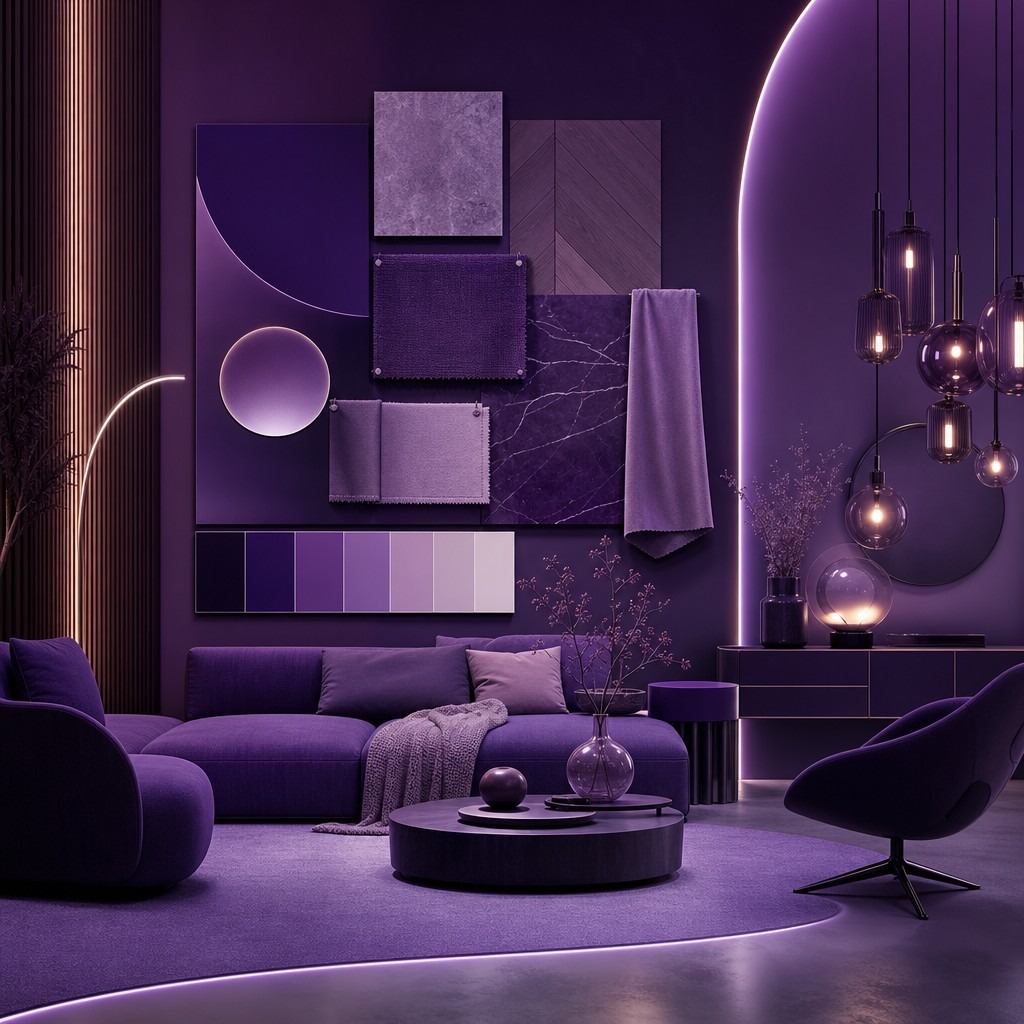
Denmark and the Art of Living Well
Few countries are as closely associated with great design as Denmark. From iconic mid-century furniture to contemporary architecture, Danish design has shaped global tastes for decades. At the heart of this reputation are the interior design firms that translate principles of simplicity, craftsmanship, and human-centred thinking into beautiful, liveable spaces.
Danish interior design is defined by more than aesthetics. It prioritises comfort, natural light, quality materials, and a deep respect for how people actually use a space. Whether designing a private home, a hospitality venue, or a corporate office, the best firms create environments that feel both effortless and deeply considered.
What Makes Danish Interior Design Special
The signature of Danish design lies in its balance. Clean lines and minimalism are softened by warmth, texture, and a sense of hygge. Neutral palettes are accented with natural wood, wool, leather, and carefully chosen lighting. Functionality is never sacrificed for style, and sustainability is increasingly woven into material choices and sourcing decisions.
The Leading Interior Design Firms
1. Space Copenhagen — Internationally acclaimed, this studio is known for its poetic, atmospheric interiors spanning restaurants, hotels, and residences. Its work blends modern elegance with timeless craftsmanship.
2. Norm Architects — Celebrated for a serene, minimalist philosophy, Norm Architects creates calm, tactile spaces that emphasise natural materials and quiet sophistication.
3. GamFratesi — A design duo whose interiors and furniture combine Italian flair with Danish restraint, resulting in spaces that feel both refined and inviting.
4. OEO Studio — Drawing on Japanese and Scandinavian influences, OEO Studio is known for thoughtful storytelling, craftsmanship, and a strong sense of identity in every project.
5. Studio David Thulstrup — Recognised for bold yet harmonious interiors, this studio balances raw materials, colour, and texture to create distinctive, memorable spaces.
6. BIG Ideas (Interior Practice) — Connected to Denmark's renowned architectural tradition, this practice brings ambitious, concept-driven thinking to interiors of all scales.
7. Vipp Interiors — Famous for its design-led approach, Vipp extends its precise, functional aesthetic from products into fully designed living environments.
8. Krøyer & Co — A residential-focused studio appreciated for warm, personalised interiors that reflect each client's lifestyle while staying true to Danish principles.
9. Frama Studio — Blending interiors, furniture, and curated objects, Frama is known for its honest materials, muted tones, and gallery-like sensibility.
10. Hein Studio — A boutique practice praised for elegant, detail-rich interiors that combine contemporary forms with a deep appreciation for craft.
Residential, Commercial, and Hospitality Expertise
The best Danish firms work across a wide range of project types. In residential design, they create homes that feel personal, functional, and serene. In hospitality, they craft immersive environments for restaurants and hotels that have helped define Copenhagen's global reputation. In commercial and workplace design, they balance brand identity, employee wellbeing, and flexibility, recognising that great workspaces support both productivity and culture.
Trends Influencing Danish Interiors
Sustainability is now central, with designers favouring durable, natural, and responsibly sourced materials. Biophilic design, which brings nature indoors through light, greenery, and organic textures, continues to grow. There is also a renewed appreciation for craftsmanship and longevity, as clients move away from disposable trends toward timeless pieces meant to last. Soft, layered lighting and flexible, multifunctional layouts reflect changing lifestyles and the blending of home and work.
Choosing the Right Design Studio
Selecting an interior design firm depends on your project type, budget, and aesthetic preferences. Some studios specialise in high-end residential work, while others excel in hospitality or commercial spaces. Review portfolios to ensure the firm's style resonates with your vision, and consider how well they listen to your needs. The best collaborations are built on trust, clear communication, and a shared appreciation for quality.
How a Design Project Unfolds
A typical interior design engagement begins with discovery, where the studio learns about the client's lifestyle, needs, budget, and aesthetic preferences. This is followed by concept development, including mood boards, material palettes, and spatial planning that establish the project's direction. Once a concept is approved, the firm produces detailed drawings, selects furniture and finishes, and coordinates with craftspeople, contractors, and suppliers to bring the vision to life.
Throughout the process, communication and project management are essential. The most respected Danish studios are known not only for their creativity but also for their professionalism, managing timelines, budgets, and installation with precision. The result is a finished space that feels cohesive, functional, and personal, reflecting both the designer's expertise and the client's individuality.
Final Thoughts
Danish interior design continues to set global standards by proving that beauty and function can coexist effortlessly. The firms highlighted here represent the breadth and depth of the country's design talent, from world-famous studios to refined boutique practices. Whatever the project, partnering with a skilled Danish design firm means investing in spaces that are timeless, comfortable, and genuinely a pleasure to inhabit.