
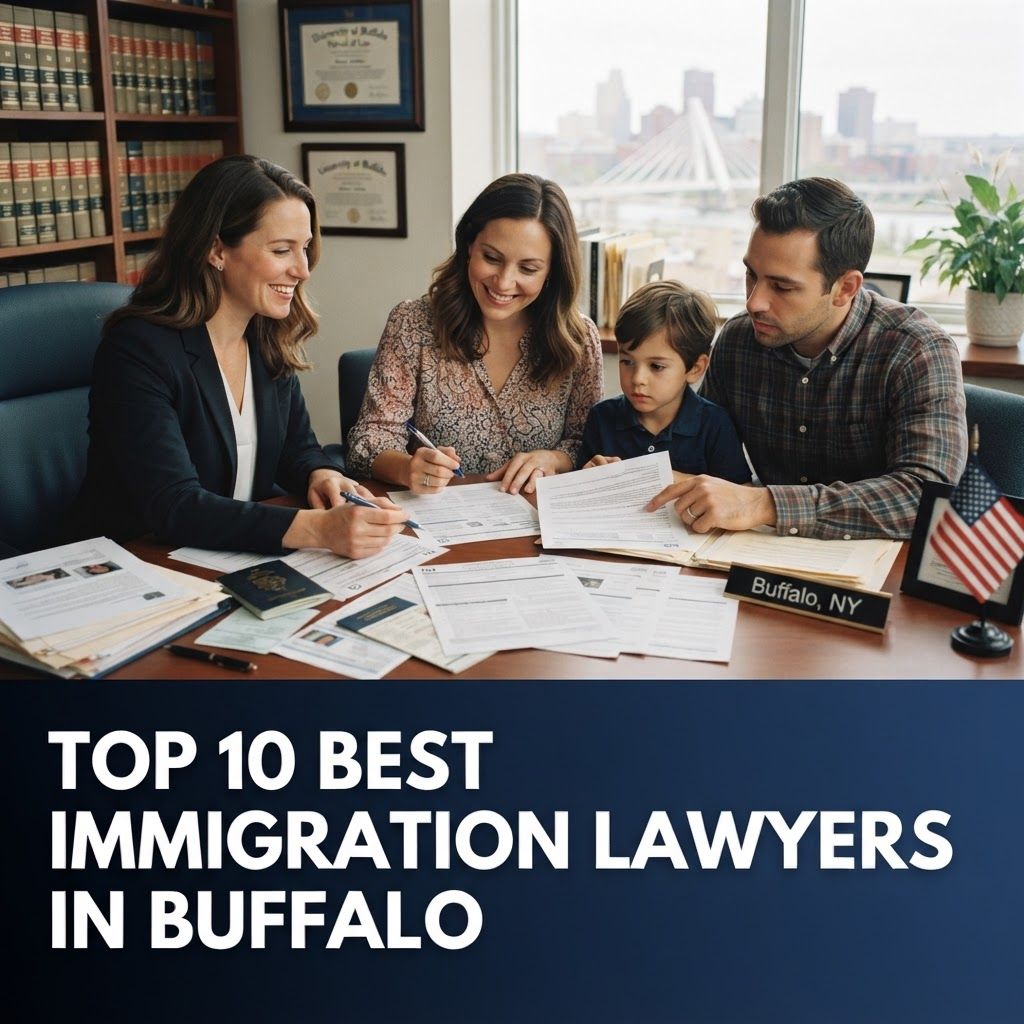
A Border City With a Distinctive Immigration Practice
Immigration law in Buffalo is shaped by geography and history in ways that make the local bar unusually experienced. The Peace Bridge and other regional crossings generate constant business and family travel between the United States and Canada. Buffalo hosts a United States Citizenship and Immigration Services field office and, historically, one of the busiest immigration courts in the country relative to the region's size. And the city has been a major refugee resettlement destination for decades, building substantial community infrastructure and legal capacity around asylum and humanitarian relief.
The practical consequence is that Buffalo attorneys handle a volume and variety of immigration matters that would ordinarily require a much larger metropolitan area, and clients across the country retain counsel here for cross-border matters specifically.
Business and Employment Immigration
Employment-based practice serves manufacturers, healthcare systems, universities, and technology companies throughout Western New York. Common matters include H-1B specialty occupation petitions with their annual cap and lottery, L-1 intracompany transfers for multinational employers, TN status under the United States-Mexico-Canada Agreement — heavily used given Canadian professional mobility — E-2 treaty investor visas, O-1 petitions for individuals with extraordinary ability, and J-1 exchange visitor programs common in academic and medical settings.
Permanent residence sponsorship involves PERM labor certification with its recruitment and prevailing wage requirements, EB-1 petitions for outstanding researchers and multinational executives, EB-2 national interest waivers, and EB-3 skilled worker categories. Physician recruitment to underserved areas, relevant given regional healthcare needs, involves specific waiver provisions for J-1 medical graduates.
Employer compliance is a related practice: I-9 verification procedures, audits by Immigration and Customs Enforcement, E-Verify obligations, and worksite enforcement defense. Employers facing an audit benefit from counsel involvement immediately rather than after responses have been submitted.
Family-Based Immigration
Family practice covers immediate relative petitions for spouses, parents, and minor children of United States citizens, preference category petitions with their extended waiting periods, adjustment of status for those eligible to process domestically, consular processing abroad, and fiancé visas.
Complications arise frequently. Waivers for unlawful presence, inadmissibility based on prior misrepresentation or criminal history, conditional residence removal for marriages under two years, and Violence Against Women Act self-petitions for abused spouses all require specialized handling. Given Buffalo's cross-border marriages, consular processing through Canadian posts is a routine part of local practice.
Asylum, Humanitarian Relief, and Removal Defense
Buffalo's refugee resettlement history means the local bar has extensive asylum experience. Affirmative asylum applications filed within one year of arrival, defensive asylum in removal proceedings, withholding of removal, and protection under the Convention Against Torture all require detailed country conditions evidence, credible testimony preparation, and often expert declarations.
Other humanitarian categories include U visas for crime victims who assist law enforcement, T visas for trafficking victims, Special Immigrant Juvenile Status for abused or abandoned children, Temporary Protected Status for nationals of designated countries, and Deferred Action for Childhood Arrivals renewals.
Removal defense encompasses bond hearings, cancellation of removal for both permanent residents and non-residents meeting specific criteria, adjustment in immigration court, appeals to the Board of Immigration Appeals, and petitions for review in the Second Circuit. Detained cases move quickly, and prompt counsel involvement materially affects outcomes.
Cross-Border and Naturalization Matters
Border-specific practice includes expedited removal challenges, admissibility waivers for Canadians with criminal records — a common issue given how minor Canadian convictions can trigger United States inadmissibility — NEXUS and trusted traveler program denials and revocations, and detention at ports of entry. Attorneys here handle these matters routinely.
Naturalization practice covers eligibility analysis, good moral character issues, English and civics testing accommodations, disability waivers, and denial appeals. Complications frequently involve past criminal history, selective service registration, tax filing obligations, or extended absences from the United States that break continuous residence.
Firms and Organizations in the Buffalo Immigration Community
Several practices are prominent regionally. Lippes Mathias LLP maintains a substantial immigration practice serving both business and individual clients, with significant cross-border capability. Serotte Law and other established Buffalo immigration firms have long histories in border and business immigration work. Hodgson Russ LLP and Phillips Lytle LLP handle business immigration alongside their corporate practices, particularly for employer clients.
Nonprofit and legal services organizations are central to the local landscape. Journey's End Refugee Services provides resettlement support and immigration legal services. The International Institute of Buffalo assists immigrants, refugees, and trafficking survivors with legal and social services. Jericho Road Community Health Center serves refugee and immigrant communities with integrated health and support services. Jewish Family Services of Western New York provides resettlement assistance. The Erie County Bar Association Volunteer Lawyers Project and law school clinical programs at the University at Buffalo School of Law supplement capacity with pro bono and clinical representation.
Westminster Economic Development Initiative supports immigrant entrepreneurs on Buffalo's West Side, and while not a legal provider, it frequently connects business owners with counsel for visa and compliance matters.
Selecting an Immigration Attorney
Verify credentials carefully. Immigration is unfortunately a field with notary and consultant fraud, and unauthorized practitioners cause serious harm. Only licensed attorneys and accredited representatives may provide immigration legal advice. Confirm attorney licensure through state bar records regardless of where the attorney is located, since immigration practice is federal and counsel need not be licensed in New York.
Match experience to your matter type. Business immigration, asylum, and removal defense are genuinely different disciplines requiring different expertise. Ask how many cases of your specific type the attorney has handled and what outcomes resulted.
Discuss fees in writing. Immigration matters are commonly flat-fee by application type, with government filing fees separate. Understand what happens if a case requires an appeal, a request for evidence response, or a refiling.
Be wary of guarantees. Immigration outcomes depend on adjudicator discretion, policy changes, and processing backlogs beyond any attorney's control. Honest counsel explains probabilities and risks rather than promising results.
Current Realities
Processing times, policy interpretation, and enforcement priorities in immigration change frequently and sometimes abruptly. Filing strategy that was optimal one year may be inadvisable the next. This volatility is the strongest argument for engaging experienced counsel rather than self-filing: attorneys who practice daily track changes that published guidance lags behind, and timing decisions often matter as much as the substance of a petition.