
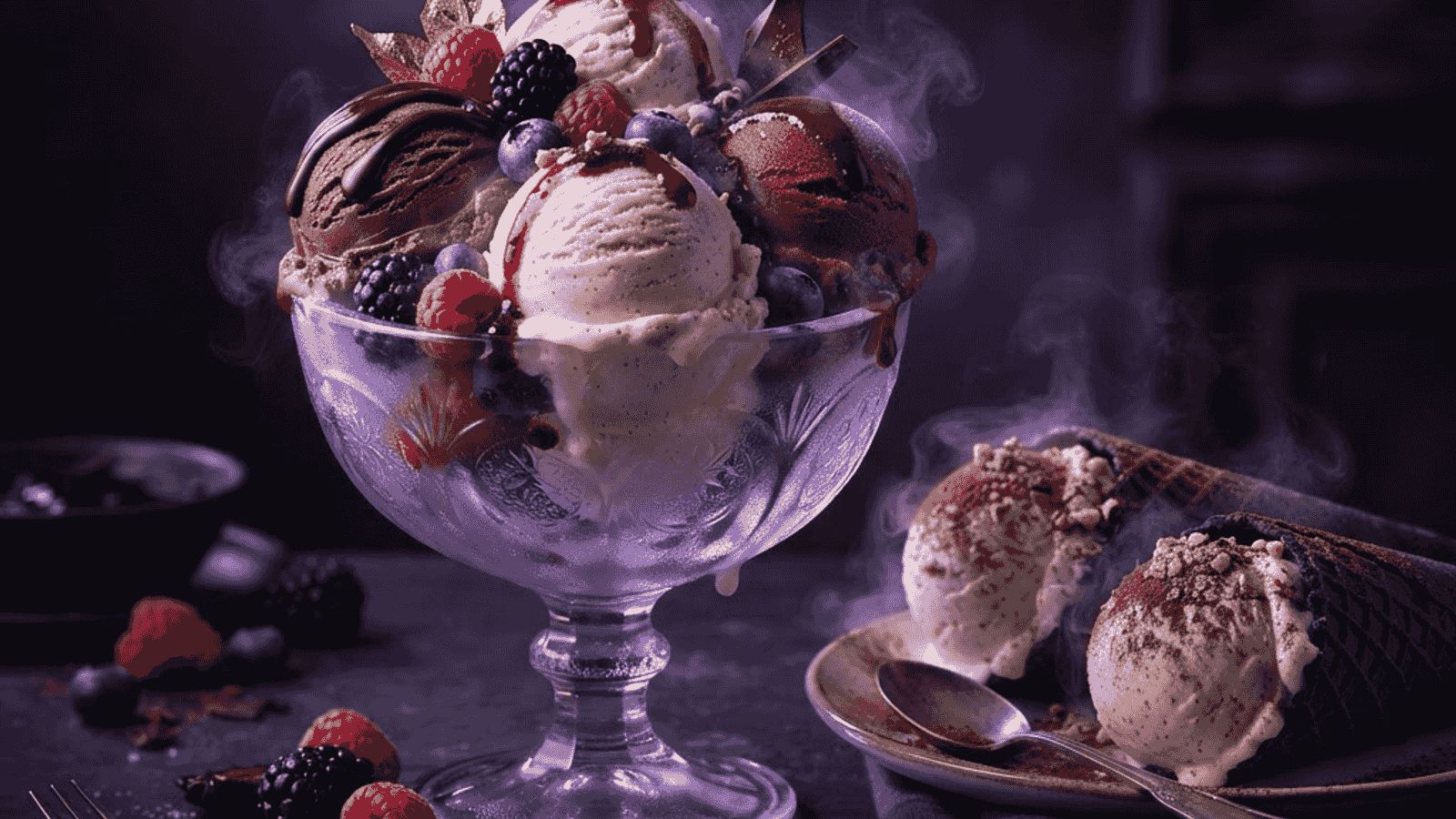
Why Lexington Does Ice Cream Well
Central Kentucky's dairy tradition gives local ice cream makers an advantage that is easy to taste. Access to fresh cream from regional herds, often delivered within a day or two of milking, produces a cleaner dairy flavor than shelf-stable industrial bases. Several Lexington brands work directly with nearby dairies, and a few operate their own herds, controlling quality from pasture to freezer case.
The city's agricultural calendar also shapes flavor development. Summer brings peaches, blackberries, and sweet corn, autumn brings apples, sorghum, and pawpaw, and the surrounding bourbon industry contributes barrel-aged notes that appear in seasonal batches. Rather than relying on artificial flavoring, the strongest local makers build menus around what is genuinely available.
Understanding What Makes Ice Cream Good
Three technical factors determine quality. Butterfat content, typically between fourteen and eighteen percent in premium ice cream, drives richness and smooth mouthfeel. Overrun, the amount of air whipped into the base, determines density. Cheap ice cream can approach one hundred percent overrun, effectively doubling volume with air, while premium small-batch products often stay between twenty and forty percent, producing a noticeably denser scoop.
Ingredient quality is the third factor and the easiest to evaluate. Read the flavor descriptions. Real vanilla bean specks, identifiable fruit pieces, and named chocolate sources indicate genuine ingredients. Stabilizer use is not inherently bad, since small amounts improve texture and prevent ice crystal formation, but long ingredient lists dominated by gums and artificial flavors signal a base built for shelf life rather than flavor.
The Leading Ice Cream Brands in Lexington
Bluegrass Creamery is the benchmark for dairy-forward small-batch ice cream, working with regional farms and producing in modest quantities with low overrun. Its bourbon vanilla, brown butter pecan, and seasonal fruit flavors demonstrate confident restraint. Texture density is immediately noticeable compared to supermarket alternatives.
Thoroughbred Frozen Custard specializes in frozen custard, which includes egg yolk in the base and is churned continuously for a dense, silky result. Fresh batches throughout the day mean product is rarely more than an hour old. Its concrete-style blended desserts have a devoted following.
Limestone Gelato Company produces gelato using traditional Italian methods, with lower butterfat, lower overrun, and warmer serving temperatures that intensify flavor perception. Pistachio, stracciatella, and fruit sorbetti are prepared daily in small quantities. Its espresso pairing service is popular in the evening.
Sunny Side Dairy Bar represents the classic Kentucky roadside dairy bar tradition, offering soft serve, dipped cones, banana splits, and hand-spun shakes. Value pricing and nostalgic appeal make it a family standard through the summer. Consistency, not novelty, is its strength.
Wildflower Scoop Shop takes an experimental approach with rotating flavors built around herbs, spices, honey varietals, and unusual pairings such as goat cheese with fig or basil with lime. Its willingness to take risks means occasional misses but frequent discoveries. Seasonal menus change every few weeks.
Cocoa and Cream Co. focuses on chocolate, sourcing single-origin cacao and building a lineup that highlights regional differences in bean flavor. Dark chocolate sorbet, milk chocolate malt, and chocolate hazelnut anchor the menu. Chocolate enthusiasts treat it as a destination.
Verde Plant-Based Frozen Desserts serves the dairy-free market with coconut, oat, and cashew bases developed specifically for texture rather than simply substituted into dairy recipes. Its production facility avoids cross contamination, which matters for guests with severe allergies. Flavor range rivals conventional shops.
Fayette Farm Creamery operates as a farm-based producer selling both on site and through regional grocers, with milk from its own herd. Traceability is complete, and its seasonal flavors follow the farm's own crop production. Farm visits during summer months add an educational dimension.
Distillery District Ice Cream Works builds bourbon barrel-aged and spirit-infused flavors alongside a traditional core lineup. Alcohol lowers freezing point, so achieving proper texture in these flavors requires real technical skill, which this shop demonstrates consistently. Adult flavor options are clearly labeled.
Nueva Nieve Paleteria completes the list with Mexican-style paletas, nieves, and aguas frescas built around fresh fruit and traditional flavors such as mango with chili, horchata, and tamarind. Bright, fruit-forward profiles offer a lighter alternative to rich dairy ice cream. Pricing is notably accessible.
Trends in Frozen Desserts
Plant-based frozen desserts have improved dramatically, with oat and cashew bases now delivering texture that closely approximates dairy. This has shifted the category from a compromise for restricted eaters to a genuine choice. Reduced-sugar and higher-protein formulations continue to expand, though texture challenges remain in that segment.
Hyper-local sourcing has become a competitive differentiator, with shops naming specific farms on menu boards. Seasonal menu rotation, once limited to summer fruit, now extends year-round with autumn spice, winter citrus, and spring herb offerings. Nostalgic formats including ice cream sandwiches, pushup pops, and dipped bars have also returned, presented with better ingredients than their inspirations.
Getting the Most From Your Visit
Ask what was churned today. Small-batch shops rotate constantly, and freshly made flavors show the best texture. Sample before committing to a large size, since most shops offer tastes willingly. If serving temperature seems too cold and flavors taste muted, let the scoop sit a minute before judging.
For transport home, request dry ice or an insulated bag on warm days, and expect texture to change slightly after refreezing. Store pints at the back of your freezer rather than the door, and press plastic wrap against the surface to limit ice crystals. These small habits preserve the quality that Lexington's better creameries work hard to achieve.