
Climate Control in a Four-Season City
Few American cities ask more of an HVAC system than Grand Rapids. Winters bring extended sub-freezing periods where heating runs nearly continuously for months. Summers turn humid enough that dehumidification matters as much as temperature. Shoulder seasons swing thirty degrees in a day. A system sized or installed incorrectly reveals its flaws immediately in this climate, through uneven temperatures, short cycling, high bills, or humidity problems.
Equipment technology has also changed faster in the last decade than in the previous three. Cold-climate heat pumps now perform effectively at temperatures once considered impossible, variable-speed compressors and blowers deliver far better comfort than single-stage equipment, and smart controls enable zoning and monitoring that were previously commercial-only features. Choosing well requires a contractor who understands both the technology and the local load profile.
The Ten HVAC Service Categories
1. Furnace Installation and Repair Specialists
High-efficiency condensing gas furnaces remain the most common heating solution in the region. Quality installation involves correct sizing based on a load calculation, proper venting and condensate management, combustion air provision, and commissioning that verifies gas pressure and temperature rise rather than simply confirming the unit runs.
2. Air Conditioning Installation and Service
Summer humidity makes cooling performance about moisture removal as much as temperature. Oversized air conditioners cool quickly but short cycle, leaving air clammy. Right-sized systems with proper airflow and refrigerant charge run longer at lower capacity and dehumidify effectively.
3. Heat Pump Specialists
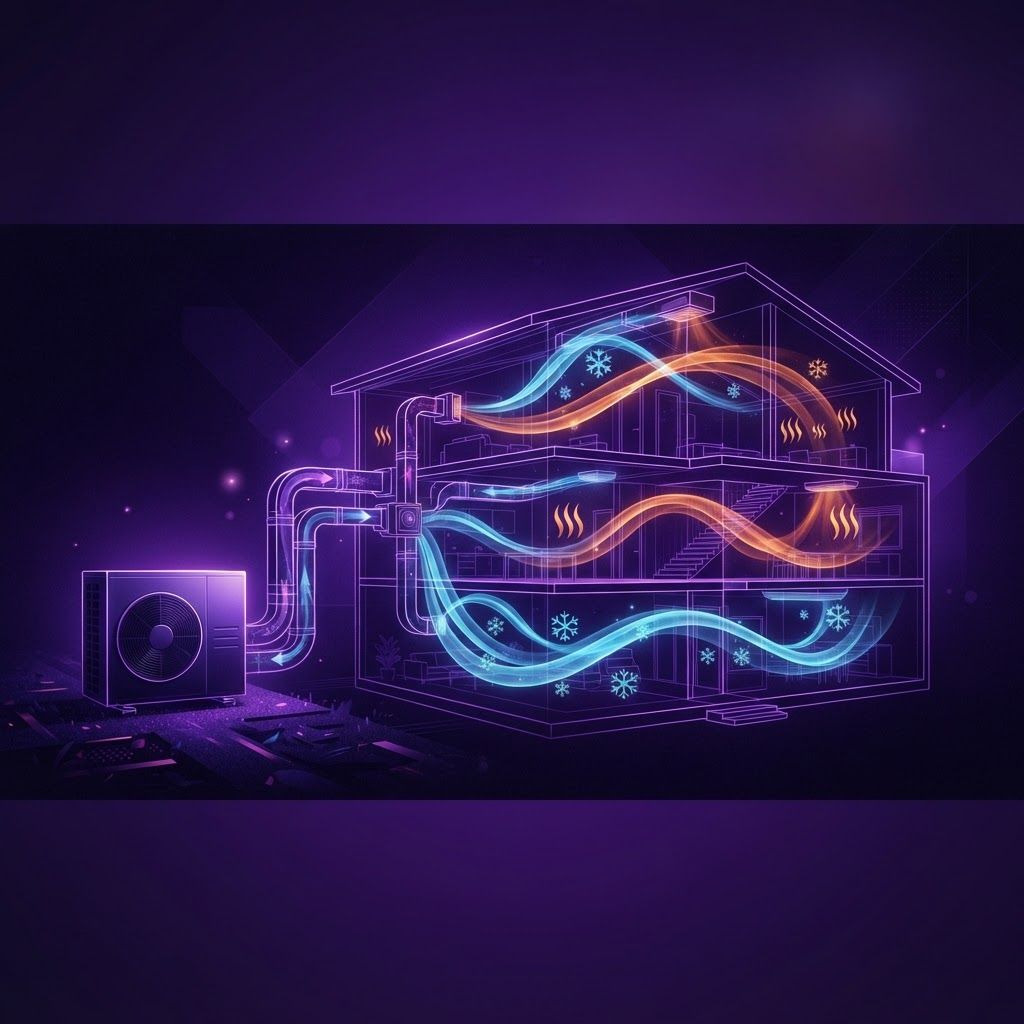
Cold-climate heat pumps have become genuinely viable in Michigan and represent the fastest-growing category. Specialists design dual-fuel configurations that pair a heat pump with a gas furnace for the coldest hours, or all-electric systems with properly sized backup. Correct control strategy determines whether operating costs actually drop.
4. Ductless Mini-Split Installers
Ductless systems solve difficult problems in older Grand Rapids homes: additions without ductwork, finished attics, converted basements, and rooms that never heated or cooled properly. Multi-zone systems allow room-by-room control, and modern inverter units are quiet and efficient.
5. Commercial HVAC Contractors
Commercial providers handle rooftop units, chillers, boilers, variable refrigerant flow systems, and building automation controls for offices, retail, healthcare, and industrial facilities. Preventive maintenance contracts are standard because unplanned failures interrupt business operations directly.
6. Boiler and Radiant Heating Specialists
Many historic Grand Rapids homes have hydronic heating, and radiant floor systems are popular in new construction. Boiler specialists service and replace cast iron and condensing boilers, balance distribution, install zone valves and circulators, and design radiant layouts that deliver even, comfortable heat.
7. Indoor Air Quality and Ventilation Providers
Tight modern homes need deliberate ventilation. IAQ specialists install heat recovery and energy recovery ventilators, high-MERV filtration, whole-home humidifiers for dry winter air, dehumidification for humid summers, and air purification systems. In a climate where homes are sealed for months, this work has real health relevance.
8. Ductwork Design, Sealing, and Testing Services
Duct problems undermine even excellent equipment. Specialists perform static pressure testing, seal leakage, resize undersized returns, and rebalance systems. Leaky ducts in unconditioned basements and attics can waste a substantial fraction of delivered heating energy.
9. Geothermal Heat Pump Contractors
Ground-source systems suit properties with adequate land and owners planning long ownership horizons. Contractors design vertical or horizontal loop fields based on soil conditions and heating load, and the resulting systems deliver very low operating costs with long equipment life.
10. Emergency HVAC Service and Maintenance Programs
Heating failures during a January cold snap are urgent safety issues. Companies offering twenty-four-hour service with stocked trucks and maintenance plan priority provide meaningful protection. Annual maintenance also preserves manufacturer warranty coverage on most equipment.
Sizing, Efficiency, and Installation Quality
Insist on a room-by-room load calculation rather than replacement based on the old unit's capacity. Homes that have added insulation or replaced windows often need smaller equipment than they previously had, and installing the same size perpetuates comfort problems.
Efficiency ratings matter, but installation quality matters more. A high-efficiency system with poor airflow, incorrect charge, or leaky ducts will underperform a modest system installed correctly. Ask what commissioning measurements the contractor documents at startup.
Consider total cost of ownership. Higher-efficiency and variable-speed equipment costs more upfront but reduces operating cost over a fifteen to twenty year life in a climate with long heating seasons. Utility rebates and available incentives can meaningfully change the calculation, and good contractors help identify them.
Seasonal Maintenance That Pays Off
Service heating equipment in early fall and cooling equipment in spring, before peak demand fills contractor schedules. Change filters on the manufacturer's schedule, more often in homes with pets. Keep outdoor units clear of vegetation and, in winter, of snow and ice accumulation, particularly around heat pump bases where drainage matters. Verify condensate drains are clear to prevent water damage and shutdowns.
Final Thoughts
HVAC in Grand Rapids is where comfort, energy cost, and indoor air quality intersect. Whether the right solution is a high-efficiency furnace, a cold-climate heat pump, ductless zoning, or a hydronic system, prioritize proper load calculation, duct performance, and documented commissioning over headline efficiency numbers. Choose a licensed contractor who measures rather than estimates, and the system will deliver comfort through the full range of West Michigan weather.