
The Shape of Chattanooga's Hotel Market
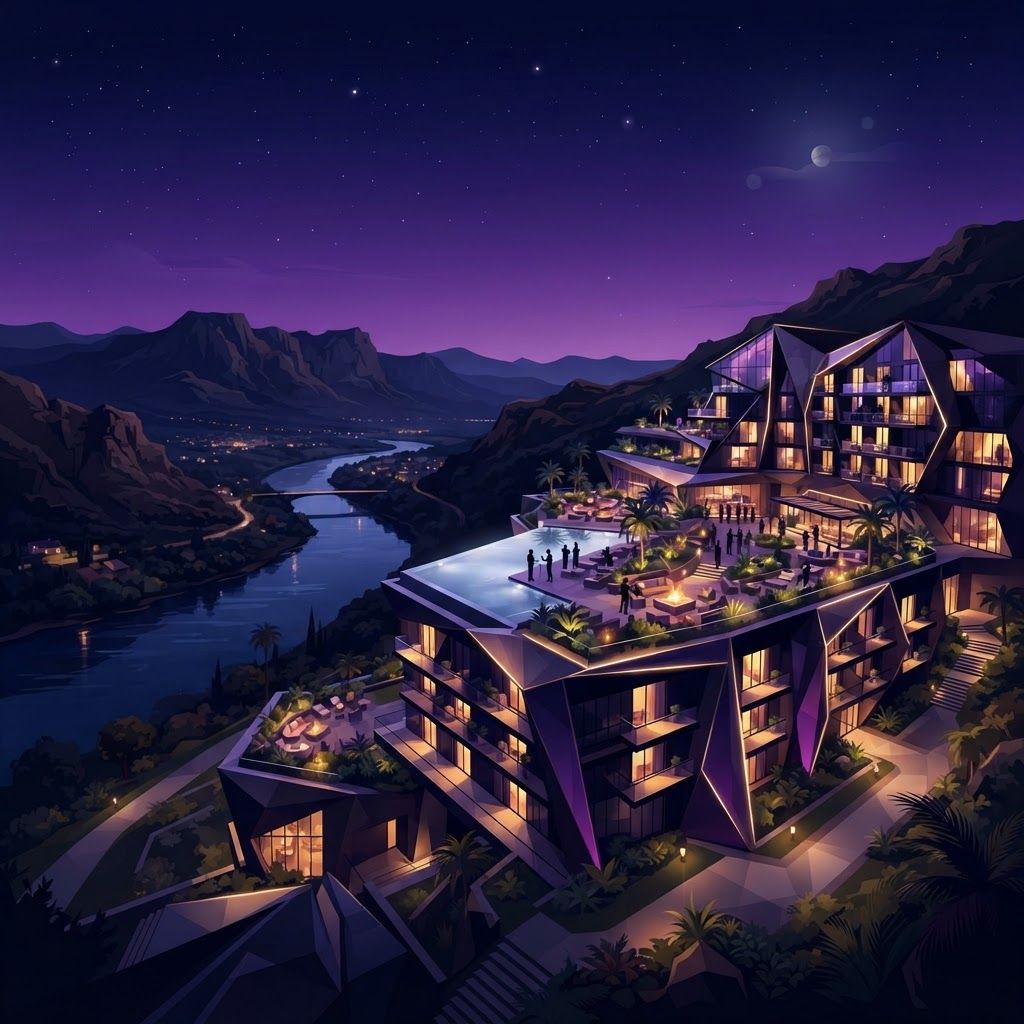
Chattanooga's lodging scene reflects the city's larger story: a former industrial center that reinvented itself around the river, the outdoors and design-led hospitality. The result is a hotel market with far more character than a city of this size would normally support. Nineteenth-century railroad buildings, mid-century warehouses and a former hospital have all been converted into hotels, sitting alongside conventional business properties and mountain lodges.
Geography does most of the sorting. Downtown and the Riverfront put guests within walking distance of the Tennessee Aquarium, Walnut Street Bridge and the main restaurant corridor. The Southside offers converted industrial buildings and the city's densest concentration of independent dining. The North Shore trades some walkability for a quieter, more residential feel. Lookout Mountain and Signal Mountain are scenic but require a vehicle for everything.
What Actually Drives Value in This Market
Location is the dominant variable. A moderately priced downtown room that eliminates parking fees and rideshare costs often delivers better total value than a cheaper suburban room near the interstate. Parking itself deserves scrutiny, because downtown properties commonly charge for valet or garage access, and that charge can add meaningfully to a multi-night stay.
Beyond location, the differentiators are breakfast quality, on-site dining, fitness and pool facilities, meeting space for business travelers and, increasingly, pet policies. Historic conversions often have irregular room layouts, so travelers who need consistency should confirm room type specifics rather than relying on a category name.
Ten Hotels Worth Knowing
The Read House is the city's grande dame, a historic downtown hotel with a restored lobby, classic bar and a long civic history. It suits travelers who want a sense of place and a central location within walking distance of most downtown attractions.
The Edwin Hotel occupies a prime position near the Walnut Street Bridge with a rooftop bar overlooking the river and the mountains. It is the strongest choice for guests prioritizing views and a boutique, design-forward experience.
The Dwell Hotel is a small, highly stylized property with individually designed rooms and a distinctive mid-century aesthetic. Its scale means personal service, and its downtown location keeps it convenient.
The Chattanoogan Hotel functions as the city's primary conference-adjacent property, with substantial meeting space, a spa and an on-site restaurant. Business travelers and event groups gravitate here for the infrastructure.
Westin Chattanooga brings a full-service upscale brand experience to downtown, with a rooftop pool and bar, reliable fitness facilities and the consistency that loyalty program members expect.
Moxy Chattanooga Downtown targets younger travelers with compact rooms, a social lobby-bar concept and an emphasis on shared space over in-room square footage. Pricing is generally competitive for the location.
Hotel Bo sits on the Southside and leans into the neighborhood's warehouse-district character, offering a more independent feel with easy access to the Main Street restaurant corridor.
Kinley Chattanooga Southside is another Southside option, built around the same design-hotel logic with a courtyard, bar and proximity to the district's dining and music venues.
Hilton Garden Inn Chattanooga Downtown represents the dependable upper-midscale tier: predictable rooms, on-site breakfast, a fitness center and central positioning. It is the practical default for travelers who value certainty.
Chanticleer Inn Bed and Breakfast on Lookout Mountain closes out the list as the small-property alternative, offering stone cottages, gardens and a quiet setting a short drive above the city.
Choosing a Neighborhood
Travelers visiting for the aquarium, the bridges and the riverfront should stay downtown and plan to walk. Those coming primarily for food, music and independent retail will get more out of the Southside. Visitors focused on hiking, climbing and mountain attractions may prefer Lookout Mountain despite the driving, because early trail access is easier and the evening atmosphere is quieter.
Business travelers should weigh meeting space and airport access. Lovell Field is close to downtown by the standards of most American cities, so the airport-hotel compromise that makes sense elsewhere is rarely necessary here.
Seasonality and Rate Patterns
Rates peak in autumn, when foliage and stable weather draw the largest leisure volume, and again during summer family travel. Spring is strong but slightly softer. Winter offers the best rates and the easiest availability, and it is the right season for travelers who care more about the museums, restaurants and historic properties than about outdoor conditions.
Event weekends distort pricing sharply. Endurance races, festivals and regional sporting events can double rates and eliminate availability across the entire downtown core. Checking the city's event calendar before locking in travel dates is the single highest-return piece of planning a visitor can do.
Trends Reshaping Chattanooga Hospitality
Adaptive reuse remains the defining trend. Developers continue converting historic industrial and institutional buildings rather than building new, which preserves the streetscape and produces hotels with genuinely distinctive interiors. Rooftop bars have become close to mandatory for new upscale properties, driven by the city's mountain-and-river sightlines.
Sustainability has also moved from marketing language to operational practice, with properties adopting water reduction programs, waste diversion and energy efficiency retrofits. Finally, the line between hotel and neighborhood amenity has blurred; several properties now generate significant revenue from locals using their bars, restaurants and coworking-style lobbies.
Practical Booking Advice
Book autumn stays at least two months ahead. Confirm parking arrangements and daily rates in writing before arrival. If you are traveling with a car and staying downtown, ask whether in-and-out privileges are included, because they often are not. For historic properties, request specifics about room configuration, elevator access and noise exposure, since conversions vary widely from room to room.
Above all, match the property to the trip. Chattanooga is small enough that no hotel is genuinely far from anything, but the difference between waking up on the riverfront and waking up on a mountainside changes the character of a visit entirely.