
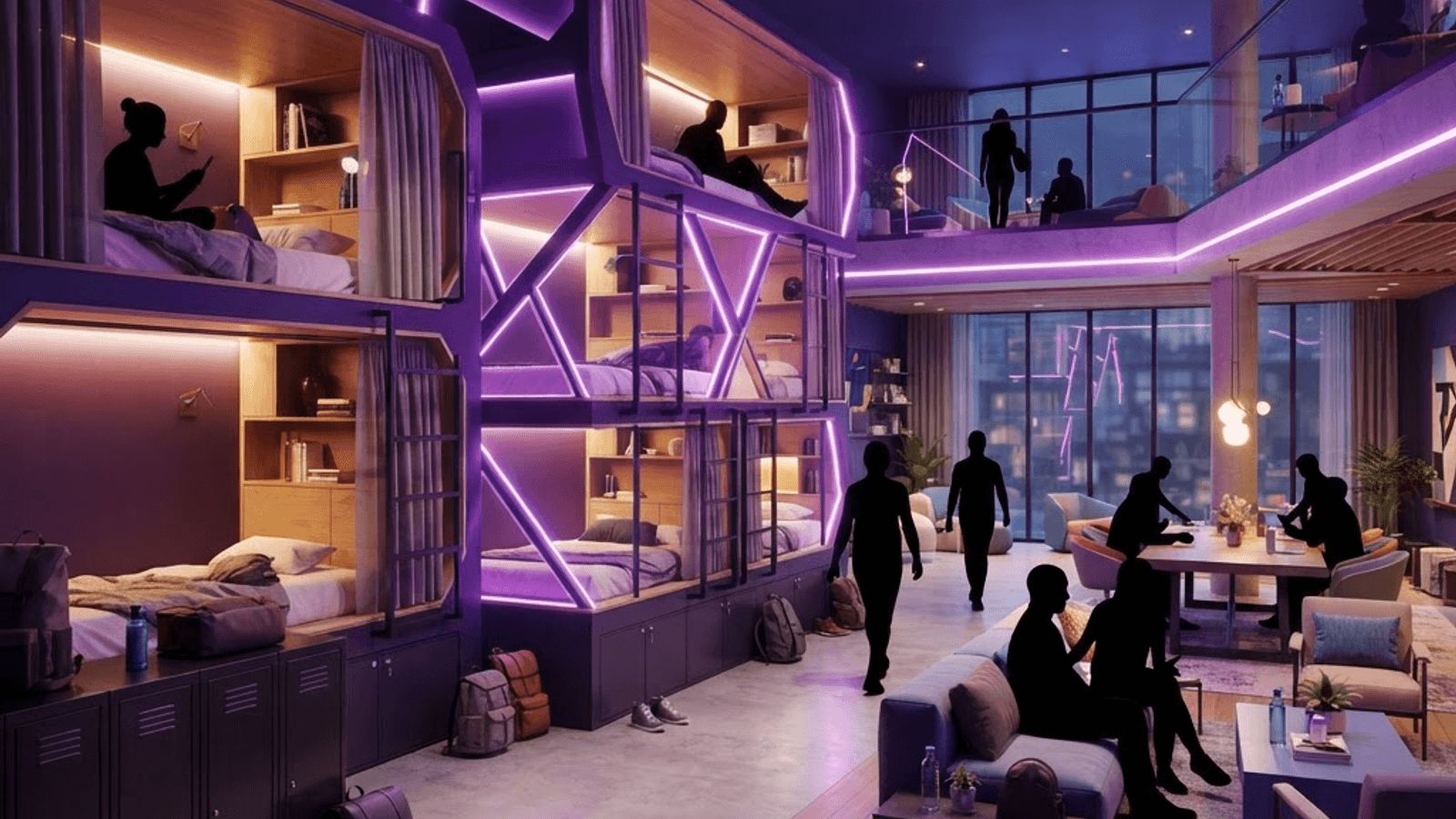
The Reality of Hostel Travel in Suburban Kansas
It is worth being straightforward: Overland Park is not a classic hostel market. Dormitory-style lodging clusters in dense urban cores, university districts, and international backpacker routes, and Overland Park is a prosperous, car-oriented suburb with a hotel market built around corporate and youth sports demand. Travelers searching for a bunk bed within city limits will find limited dedicated inventory.
That does not mean budget and community-oriented lodging is unavailable. The Kansas City metro has genuine hostel product a short drive north, along with a growing category of hostel alternatives: micro-hotels, extended-stay properties with kitchens, university housing programs, and co-living arrangements. For students, cyclists on cross-country routes, tournament families economizing, and long-stay workers, these options deliver most of what a hostel offers.
The Top 10 Hostel and Budget-Community Options
1. Kansas City Hostel
The metro's best-known dedicated hostel, located in the historic Westport district roughly twenty minutes north of Overland Park. Offers mixed and single-gender dormitories, a handful of private rooms, a communal kitchen, and shared lounge space. Walkable nightlife and public transit access make it the closest thing to a traditional backpacker base in the region.
2. Fountain City Hostel
A small, independently run hostel-style guesthouse serving budget travelers in the central city. Emphasizes shared common areas, self-catering facilities, and long-stay weekly rates. Popular with musicians, seasonal workers, and travelers passing through on regional routes.
3. Crossroads Backpackers Lodge
Community lodging in the Crossroads Arts District, oriented toward creative travelers and event attendees. Combines dorm bunks with private micro-rooms and hosts informal social programming, which suits solo travelers looking to meet people.
4. Johnson County Extended Stay Residences
Not a hostel, but a practical substitute within Overland Park itself. Weekly and monthly rate structures, full kitchens, and on-site laundry deliver hostel-like economics for stays longer than a week, particularly when travel companions share a suite.
5. University Guest Housing Programs
Several area institutions release residence hall space to visiting students, conference attendees, and summer program participants. Rates are typically well below hotel pricing, and the shared-bath, shared-kitchen format closely mirrors hostel living. Availability is seasonal and application-based.
6. Trailside Cyclist Lodging
Aimed at riders using the region's growing rail-trail and long-distance cycling network. Provides bunk accommodation, secure bike storage, tool access, and laundry. A meaningful resource for cross-country cyclists routing through eastern Kansas.
7. Prairie Commons Co-Living
A co-living operator offering furnished private bedrooms in shared homes with communal kitchens and living areas, available on flexible monthly terms. Well suited to interns, contract professionals, and relocating workers who want community and low cost without a year-long lease.
8. Metro Micro-Hotel Suites
A compact-room concept delivering small private rooms at rates closer to hostel pricing, with shared lounges and self-service amenities. Appeals to travelers who want privacy and security but do not need square footage.
9. Faith Community Hospitality Houses
Several congregations and nonprofit organizations in the metro operate low-cost hospitality housing for families of hospital patients, mission groups, and volunteers. Eligibility varies and advance arrangement is required, but rates are minimal and the environment is supportive.
10. Regional Campground Cabins and Lodges
Within a short drive of Overland Park, several parks and campgrounds offer simple cabins and bunkhouse-style lodging at very low nightly rates. Ideal in warmer months for travelers comfortable with basic facilities and a rural setting.
What to Verify Before Booking Budget Lodging
Because this category is less standardized than hotels, due diligence matters. Confirm exactly what is shared and what is private: bathrooms, kitchen, lockers, and linens. Ask about security arrangements, including keycard access, individual lockers, and overnight staffing. Check age restrictions, since some hostels limit guests to travelers within certain age ranges or require identification.
Review cancellation policies carefully, as small operators often enforce stricter terms than chains. If you plan to work remotely, test expectations around internet reliability and quiet hours. Finally, confirm parking, which is essential in a metro area where most attractions require a vehicle.
Getting Around Without a Car
Overland Park is designed around driving, and that shapes budget travel. Regional bus service connects parts of Johnson County to downtown Kansas City, but headways are long and coverage is limited compared with major cities. Rideshare is widely available and reasonably priced. Cyclists will find good dedicated trail infrastructure but limited protected on-street routes.
Travelers relying entirely on transit will generally have a better experience basing themselves in central Kansas City near hostel inventory and making day trips south, rather than the reverse.
Final Thoughts
Genuine hostels are concentrated in central Kansas City rather than Overland Park itself, but budget travelers have real options: dedicated hostels twenty minutes north, extended-stay suites with kitchens inside the city, seasonal university housing, co-living rooms, and simple cabins nearby. Decide whether community or convenience matters more, verify shared facilities before booking, and plan transportation deliberately. Affordable, sociable lodging in the Kansas City area is entirely achievable with a little flexibility.