
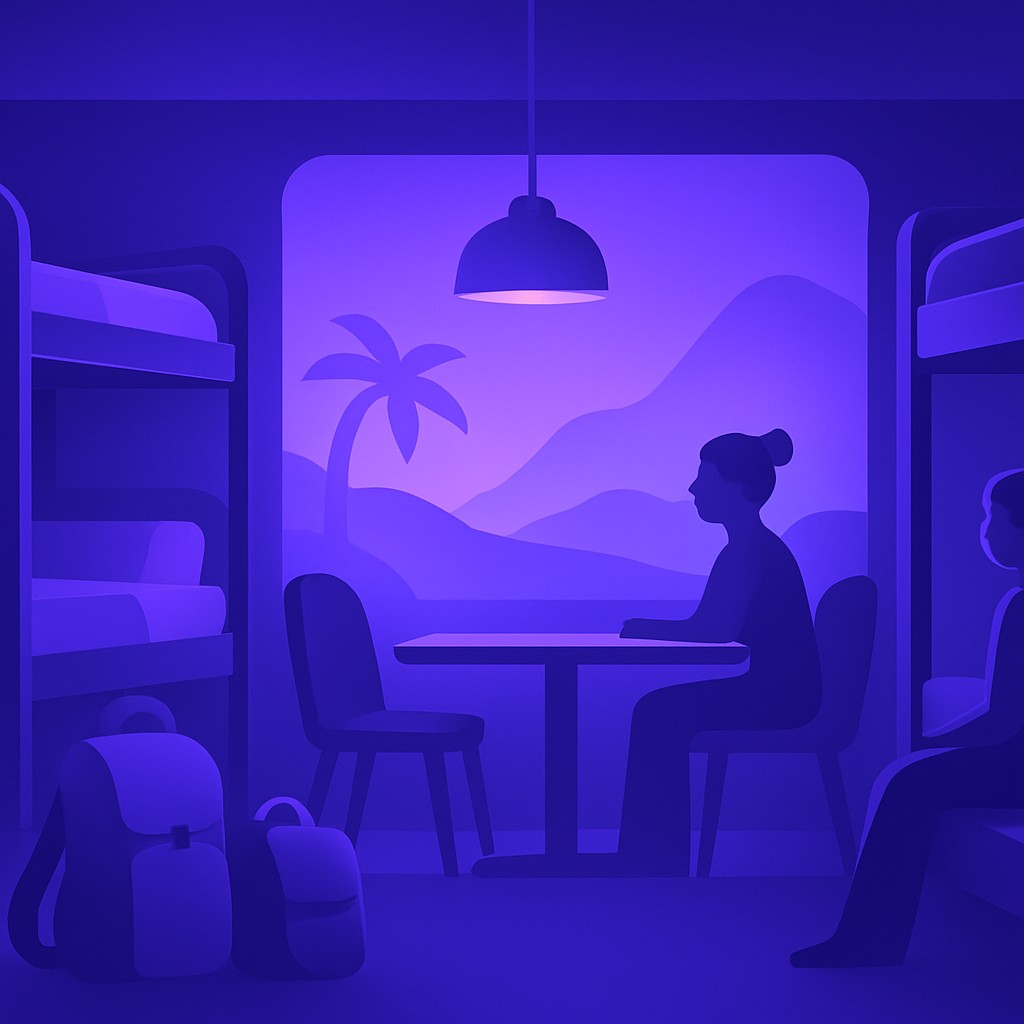
The Rise of Hostel Culture in Cameroon
As more independent travelers, students, and backpackers discover Cameroon, the demand for affordable and sociable accommodation has grown steadily. Hostels fill an important gap between budget hotels and informal lodging, offering clean dormitory or private rooms, communal spaces, and a friendly atmosphere where guests can connect. In a country known for its diverse landscapes and warm hospitality, hostels provide an accessible gateway to authentic local experiences.
While Cameroon's hostel scene is younger than those of major tourist hubs elsewhere, it is maturing quickly. Properties in cities such as Douala, Yaoundé, Buea, and Limbe increasingly cater to a mix of international visitors, volunteers, and domestic travelers seeking value without sacrificing comfort or safety.
Top Hostels and Budget Stays
Foyer du Marin in Douala is a well-known favorite among travelers, offering simple, secure rooms, a relaxed garden setting, and a popular on-site eatery. Its central location and reliable reputation make it a dependable base for exploring the economic capital.
Presbyterian Church Guest House properties in cities like Buea and Bamenda provide clean, affordable accommodation in safe environments, often favored by volunteers, missionaries, and budget-minded travelers who value tranquility.
Mountain Hotel Backpacker Wing in Buea appeals to those drawn by Mount Cameroon, offering economical lodging with easy access to hiking routes and the cool highland climate.
Saker Junction Lodge in Limbe gives beach-bound travelers a low-cost option near the coast, combining a sociable vibe with proximity to the town's black-sand beaches.
Yaoundé Backpackers Hub caters to visitors in the capital with shared dormitories, communal kitchens, and helpful staff who assist with local tips and onward travel arrangements.
More Welcoming Budget Options
Chariot Hotel Annex in Bamenda offers value-oriented rooms in the northwest highlands, ideal for travelers exploring the region's scenery and culture.
Kribi Beach Guesthouse provides affordable seaside lodging for those wanting to enjoy Kribi's famous coastline without premium resort pricing.
Mansel Hotel Budget Rooms in Limbe blend convenience and affordability, serving as a practical option for short stays and weekend trips.
Prescraft Guest Accommodation near Bamenda supports community tourism while offering simple, welcoming rooms to budget travelers interested in local crafts and traditions.
Eco Lodge Volunteers House in the southwest region caters to volunteers and eco-conscious travelers, emphasizing community engagement and sustainable, low-impact stays.
What Makes a Great Hostel
The best hostels in Cameroon share several qualities: cleanliness, security, friendly and knowledgeable staff, and comfortable common areas that encourage interaction. Reliable water and power, secure storage for belongings, and clear communication about local transport and attractions are also key differentiators.
For solo travelers, the social dimension of hostels is especially valuable. Shared kitchens, lounges, and outdoor spaces create natural opportunities to meet fellow explorers, exchange travel advice, and form connections that often enrich the journey far beyond what a standard hotel can offer.
Tips for Booking and Staying Safely
When choosing a hostel, consider its location relative to transport links and attractions, and confirm the amenities that matter most to you, such as private versus shared bathrooms or kitchen access. It is wise to verify details directly and read recent guest feedback to ensure the property maintains consistent standards.
Travelers should also practice common-sense safety: keep valuables secured, stay aware of surroundings, and respect local customs. Many hostel staff are excellent sources of guidance on safe areas, reliable transport, and worthwhile experiences nearby.
Budgeting and Making the Most of Your Stay
One of the biggest advantages of hostel travel in Cameroon is the ability to stretch a limited budget far without compromising on experience. Dormitory beds and shared facilities significantly reduce nightly costs, freeing up funds for excursions, local cuisine, and transport between regions. Many hostels also feature communal kitchens, allowing travelers to prepare their own meals using fresh produce from local markets, which is both economical and a delicious way to engage with Cameroonian ingredients.
Beyond cost savings, hostels often serve as informal information hubs. Staff and fellow guests can offer up-to-date guidance on safe routes, reliable transport, hidden attractions, and cultural etiquette. Travelers who take the time to engage with these communities frequently find their trips enriched by shared meals, group excursions to nearby sites like Mount Cameroon or the beaches of Limbe, and friendships that extend well beyond their stay. This blend of affordability and connection is precisely what makes hostel travel so rewarding.
The Future of Budget Travel in Cameroon
Cameroon's hostel sector is poised for growth as tourism infrastructure improves and word spreads about the country's natural beauty, from Mount Cameroon to the beaches of Kribi and the rolling highlands of the northwest. Increasing internet access, mobile payments, and online booking are making it easier for budget travelers to plan and reserve stays.
This evolution benefits both visitors and local communities, as hostels often support local employment, source goods locally, and encourage responsible tourism. For travelers seeking affordability, authenticity, and connection, Cameroon's emerging hostel scene offers an inviting and increasingly reliable way to experience the country.