
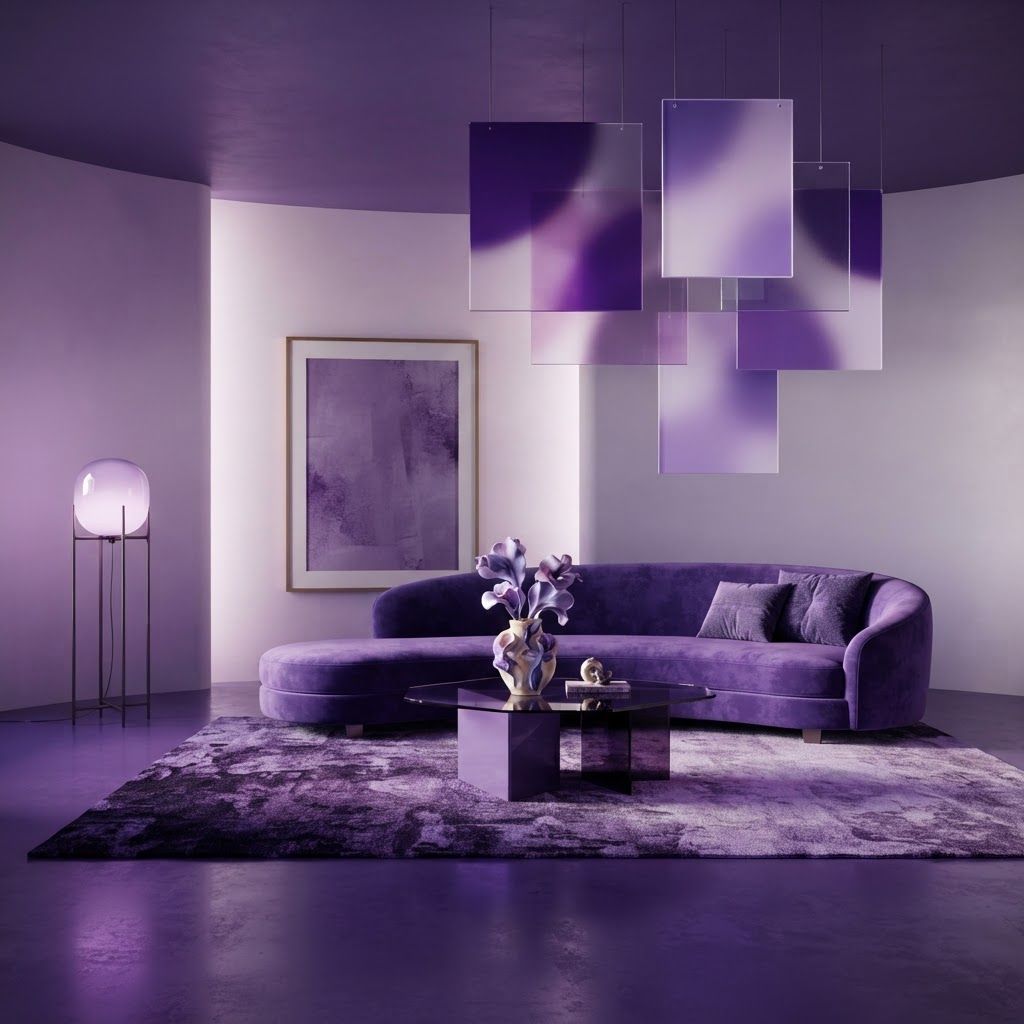
What Staging Actually Does for a Listing
Home staging is not decorating. It is a marketing exercise designed to help buyers understand a floor plan quickly, imagine their own life in the space, and feel confident about the asking price. In Winston-Salem, where inventory spans 1920s bungalows in Ardmore, grand homes in Buena Vista, downtown lofts, and new construction in Clemmons, staging choices must respond to architecture rather than follow a single formula.
The practical effects are measurable. Staged homes typically photograph better, which drives more online clicks in a market where nearly every buyer starts on a listing platform. They also reduce buyer hesitation about room function, an especially common issue in older homes with small bedrooms, awkward additions, or unusual traffic flow. Sellers often see shorter time on market and fewer price reductions.
Types of Staging Services
Vacant staging brings in furniture, art, and accessories for an empty property, and it is the most transformative and the most expensive option. Occupied staging works with what the seller already owns, editing, rearranging, and supplementing selectively. Consultation-only service provides a written room-by-room action plan that motivated sellers execute themselves. Partial staging focuses budget on the highest-impact spaces, usually the living room, primary bedroom, and kitchen. Virtual staging adds digital furniture to photographs and should always be disclosed clearly.
Top 10 Best Home Staging Services in Winston-Salem
1. Twin City Home Staging
A well-established local company handling both vacant and occupied projects across Forsyth County. Its inventory covers transitional, traditional, and contemporary looks, and the team is known for fast installation timelines that align with listing photography schedules.
2. Salem Style Staging Studio
Specializing in historic and character homes in West End, Old Salem, and Reynolda, this studio balances period architecture with contemporary buyer expectations, preserving original details while lightening dated interiors.
3. Piedmont Presentation Group
Serving Winston-Salem, Kernersville, and Clemmons, this firm focuses on builder and developer work, staging model homes and spec inventory with cohesive design packages that support new construction pricing.
4. Ardmore Interiors and Staging
A boutique operation known for warm, livable staging in mid-priced neighborhoods. The team excels at small-space solutions, making compact bungalow bedrooms and narrow living rooms feel purposeful rather than cramped.
5. Reynolda Luxury Staging
Positioned for higher-price listings, this company provides curated furnishings, original artwork, and detailed styling for estate properties where presentation directly influences buyer perception of value.
6. Forsyth Fresh Look Staging
Best known for consultation and occupied staging, this service delivers prioritized punch lists covering decluttering, paint colors, lighting upgrades, and furniture placement, which suits sellers working with tight budgets.
7. Camel City Staging Company
Focused on investor and flip properties, this team stages renovated houses quickly and cost-effectively, coordinating closely with contractors and photographers to compress the window between completion and listing.
8. Downtown Loft Staging Collective
Concentrated on Innovation Quarter and Fourth Street condominiums and lofts, this group understands open industrial layouts, defining zones for sleeping, working, and entertaining without walls.
9. Yadkin Home Presentation
Serving properties in outlying and rural areas, this service stages farmhouses, acreage homes, and country properties, often incorporating outdoor living areas and porches that matter to those buyers.
10. Clemmons Staging and Design
A suburban-focused provider handling family homes with an emphasis on functional flow, storage presentation, and neutral palettes that photograph cleanly for online listings.
Costs and Return on Investment
Consultation appointments in the Winston-Salem market generally run a few hundred dollars. Occupied staging costs vary with the amount of supplemental furniture required. Vacant staging is usually priced as an initial design and installation fee plus monthly furniture rental, with the primary living areas driving most of the expense. Because staging is a marketing cost rather than a renovation, sellers should weigh it against the likely cost of a price reduction, which is almost always larger.
Which Rooms Matter Most
Prioritize the spaces that shape first impressions and dominate listing photos: the entry, main living area, kitchen, primary bedroom, and any outdoor space suitable for seating. Secondary bedrooms benefit from simple, consistent treatment. Bathrooms need cleanliness, fresh linens, and good lighting more than furnishings. Storage areas should be visibly organized and partially empty, which signals sufficient capacity.
Trends in Local Staging
Buyers currently respond to lighter wall colors, layered lighting rather than reliance on overhead fixtures, and clearly defined work-from-home areas. Sustainable and rental-based furnishing models reduce waste and cost. Photography and video have become inseparable from staging, with stagers increasingly coordinating directly with photographers on angles and styling details. Virtual staging continues to grow for vacant properties, though disclosure is essential to maintain trust.
Final Thoughts
In a market as architecturally varied as Winston-Salem, staging is most effective when it respects the house rather than overwriting it. Choose a provider with relevant experience for your property type, agree on scope and duration in writing, and coordinate installation with professional photography. Done well, staging shortens the path from listing to contract and protects your asking price through the negotiation that follows.