
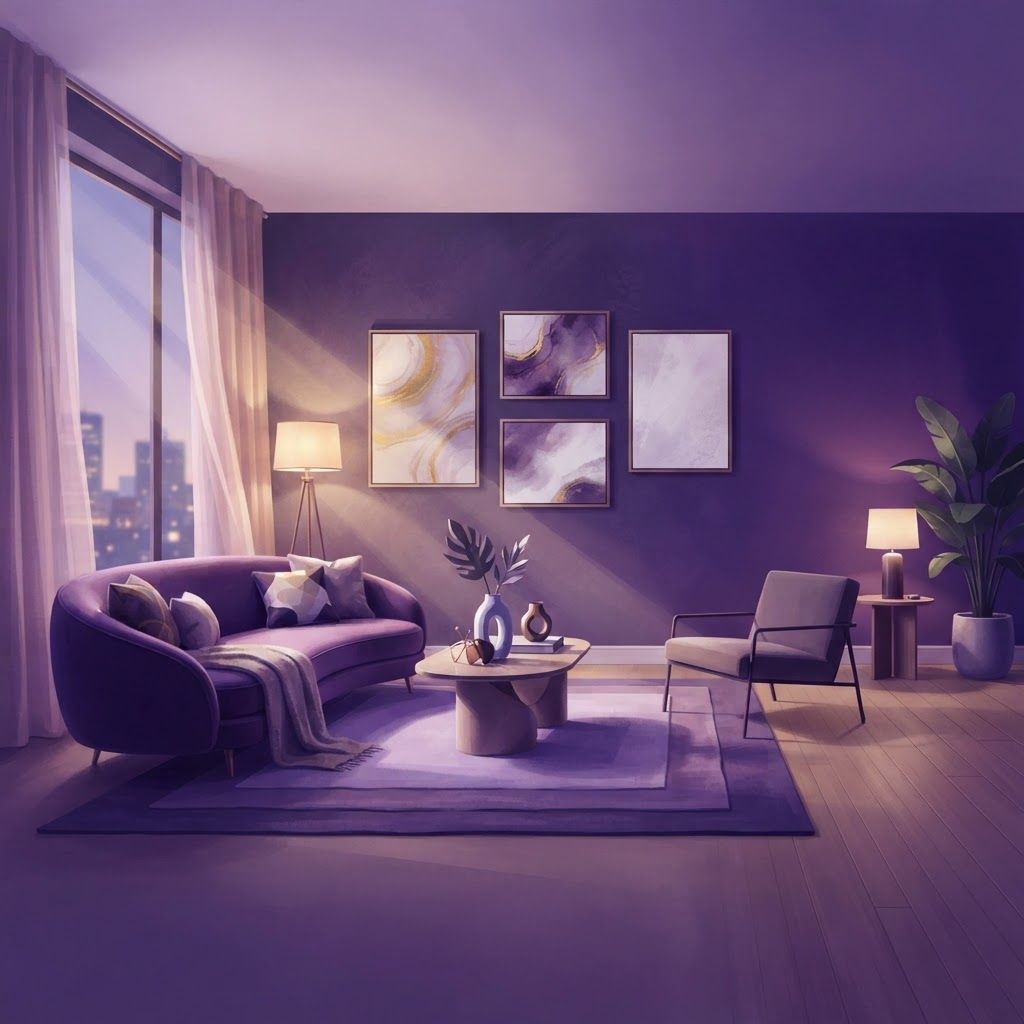
What Home Staging Actually Is
Home staging is the preparation of a property for sale or letting so that it appeals to the widest possible pool of buyers. It is not interior design, which creates a home for the people who live there. Staging is a marketing exercise: it depersonalises, highlights a property's strengths, disguises its weaknesses and helps buyers imagine themselves in the space.
The practice matters more than it once did because the buying journey now begins online. Most buyers form an opinion from photographs before deciding whether to book a viewing, and a property that photographs poorly loses candidates who never appear in any statistic the seller sees. Staging exists primarily to win that first digital impression.
Why It Works Particularly Well in Lancaster
Lancaster's housing stock creates specific staging challenges and opportunities. Victorian and Georgian terraces often have narrow hallways, small rear rooms and awkward chimney breast alcoves that look cramped when badly furnished and charming when handled well. Period features such as cornicing, sash windows, original fireplaces and stone detailing are strong selling points, but they are easily lost behind clutter or heavy furniture.
At the other end, new-build apartments and estate homes often present as blank and characterless when empty, and buyers struggle to judge whether furniture will fit. Staging solves the opposite problem in each case: reducing visual noise in older homes and adding warmth and scale reference in newer ones.
Ten Home Staging Services Serving Lancaster
Castle Home Staging specialises in period and character property, working sympathetically with original features rather than covering them. Its approach typically involves editing furniture down, improving lighting and directing attention toward architectural detail.
Lune Valley Property Styling focuses on rural and village homes, styling around views, gardens and outdoor space. Its work often includes preparing exterior areas, which sellers frequently neglect despite kerb appeal driving initial interest.
Greaves Interiors and Staging serves the family home market, arranging rooms to demonstrate practical family living: clear circulation, defined children's spaces and visible storage solutions.
Northbridge Show Home Services works with developers on new-build show homes and marketing suites, creating aspirational but achievable interiors that help buyers visualise a standard plot.
Vale Vacant Property Staging concentrates on empty properties, supplying full furniture packages on hire for the marketing period. Empty homes typically photograph poorly and are hard for buyers to scale, and this service addresses both problems.
Skerton Declutter and Prepare offers a lighter-touch service focused on decluttering, deep cleaning, minor repairs and furniture rearrangement using what the seller already owns. It is the most cost-effective entry point for most vendors.
Bowerham Rental Property Styling stages properties for the lettings market, where the objective differs slightly: durability and practicality matter alongside appeal, and styling must survive tenant use.
Quernmore Luxury Home Presentation works at the premium end, preparing larger country and period homes for high-value marketing campaigns, often coordinating with professional photographers and videographers.
Morecambe Bay Coastal Styling stages seaside and view-oriented properties, orienting layouts toward windows and outlooks and using light, airy palettes suited to coastal light.
Lancaster Virtual Staging Studio completes the list with digitally rendered furnishing of photographs of empty rooms. It is far cheaper than physical staging, though ethical practice requires clear labelling of images as virtually staged.
What Staging Typically Involves
A professional engagement usually begins with a consultation walkthrough, producing a written report of recommended actions prioritised by impact and cost. Some sellers stop there and implement the advice themselves, which is a legitimate and economical route.
Full staging may include decluttering and removing excess furniture to storage, deep cleaning, minor repairs and touch-up decorating, rearranging or hiring furniture, updating soft furnishings, improving lighting and adding finishing details such as plants, artwork and table settings.
The emphasis throughout is on space, light and flow. Removing a third of the furniture from a small Victorian sitting room does more for its perceived size than any amount of decorative addition.
Understanding Cost and Return
Costs vary widely by scope. A consultation and written report is the cheapest option. Partial staging of key rooms, typically the living room, main bedroom and kitchen, costs more. Full furniture hire for a vacant property is the most expensive, usually charged as an initial styling fee plus monthly hire for the marketing period.
The relevant comparison is not staging cost against zero, but staging cost against the alternatives: a price reduction after weeks without offers, extended mortgage and running costs during a longer marketing period, or a lower final agreed price after protracted negotiation. Viewed that way, a few hundred pounds spent on presentation frequently compares favourably with a reduction of several thousand.
Prioritise spending where it is seen most. The photographs that appear first in a listing, usually the main reception room and kitchen, carry disproportionate weight. Kerb appeal matters because it is what buyers see on arrival and it sets expectations for everything inside.
What Sellers Can Do Themselves
A great deal of staging value requires no professional involvement. Declutter thoroughly, aiming to remove roughly a third of visible possessions, and store rather than redistribute them. Depersonalise by removing family photographs, religious or political items and highly individual decor, so buyers see a space rather than someone else's life.
Clean to a standard well beyond normal housekeeping, including windows, skirting, grout and appliances. Address small defects: dripping taps, sticking doors, cracked tiles, chipped paint and blown light bulbs all suggest neglect disproportionate to their cost.
Maximise light by cleaning windows, opening curtains fully, replacing dim bulbs with brighter warm-white ones and ensuring every lamp works. Neutralise strong colours in main rooms if repainting is feasible. Deal with odours at source rather than masking them, particularly pet and smoking smells, which are among the most common deal-breakers.
Finally, tidy the exterior. Clear the path, cut the lawn, weed, clean the front door and remove bins from view. It costs almost nothing and changes the entire first impression.
Photography and Presentation Standards
Staging and photography are inseparable. There is little point investing in preparation and then allowing snapshots taken on a dull afternoon. Insist on professional photography shot in good natural light, with wide but honest framing, accurate floor plans and, for larger properties, video or virtual tours.
Consumer protection rules require material information to be disclosed and prohibit misleading marketing. Staging must present a property at its best without concealing defects; virtual staging in particular should always be labelled to avoid misleading buyers.
Trends in Property Presentation
Several patterns are visible locally. Sellers are investing earlier, preparing before listing rather than reacting after a slow start. Home working space is increasingly staged deliberately, with a spare corner presented as a functional office. Energy efficiency features such as new boilers, insulation and efficient lighting are being highlighted in marketing as running costs have become a buyer priority. And demand for lighter, warmer, less stark styling has grown, moving away from the very grey palettes that dominated recent years.
Final Thoughts
Home staging in Lancaster works because the city's mix of period terraces, family homes and new-build stock each present specific presentation challenges that are readily solved. Start with decluttering and cleaning, which cost little and deliver the most, then consider professional input for vacant properties or higher-value sales. Combine preparation with professional photography, and the property will attract more viewings, stronger offers and a faster sale.