
Home Security in a Coastal City
Security priorities in St. Petersburg extend beyond burglary prevention. Many properties are seasonal residences or vacation rentals that sit empty for stretches, which raises the value of remote visibility. Hurricane season introduces power and internet outages that a well-designed system must survive. Package theft, garage entry, and pool safety monitoring are also common local concerns.
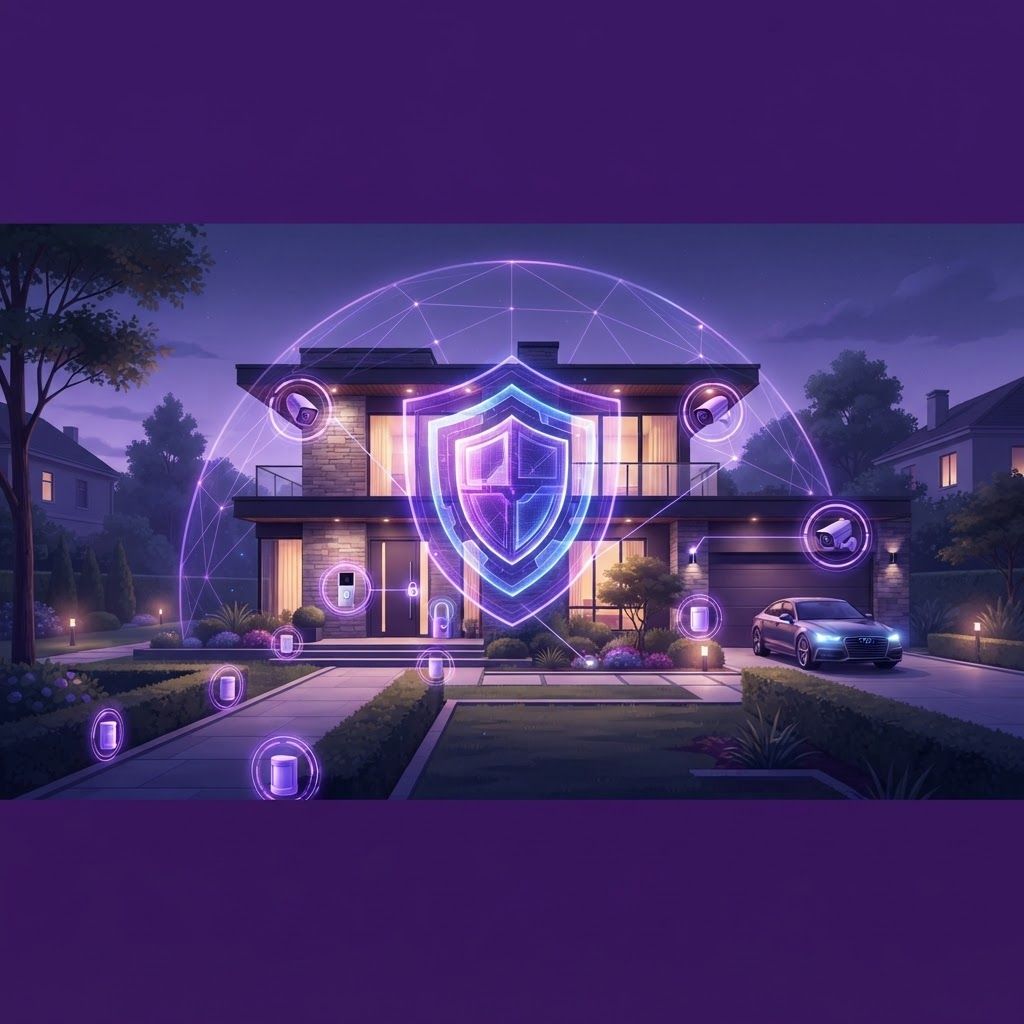
The technology landscape has changed rapidly. A system today typically combines entry sensors, motion detection, video doorbells, indoor and outdoor cameras, smart locks, glass break sensors, water leak and temperature sensors, and integration with lighting and thermostats. The important decision is not which brand of camera to buy but whether you want professional monitoring, self-monitoring, or a hybrid.
Top 10 Best Home Security Companies in St. Petersburg
1. Bayside Security Systems. A local integrator offering professionally installed and monitored systems with camera, alarm, and access control under one platform.
2. Sunshine Smart Home Security. Focuses on smart home integration, tying security devices to lighting, locks, and climate control with a single app.
3. Pinellas Alarm and Monitoring. A long-established monitoring provider known for responsive central station service and straightforward contracts.
4. Gulf Coast Surveillance Solutions. Camera specialists handling high-resolution outdoor systems, network video recorders, and coverage design for larger properties.
5. Harborview Access and Security. Serves both residential and small commercial clients with smart locks, keypad access, and gate control.
6. Anchor Watch Security. Built around seasonal residents and rental properties, emphasizing remote monitoring, water sensors, and alert escalation.
7. Suncoast Protective Systems. Offers layered systems with cellular backup and battery support designed to keep working through outages.
8. Beach Drive Home Technology. A boutique integrator handling premium installations with concealed wiring and clean device placement.
9. Coastal Guard Alarm Company. A family-run firm valued for personal service, in-person system training, and prompt service calls.
10. Palm Row Security Group. A flexible provider offering both monitored plans and self-monitored setups without long lock-in terms.
Monitored Versus Self-Monitored Systems
Professional monitoring means a central station receives alarm signals and can dispatch emergency services even when you cannot respond. It carries a recurring fee and may qualify you for a homeowners insurance discount. Self-monitoring sends alerts directly to your phone at little or no ongoing cost but depends entirely on your availability and attention.
Hybrid arrangements are increasingly common: self-monitored cameras with professionally monitored intrusion and life safety sensors. For seasonal properties, professional monitoring is usually worth the cost, because a smoke or water alarm in an empty house needs a response regardless of whether you saw the notification.
Designing for Outages and Storms
A security system that fails during a hurricane is not a security system. Ask specifically about battery backup duration for the panel and hub, cellular backup when internet service drops, local recording so footage is retained if cloud upload is unavailable, weather ratings on outdoor cameras, and whether devices reconnect automatically after a power event. Cameras mounted under soffits and eaves survive wind-driven rain far better than exposed placements.
Contracts, Pricing, and Fine Print
Read the agreement carefully. Key items include the contract term, whether equipment is owned or leased, early termination fees, monthly monitoring cost, price escalation clauses, what happens to the system if you cancel, and cloud storage retention duration and cost. Locally owned integrators often offer more flexible terms than national programs, while national providers may offer broader app ecosystems. Neither is universally better.
Also confirm false alarm handling. Municipalities can assess fees for repeated false dispatches, so ask how the company verifies alarms before dispatching, including whether video verification is available.
Privacy and Practical Placement
Position cameras to cover entry points, driveways, and package delivery areas while avoiding neighbors' windows and interiors. Be thoughtful about indoor cameras, and disable or physically shutter them when the home is occupied if privacy is a concern. Use strong unique passwords and enable two-factor authentication on the account, since credential reuse is the most common way home camera systems are compromised. Ask where footage is stored, who can access it, and how long it is retained.
Low-Cost Measures That Still Work
Technology supplements rather than replaces basic hardening. Reinforced strike plates and longer screws on exterior doors, secondary locks on sliding doors, motion-activated exterior lighting, trimmed shrubs near windows, a locked garage side door, and visible signage all reduce risk cheaply. Layering these with a monitored system produces far better outcomes than either alone.
Final Thoughts
Choose a home security company based on how you actually live: full-time occupancy, seasonal absence, or short-term rental use each call for different designs. Prioritize outage resilience, understand the contract before signing, and secure your accounts as carefully as your doors. The companies above span monitored alarm service, camera-focused surveillance, and full smart home integration.