
How Residential Security Has Changed
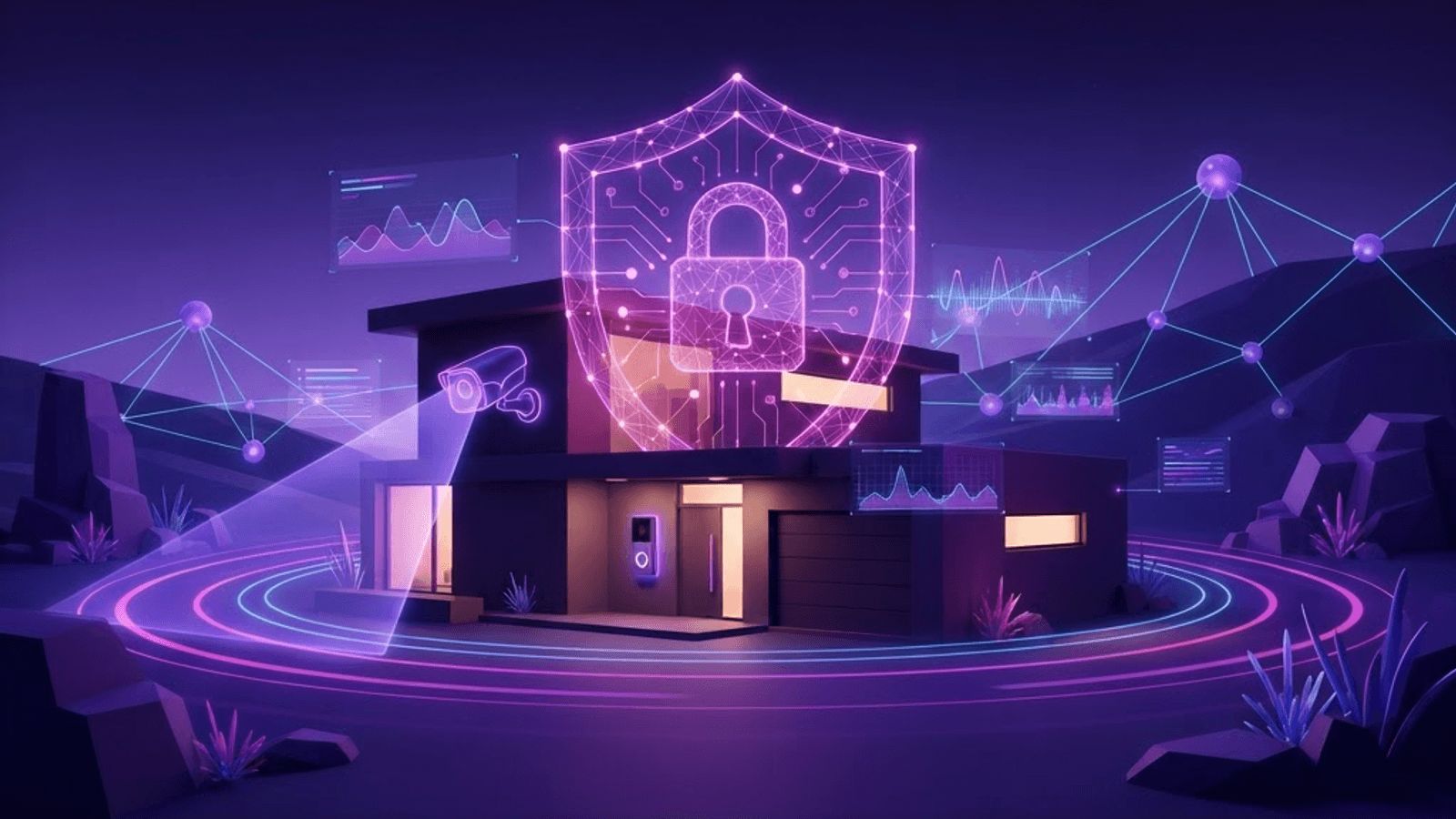
Home security used to mean a keypad by the front door, a handful of door contacts, and a monitoring contract measured in years. Today it means a connected ecosystem: video doorbells, exterior cameras with on-device analytics, smart locks, glass break sensors, environmental detectors for water and smoke, and an app that pushes an alert the moment something changes. For Sunrise Manor residents, this evolution has made meaningful protection accessible at a wide range of price points, but it has also made the buying decision considerably more complex.
The neighborhood context matters. Sunrise Manor is a large unincorporated community with a mix of single-family homes, older ranch properties, apartment complexes, and small commercial corridors. Package theft, vehicle break-ins, and opportunistic entry through unsecured side gates and garages are the most common concerns residents describe. Those are problems that respond well to visible deterrence, good exterior lighting, and cameras positioned at genuine approach paths rather than pointed decoratively at the street.
Professional Monitoring Versus Self-Monitoring
Professionally monitored systems route alarm signals to a central station staffed around the clock, which dispatches emergency services and can verify events before dispatch. This matters because many jurisdictions treat verified alarms differently from unverified ones, and because a homeowner who is asleep, traveling, or in a meeting cannot respond to a push notification.
Self-monitored systems send alerts directly to the owner's phone with no monthly central station fee. They work well for people who want visibility rather than emergency response, and for renters who need portable equipment. The tradeoff is that nobody is watching when you are not.
Hybrid arrangements have become the most popular middle ground: self-installed equipment with an optional monthly monitoring plan that can be enabled or paused. Before committing, confirm whether the equipment is proprietary or open, whether it functions if the subscription lapses, and whether cellular backup is included so the system survives an internet outage.
Evaluating a Security Provider
Nevada requires alarm companies and their installers to be licensed, and reputable firms confirm this readily. Beyond licensing, read the contract terms closely. Long monitoring agreements with automatic renewal and steep cancellation fees remain common, and equipment leases can mean paying indefinitely for hardware you never own. Ask what happens if you move.
On the technical side, evaluate camera placement rather than camera count. Two well-positioned cameras covering the driveway approach and the rear yard access point outperform six cameras with overlapping views of the same sidewalk. Ask about local storage versus cloud, retention periods, resolution at night, and whether analytics run on the device or in the cloud. Confirm cellular and battery backup. And discuss privacy directly: where footage is stored, who can access it, whether it is encrypted, and what the company's policy is on sharing with third parties.
The Ten Best Home Security Companies in Sunrise Manor
1. Desert Watch Security Systems
Desert Watch is a full-service integrator offering professional design, installation, and central station monitoring with cellular backup. Their site surveys focus on actual approach paths and lighting conditions, and they are transparent about equipment ownership and contract length, which sets them apart in a category where fine print often surprises buyers.
2. Valley Guard Home Protection
Valley Guard serves a broad residential base with straightforward alarm packages built around entry sensors, motion detection, and monitored smoke and carbon monoxide devices. The company is known for responsive local service technicians rather than call-center-only support, which matters when a sensor fails.
3. Sunrise Smart Home Technologies
This firm specializes in integration, tying security into broader home automation including lighting, thermostats, garage doors, and smart locks. For homeowners who want a single app controlling everything and scenes that trigger lighting on alarm events, their systems engineering experience is valuable.
4. Mojave Surveillance Solutions
Mojave focuses on video, designing camera systems with local network video recorders, on-premise storage, and no dependency on a cloud subscription. Their expertise in coverage planning, lens selection, and low-light performance produces footage that is actually usable for identification rather than merely capturing motion.
5. Clark Ridge Alarm Company
Clark Ridge works extensively with rental property owners and small businesses, offering monitored systems with simple per-unit pricing and clear service documentation. Their ability to standardize equipment across multiple addresses simplifies management considerably.
6. Silver Sage Access Control
Silver Sage specializes in gates, smart locks, keypad and credential access, and intercom systems. For properties with side yard gates, detached casitas, or shared driveways, controlled access addresses the entry points that alarms only detect after the fact.
7. Eastside Locksmith and Security
Eastside combines traditional locksmithing with modern security hardware, upgrading strike plates, deadbolts, and door reinforcement alongside electronic systems. This physical hardening is frequently overlooked and is among the most cost-effective improvements a homeowner can make.
8. Horizon Monitoring Group
Horizon offers flexible monitoring plans with month-to-month terms and no equipment lease, appealing to homeowners who already own compatible hardware and want professional response without a long commitment. Their central station response times are consistently well regarded.
9. Cactus Bloom Security Services
A smaller local operation, Cactus Bloom provides consultative service with detailed walkthroughs and honest recommendations, including advising against equipment a client does not need. That candor has built a strong referral base in the east valley.
10. Nevada Shield Home Safety
Nevada Shield rounds out the list with an emphasis on life safety alongside intrusion detection, including monitored smoke and heat detection, carbon monoxide sensing, water leak detection, and medical alert options for older residents aging in place.
Trends to Watch
On-device artificial intelligence has dramatically reduced false alerts by distinguishing people, vehicles, and animals from moving shadows and blowing debris, which is particularly useful in a windy desert environment. Matter and other interoperability standards are slowly loosening the grip of proprietary ecosystems, making it easier to mix equipment. Video verification is increasingly used to confirm alarms before dispatch. And there is growing scrutiny of footage sharing practices, pushing more providers toward end-to-end encryption and local storage options.
Practical Steps That Improve Security Immediately
Improve exterior lighting at entry points, since darkness enables far more opportunistic entry than weak locks. Secure side gates with keyed or coded locks. Reinforce door frames with longer strike screws. Keep garage remotes out of parked vehicles and secure the garage interior door as if it were an exterior one. Position cameras to cover approach paths and package delivery areas at a height that captures faces. Test the system monthly and verify that cellular backup is active.
Security works in layers, and technology is only one of them. Choosing a licensed provider from the list above, insisting on clear contract terms, and pairing monitored equipment with basic physical hardening produces protection that holds up in practice rather than only on a spec sheet.