
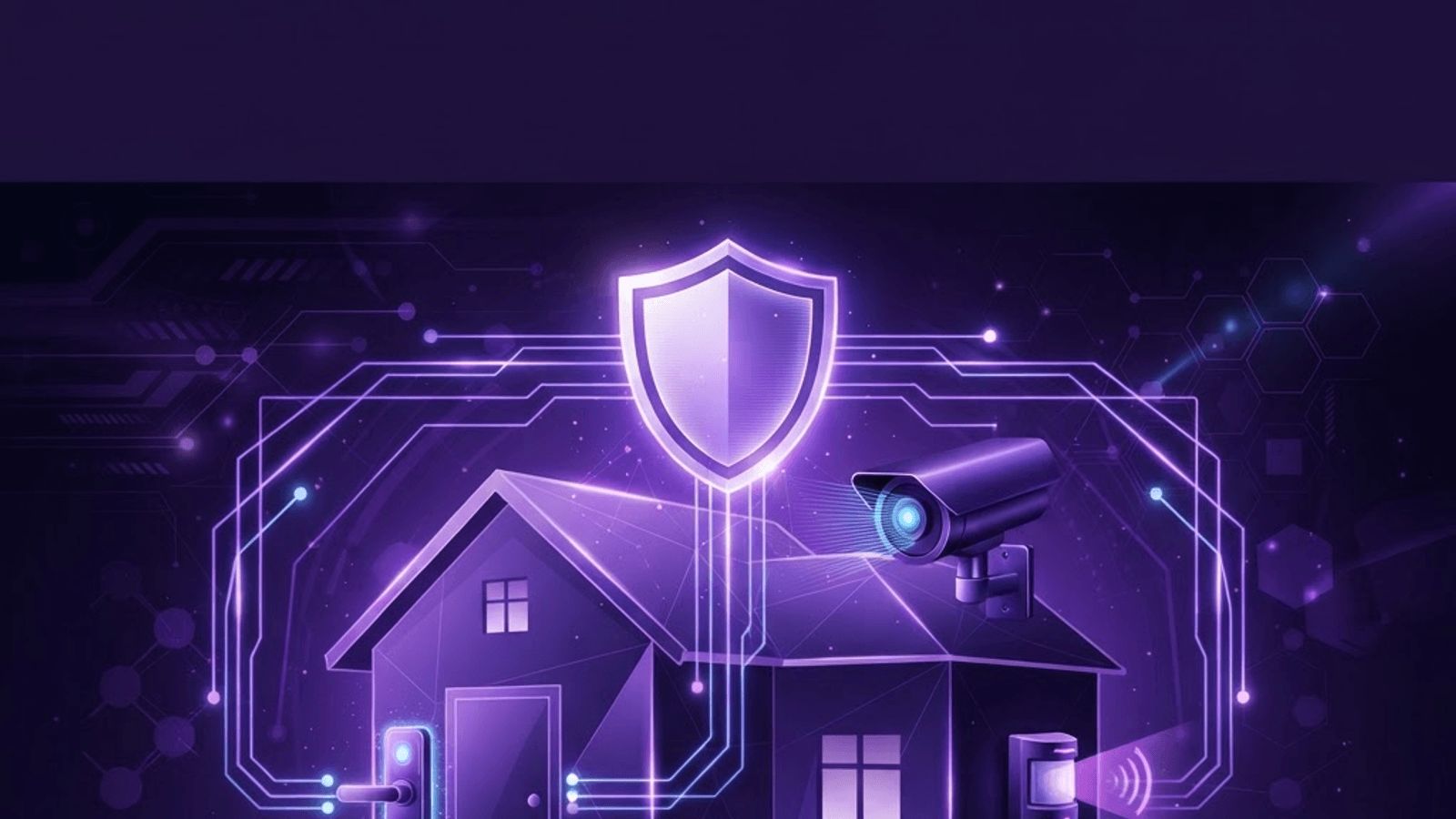
Security Is About Layers, Not Gadgets
The most common mistake homeowners make is buying a product before defining a risk. A camera pointed at a driveway does nothing for a rear window with a weak lock. Effective home security works in layers: deterrence at the perimeter, physical resistance at entry points, detection inside, notification to someone who will act, and evidence capture for afterwards. Each layer buys time and reduces the likelihood that the next one is tested.
In Paradise, most residential incidents are opportunistic rather than sophisticated. That is encouraging, because opportunistic intrusion responds strongly to visible deterrence, decent locks, good lighting and rapid alerting. The companies below design around those principles rather than simply selling hardware.
The Top 10 Home Security Companies in Paradise
1. Sentinel Home Protection
Sentinel offers fully monitored alarm systems with a staffed response centre, verified alarm handling to reduce false dispatches, and professionally designed detection layouts. It conducts a property survey before proposing equipment, which many competitors skip.
2. Guardian Smart Security
Guardian specialises in integrating security with smart home platforms, allowing lighting, locks, cameras and alarms to respond together. Arriving home can unlock, disarm and illuminate in one action, while an away mode can simulate occupancy convincingly.
3. Vantage CCTV Systems
Vantage designs and installs video surveillance with attention to the details that matter: lens selection for identification rather than mere detection, low-light performance, sensible retention periods and secure remote access.
4. Fortress Doors and Locks
Fortress concentrates on physical security — high-security cylinders, reinforced strike plates, multi-point locking, window restrictors and safes. Its work addresses the layer that software cannot, and it is often the highest-value spend per unit cost.
5. Skyline Access Control
Skyline installs intercoms, video door stations, gate automation and access control for villas and shared residential buildings, managing visitor entry without compromising resident convenience.
6. Aegis Monitoring Services
Aegis provides professional monitoring for systems installed by others, including alarm verification, escalation procedures and keyholder notification. It suits homeowners who already own equipment but lack a response chain.
7. Nightwatch Patrol and Response
Nightwatch combines electronic monitoring with mobile patrol response, attending activations physically. The service is popular in larger residential compounds and for properties left vacant for extended periods.
8. Brightpath Security Lighting
Brightpath designs exterior lighting specifically for deterrence and camera performance, eliminating the dark pockets and glare problems that undermine surveillance. Motion-triggered zones and timed schedules are configured to look natural.
9. Homeshield Wireless Alarms
Homeshield focuses on wireless, self-monitored systems for apartments and rented properties where cabling is impractical and installations must be removable.
10. Cornerstone Safety Systems
Cornerstone bundles security with life safety — smoke, heat and gas detection, plus water leak sensors — recognising that fire and flood cause more household loss than intrusion does.
Designing a System That Actually Works
Start by walking the property as an intruder would. Identify which entry points are concealed from the street, which windows are reachable, and where a ladder or bin could provide access. Protect those points first. Place detection inside on the likely route between entry and valuables rather than scattering sensors evenly. Position cameras to capture faces at head height near entry points rather than mounting them high where they record only the tops of heads.
Notification matters as much as detection. An alarm nobody hears or responds to provides deterrence only. Decide in advance whether alerts go to your phone, to a monitoring centre, or to both, and who will attend if you are away.
Privacy and Data Considerations
Cameras record people, including household staff, visitors and sometimes neighbours. Reputable installers advise on sensible camera placement that avoids overlooking neighbouring property, explain where footage is stored and for how long, and configure secure passwords and updates. Avoid cheap devices from unknown suppliers with unclear firmware support, since these are the most frequently compromised and can become a vulnerability rather than a protection.
Trends in Residential Security
Video doorbells have become mainstream and now serve as the first layer of most systems. Analytics that distinguish people from animals and passing vehicles have significantly reduced false alerts. Smart locks with audit trails are replacing key handovers for cleaners and short-term guests. Battery and cellular backup are increasingly standard so that cutting power or internet does not disable a system. Professional monitoring has also become more affordable, narrowing the gap with self-monitored setups.
Choosing a Provider
Insist on a site survey and a written design rather than a package price. Ask whether the equipment is proprietary — systems that only the installer can service reduce your options later. Understand the contract length, monitoring fees and what happens if you move. Confirm response procedures and false alarm handling. Finally, check that installers are vetted, since these are people who will know your home's protection layout in detail.
Final Thoughts
Good security is unobtrusive, layered and maintained. The ten companies listed here have earned their standing in Paradise by designing for the specific property rather than selling a catalogue. Address physical weaknesses first, add detection and notification that someone will act on, and the technology will do its job.