
Home Security Has Changed Faster Than Most Home Systems
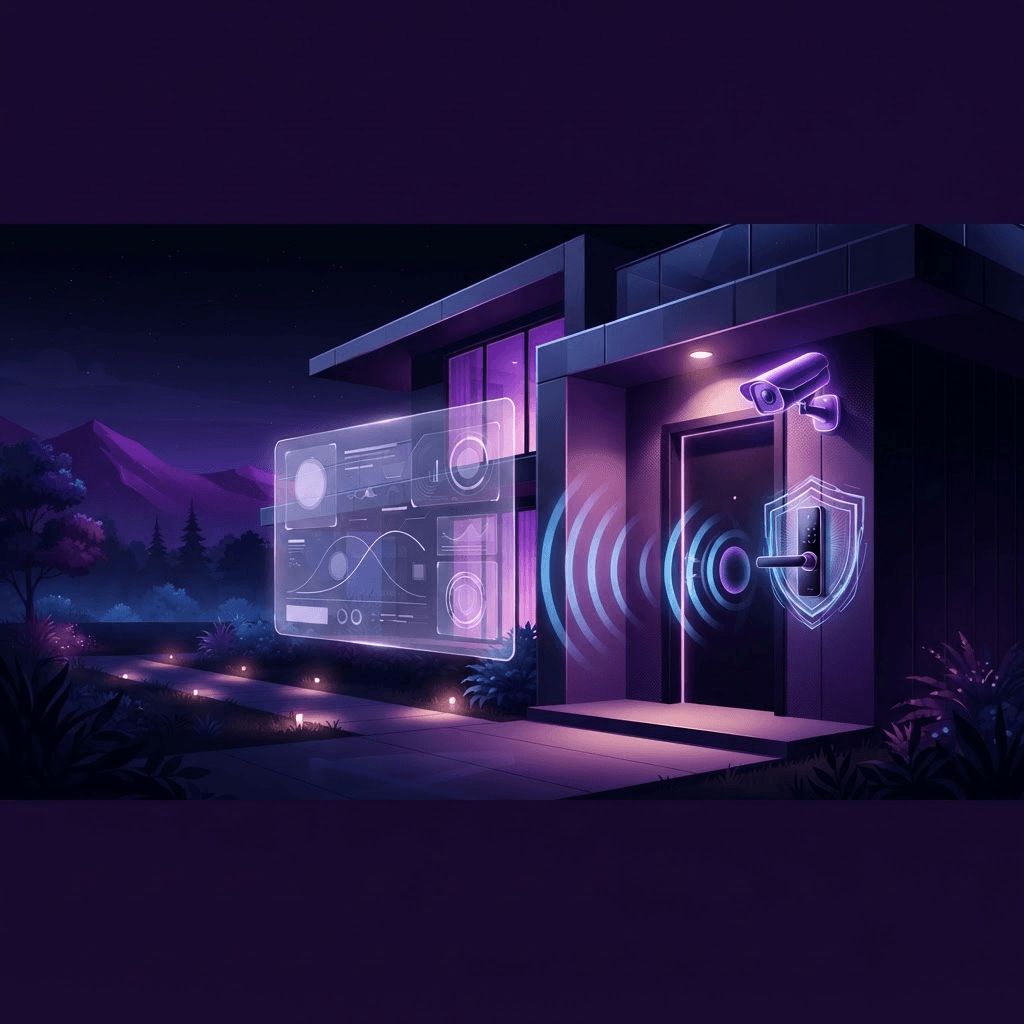
A decade ago, home security in Lexington meant a wired panel, a few door contacts, and a monitoring contract measured in years. Today the category spans doorbell cameras, cellular-backup panels, smart locks, glass-break sensors, environmental detection for water and smoke, and monitoring plans that can be started or stopped monthly. Many households now blend approaches, using professional monitoring for intrusion and fire while handling video review themselves.
Lexington's needs are shaped by its layout. The city has dense student housing near the University of Kentucky, established neighborhoods with detached garages and alley access, and expanding suburbs where homes sit on larger lots with limited natural surveillance. Package theft, vehicle entry in driveways, and opportunistic garage access are more common concerns than dramatic break-ins, which changes what equipment actually delivers value.
Ten Security Providers Serving Lexington
1. Sonitrol of Lexington is known for audio-based verification, which allows monitoring staff to confirm activity before dispatch. This approach reduces false alarms and is popular with commercial clients and larger homes.
2. ADT remains the most recognized name nationally and offers professionally installed systems with cellular backup, smart home integration, and long-standing monitoring infrastructure.
3. Vivint Smart Home emphasizes integrated automation, pairing cameras with door locks, garage control, and thermostats so security and convenience run through one application.
4. Bluegrass Security Systems serves the local market with custom design and installation, which matters in older homes where wiring paths and window types complicate standard sensor kits.
5. SimpliSafe appeals to renters and cost-conscious households with self-installed sensors, optional monitoring, and no long-term contract requirement.
6. Ring Alarm combines widely used doorbell cameras with an affordable alarm system, making it a common entry point for households already using video.
7. Guardian Protection offers professionally monitored systems with an emphasis on responsive service and clear equipment ownership terms.
8. Kentucky Alarm and Security focuses on regional service, including commercial access control, camera systems for small businesses, and residential upgrades.
9. Bluegrass Camera and Surveillance specializes in video, designing coverage layouts, network video recorders, and remote access for properties needing recorded footage rather than alarm response.
10. Central Kentucky Smart Home Solutions integrates security with automation and networking, addressing the practical reality that unreliable home internet undermines even excellent equipment.
Professional Monitoring Versus Self-Monitoring
Professional monitoring means a central station receives alarm signals and dispatches emergency services when verification criteria are met. It carries a monthly cost but works when you are asleep, traveling, or unable to answer your phone. Self-monitoring sends notifications directly to your device, costs little or nothing, and depends entirely on your availability and attention.
A reasonable compromise many Lexington households adopt is professional monitoring for life-safety and intrusion events, combined with self-managed video for everyday awareness. Whatever the choice, verify cellular backup exists, because an intruder or a storm can cut internet service, and a system that reports only over broadband can be silenced easily.
What Equipment Actually Matters
Entry point coverage comes first: door contacts on every exterior door including the garage entry door, plus motion detection in main circulation areas. Glass-break sensors add value in homes with large ground-floor windows. Cameras should cover approach paths, the driveway, and the primary entry, positioned high enough to avoid tampering but low enough to capture recognizable detail.
Environmental sensors are frequently overlooked yet often pay for themselves. Water sensors near water heaters, washing machines, and sump pumps catch leaks early, and monitored smoke and carbon monoxide detection provides dispatch even when nobody is home. Given Central Kentucky's storm activity and basement moisture issues, these additions are practical rather than luxury.
Smart locks and video doorbells handle the day-to-day scenarios most residents actually face: deliveries, service technicians, dog walkers, and family members needing temporary access. Rotating codes and time-limited access reduce key management headaches.
Contract Terms and Cost Considerations
Read three things carefully: contract length, equipment ownership, and what happens to functionality if monitoring is canceled. Some systems become basic sirens without a subscription, while others continue to work locally. Ask whether installation is included, whether the equipment can be moved to a new address, and how price increases are handled after any promotional period.
Homeowners insurance discounts often apply to monitored systems, particularly those including fire monitoring. The savings rarely cover the full monitoring cost but are worth confirming with your carrier before choosing a plan.
Privacy and Neighborhood Considerations
Camera placement should respect neighbors, especially on the closely spaced lots common in older Lexington neighborhoods. Aim cameras at your own property and entryways rather than adjacent windows, and be thoughtful about audio recording. Households should also secure the system itself with strong unique passwords and two-factor authentication, since an unsecured account undermines the entire investment.
Layered Security Beyond Devices
Technology works best alongside physical basics. Solid-core exterior doors with reinforced strike plates, deadbolts with long screws into framing, motion-activated exterior lighting, trimmed shrubs near windows, locked garage service doors, and a habit of not leaving valuables visible in parked vehicles all reduce risk measurably. Neighborhood familiarity remains the most underrated deterrent in Lexington's tight-knit residential areas.
Final Thoughts
The right provider depends on whether you value integrated automation, verified professional response, flexible self-installation, or specialized video coverage. Define your primary risk, choose equipment that addresses it directly, confirm cellular backup and contract terms, and remember that consistent habits complete what hardware begins.