
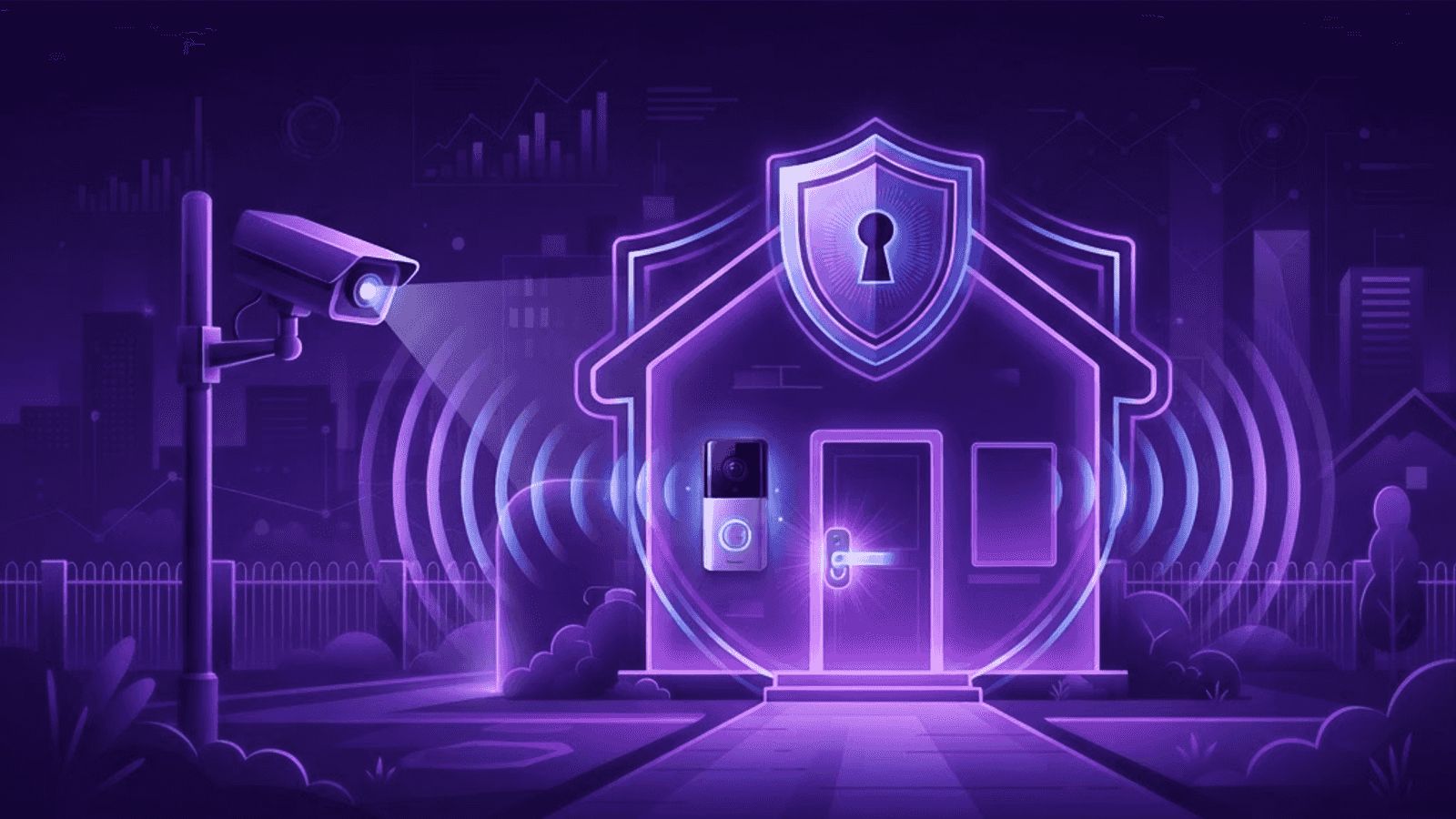
What Home Security Means in Bakersfield Today
Home security has changed more in the past decade than in the previous three. A traditional system meant door contacts, a motion sensor, a keypad, and a monitoring contract tied to a landline. Today a typical Bakersfield installation may include video doorbells, exterior cameras with onboard analytics, smart locks, glass-break sensors, environmental detectors for smoke and water, cellular communication with battery backup, and a mobile app that functions as the primary interface.
Local conditions influence choices in ways that surprise newcomers. Extreme summer heat affects battery life in wireless sensors and outdoor cameras, so equipment rated for high ambient temperatures and shaded mounting locations both matter. Dust accumulates on camera lenses and reduces image clarity, making periodic cleaning part of routine maintenance. Bright, high-contrast sunlight creates exposure challenges, which is why cameras with strong dynamic range perform noticeably better on west-facing elevations. Winter tule fog degrades nighttime video, favoring cameras with good low-light sensitivity over those relying solely on infrared illumination.
Ten Home Security Providers Serving Bakersfield
Kern County Security Systems is a local provider offering professionally installed and monitored alarm systems with camera integration, known for in-person site assessments rather than phone-based package selling.
Golden Empire Alarm & Monitoring provides monitored intrusion and fire detection with cellular communication and battery backup, along with service agreements that include sensor replacement and system testing.
Valley Smart Home Security focuses on integrated smart home platforms, connecting security with lighting, thermostats, garage doors, and locks in a single application.
Sierra Surveillance Solutions specializes in camera systems, including multi-camera networked recording, license plate and person detection analytics, and coverage design for larger properties and rural parcels.
Bakersfield Access Control Experts handles smart locks, keypad entry, gate operators, and intercom systems — increasingly relevant for households managing deliveries, service providers, and multi-generational access.
Rosedale Home Protection Services serves newer northwest neighborhoods with straightforward residential packages and flexible monitoring terms rather than long lock-in contracts.
Panama Security Installers concentrates on installation quality for customer-purchased equipment, an option for homeowners who buy their own hardware but want professional mounting, wiring, and configuration.
Stockdale Commercial Security Group works with businesses and multi-unit properties on access control, surveillance, alarm monitoring, and integration with fire and life-safety systems.
Oildale Affordable Security offers entry-level monitored systems and basic camera coverage for budget-conscious households and rental properties.
Southwest Bakersfield Security & Automation operates as a full-service integrator handling design, installation, network configuration, and ongoing support for larger homes with extensive coverage requirements.
Professional Monitoring Versus Self-Monitoring
Professional monitoring means a central station receives alarm signals and dispatches emergency services. Its advantages are meaningful: response occurs even if you are asleep, traveling, or unreachable, and monitoring records can support insurance claims. Many insurers offer premium discounts for monitored systems, particularly those including fire detection. The tradeoff is a recurring monthly cost and, with some providers, a multi-year agreement.
Self-monitoring sends alerts directly to your phone, and you decide whether to call authorities. It eliminates monthly fees or reduces them substantially, and modern equipment makes it genuinely practical. The weakness is dependence on you noticing and acting. Notifications during a meeting, a flight, or the middle of the night are easy to miss, and false-alarm fatigue leads many self-monitoring users to mute notifications entirely, which defeats the purpose.
A hybrid approach works well for many households: self-monitored cameras for everyday awareness, combined with professional monitoring on intrusion and fire sensors where delayed response carries the highest consequences.
Designing Coverage That Actually Works
Effective design starts with entry points rather than gadgets. Every exterior door should have a contact sensor. Accessible windows, particularly those hidden from street view by fencing or landscaping, deserve contacts or glass-break detection. Interior motion sensors placed in hallways and main living areas provide a second layer if perimeter detection is bypassed.
Cameras should be positioned to identify rather than merely detect. A camera mounted high and far away records that someone was present; a camera at approach level covering the front door, driveway, side gates, and any rear access captures identifiable detail. Overlapping fields of view eliminate blind spots, and mounting under eaves protects equipment from direct sun and heat.
Do not overlook environmental sensors. Water leak detectors near water heaters, washing machines, and under sinks prevent losses that are statistically more likely than burglary. Smoke and carbon monoxide detection integrated with monitoring provides dispatch even when nobody is home.
Deterrence deserves attention as well. Motion-activated lighting, trimmed landscaping that removes concealment near windows, visible cameras at approach points, reinforced strike plates, and solid deadbolts all reduce the likelihood that a property is selected in the first place.
Networking, Power, and Reliability
Wireless systems depend on the home network, so coverage matters. Cameras positioned at property edges frequently sit at the limit of wireless range, producing dropped clips exactly when they are needed. Mesh networking or wired connections resolve this. For camera-heavy installations, wired power over Ethernet is more reliable than battery cameras, which require regular recharging and perform worse in extreme heat.
Backup matters too. Cellular communication ensures alarm signals transmit if internet service fails, and battery backup keeps the panel operating through outages. Local recording alongside cloud storage prevents total loss of footage if connectivity drops during an incident.
Questions to Ask Before Signing
Clarify contract length, early termination terms, and whether equipment is owned or leased. Leased equipment often means you lose the system if you cancel. Ask what the monthly fee includes: monitoring only, or also service visits, sensor replacement, and cloud video storage.
Ask about false alarm procedures and verification, since some jurisdictions assess fees for repeat false dispatches. Confirm who installs the system — direct employees or subcontractors — and what installation warranty applies. Verify licensing, as alarm installation and monitoring are regulated activities in California.
Finally, ask about data handling for video: where footage is stored, how long it is retained, who can access it, and what happens to recordings if you cancel service.
Final Thoughts
Bakersfield homeowners have a full range of options, from budget monitored packages to fully integrated automation systems, along with local installers who will configure customer-supplied equipment. Focus first on covering every entry point, place cameras where they capture identifiable detail, add environmental sensors for the risks that occur most often, and choose a monitoring model that matches how reliably you will actually respond to alerts. Equipment quality matters, but placement, network reliability, and honest contract terms determine whether a system protects the home or merely decorates it.