
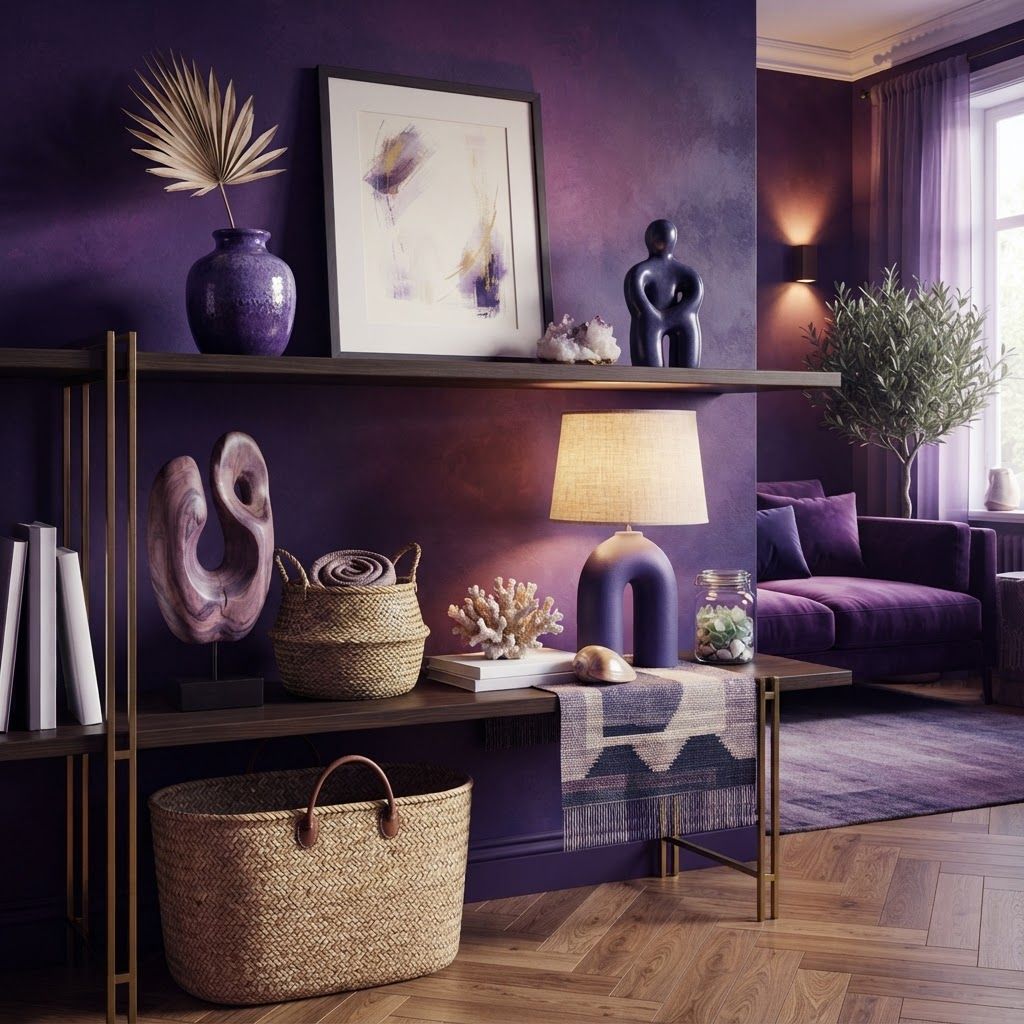
A Decor Market Shaped by Art and Light
St. Petersburg has one of the most distinctive design cultures on Florida's Gulf Coast, and it did not arrive by accident. A dense concentration of museums, the Warehouse Arts District, a long-running gallery walk tradition, and hundreds of large-scale murals have created a city where residents genuinely care about objects and craft. That culture shows up in local home decor retail, which skews toward independent curation, maker-driven inventory, and design services rather than big-box uniformity.
Geography does the rest. The peninsula delivers exceptionally bright, reflected light off Tampa Bay and the Gulf, which changes how color behaves indoors. Pale walls that look serene in a northern city can read washed out here, while saturated pigments hold up beautifully. The prevailing architecture also guides taste: Mediterranean revival, Craftsman bungalow, mid-century modern blocks, and glass-forward waterfront towers each demand a different decorative language.
What Coastal Humidity Means for Furnishings
Practical durability separates decor that lasts from decor that disappoints. High indoor humidity encourages mildew in natural fibers, warping in solid wood joinery, corrosion in low-grade metal hardware, and adhesive failure in inexpensive veneers. Salt air near the water accelerates all of it. The materials that perform best include performance and solution-dyed fabrics, powder-coated aluminum and stainless hardware, teak and other naturally oily woods, rattan and cane with proper sealing, ceramic and stone surfaces, and indoor-outdoor rugs made from polypropylene.
Ultraviolet exposure is the second quiet destroyer. West-facing rooms with unfiltered Gulf sunlight will fade dyed textiles, bleach wood finishes, and yellow certain plastics within a few seasons. Solar film, sheer layering, and UV-stable fabrics are worth the investment before you buy anything expensive.
The Ten Standouts in St. Petersburg
Sunshine City Home is a curated lifestyle retailer known for pairing coastal neutrals with sculptural accents. Its buyers lean into ceramics, woven textures, and lighting, and the store has a reputation for stocking pieces that photograph well but also survive daily use.
Warehouse Arts Interiors operates at the intersection of gallery and showroom. Inventory rotates around local makers, meaning original ceramics, blown glass, fiber art, and reclaimed wood furniture, and the brand is a first stop for buyers who want something no neighbor will own.
Beach Drive Design House serves the high-end waterfront condominium market with a full-service model. Furniture selection, custom window treatments, art placement, and complete installation are delivered as a package, and the aesthetic favors restrained luxury over pattern-heavy coastal cliches.
Grand Central Modern specializes in mid-century and mid-century-inspired furnishings, which suits the city's substantial stock of post-war homes. Walnut casegoods, tapered leg seating, globe lighting, and geometric textiles define the inventory.
Kenwood Collective is a bungalow-focused shop dealing in vintage, restored, and artisan goods. Craftsman-appropriate lighting, period-sympathetic hardware, handmade tile, and small-batch textiles make it valuable to owners of historic homes who want authenticity without a museum feel.
Gulfshore Outdoor Living concentrates on the exterior rooms that matter enormously in this climate. Weather-rated seating, teak dining sets, performance cushions, shade structures, and outdoor rugs are its focus, with an emphasis on marine-grade construction.
Tampa Bay Textile Studio works primarily in soft goods, offering custom drapery, upholstery, bedding, and pillows fabricated locally. Its advantage is material guidance: staff will steer customers toward mildew-resistant and UV-stable fabrics rather than simply selling the prettiest bolt.
Central Avenue Ceramics and Glass is a maker-retailer producing and stocking functional art. Hand-thrown vessels, dinnerware, tile, and blown glass lighting form the core, and the brand supplies many local restaurants and boutique hotels.
Coquina Coast Furnishings targets value-conscious buyers furnishing rentals, first homes, and vacation properties. The proposition is durable, neutral, quickly available inventory in packages, which is exactly what short-term rental operators need.
Skyway Lighting and Living is a lighting-led showroom with a strong secondary decor selection. Layered lighting design consultations, fixture specification for high ceilings and coastal corrosion resistance, and smart lighting integration set it apart from general furniture retailers.
Building a Coherent Interior
Start with a restrained palette. Three to five colors across an entire home, including neutrals, produces calm rooms that read as intentional. Anchor with a dominant neutral, add one secondary tone drawn from the surrounding landscape, and reserve a single accent for small doses. Let texture rather than additional color carry the visual interest, which is what makes coastal interiors feel sophisticated instead of themed.
Scale is the most common mistake in condominium interiors. Tall ceilings and long sightlines swallow small furniture and undersized art, leaving rooms that feel unfinished. Measure, tape out footprints on the floor, and choose fewer, larger pieces. In bungalows the opposite discipline applies, since oversized sectionals destroy the proportion of modest rooms.
Trends Shaping the Local Market
Several movements are visible across St. Petersburg showrooms. Warm minimalism has displaced stark all-white interiors, bringing plaster finishes, unlacquered brass, and organic silhouettes. Locally sourced art has become a status marker, with buyers preferring an original from a nearby studio over reproduction prints. Sustainability has moved from marketing to purchasing criteria, favoring reclaimed wood, recycled glass, natural fiber rugs, and vintage acquisition. Indoor-outdoor continuity keeps expanding, with performance materials appearing in formal living rooms because they simply last longer.
Final Considerations
The best decor decisions in this city respect both its design ambition and its climate. Buy fewer pieces of higher quality, prioritize materials proven in humidity and sun, support the local maker economy that gives St. Petersburg interiors their character, and use professional design help where scale and specification carry real financial risk. A room assembled this way will still look considered a decade from now, which is the only measure of decor that matters.