
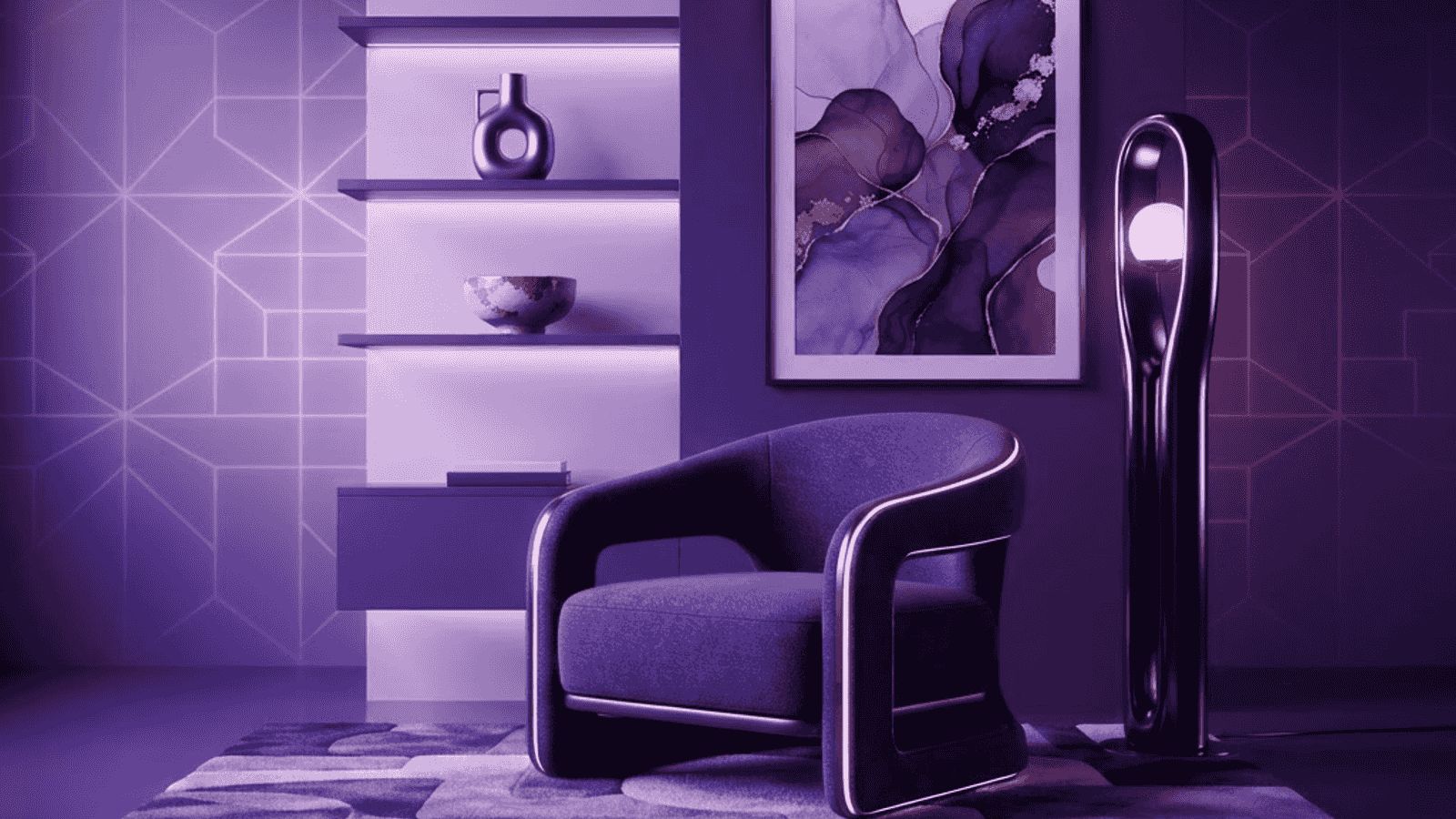
Designing for Tampa Light and Climate
Furnishing a home in Tampa involves considerations that showroom photography rarely mentions. Sunlight here is intense and comes at a high angle for much of the year, which fades textiles, dries out untreated leather, and washes out subtle color palettes. Humidity affects solid wood movement, natural fiber rugs, and upholstery in rooms that see frequent outdoor traffic. Homes near the bay contend with salt air that accelerates corrosion on metal finishes.
Decor that succeeds in this environment tends to share qualities: performance fabrics that resist fading and moisture, kiln-dried hardwood or engineered construction that tolerates humidity swings, indoor-outdoor rugs in high-traffic areas, and finishes chosen for durability rather than trend alone. The look most associated with Tampa — light, airy, texture-forward with natural materials — is popular partly because it is genuinely practical here.
Ten Home Decor Brands and Showrooms Serving Tampa
1. Baer's Furniture — A long-established Florida retailer with a strong regional presence, known for a wide range spanning traditional to contemporary and for carrying lines specifically merchandised for Florida homes and coastal aesthetics.
2. City Furniture — Another major Florida-based brand offering modern styling at accessible price points with fast delivery infrastructure. It is a common first stop for homeowners furnishing an entire residence at once.
3. Restoration Hardware (RH) — For clients pursuing an elevated, restrained aesthetic, RH's oversized upholstery, natural linens, and architectural lighting define a recognizable look. Their scale suits Tampa's newer homes with high ceilings and open plans.
4. Arhaus — Known for artisanal materials, reclaimed wood, and organic silhouettes. The brand fits the texture-driven coastal-modern direction many Tampa designers favor.
5. Crate & Barrel and CB2 — A dependable pairing for clean-lined furniture and accessories, with CB2 skewing more contemporary. Both offer performance fabric options that matter in humid climates and homes with children or pets.
6. Ethan Allen — Strong for clients who want design consultation included, custom upholstery configurations, and furniture built to last across decades rather than seasons.
7. Robb & Stucky — A Florida luxury interiors institution offering full-service design alongside high-end furnishings. Their teams are experienced with waterfront properties and resort-style interiors.
8. Serena & Lily — The coastal decor reference point for many homeowners, with rattan, woven textures, blue-and-white palettes, and relaxed upholstery that reads naturally in Gulf Coast homes.
9. Local Tampa design studios and boutiques — Independent shops across Hyde Park Village, SoHo, and Seminole Heights curate vintage pieces, local art, ceramics, and one-off items that give a room the character mass retail cannot. Designers frequently mix these with larger brand purchases.
10. West Elm — Mid-century-influenced modern furniture and a deep accessory range make it useful for filling in lighting, mirrors, side tables, and textiles once anchor pieces are chosen.
Building a Cohesive Florida Interior
Successful Tampa interiors usually start with an anchor decision rather than a shopping list. Choose the wall treatment and flooring tone first, then the largest upholstery piece, then layer. A common mistake is buying accessories early, which forces awkward compromises later.
Palette discipline matters. Three to five colors total — typically a light neutral base, a mid-tone natural such as oak or rattan, one saturated accent, and a dark grounding tone — reads intentional. Florida light is unforgiving of muddy mid-tones, and very cool grays often look sterile against the warm ambient light coming through windows.
Texture carries more weight than pattern in this climate. Linen, jute, boucle, glazed ceramic, unlacquered brass, cane, and honed stone create depth without visual noise. In rooms with heavy sun, favor solution-dyed acrylic and performance blends over natural silk or delicate cottons.
Practical Buying Advice
Measure doorways, elevator dimensions, and stairwell turns before ordering oversized upholstery, particularly in downtown high-rises and historic homes with tight entries. Confirm lead times, which for custom upholstery commonly run several weeks to a few months. Ask specifically about frame construction, cushion fill, and fabric rub counts rather than relying on price as a proxy for durability.
Protecting investment pieces is straightforward: use UV-filtering window film or lined draperies on west-facing exposures, rotate cushions regularly, keep indoor humidity in a moderate range with proper air conditioning operation, and avoid placing solid wood directly against exterior walls that experience temperature swings.
Trends Visible in Tampa Homes
Several directions are strengthening locally. Outdoor rooms are furnished with the same seriousness as interiors, using teak, powder-coated aluminum, and full outdoor upholstery rather than lightweight patio sets. Warm woods and earthy plaster finishes are displacing cool gray palettes. Curved and softened forms appear in sofas, mirrors, and casegoods. Lighting has become a primary design element, with sculptural fixtures replacing recessed-only ceilings. Finally, more homeowners are mixing a small number of vintage or artisan pieces into otherwise new interiors to avoid the showroom effect.
Final Thoughts
The best home decor brands in Tampa are the ones offering pieces that hold up to Florida sun, humidity, and indoor-outdoor living while matching the aesthetic direction you actually want to live in. Anchor with quality where it counts — seating, mattresses, dining tables, lighting — and layer with local finds and accessories. The result is an interior that looks composed rather than catalog-ordered, and one that still looks good after several Tampa summers.