
Tacoma's Distinct Design Sensibility
Tacoma's interior style has developed its own character, distinct from both Seattle's polished modernism and the rustic cabin aesthetic often associated with the Pacific Northwest. The city's architecture drives much of it. Craftsman bungalows with original built-ins, quartersawn oak trim, and boxed beams reward warm woods, textured textiles, and considered craftsmanship rather than glossy minimalism. Mid-century homes across the city support clean lines and walnut tones. Converted downtown lofts and new multifamily units invite a more contemporary approach.
The regional climate also shapes choices. With long stretches of overcast light, Tacoma interiors benefit from layered artificial lighting, lighter wall values that reflect available daylight, and warm accents that counteract gray exterior light. Natural materials, wool, linen, leather, ceramic, and unfinished wood, read especially well in this soft northern light.
Ten Notable Home Decor Brands and Retailers in Tacoma
1. Sanford & Son Antiques. A multi-level Tacoma institution in the historic warehouse district, offering a vast range of vintage furniture, lighting, and architectural salvage. Ideal for sourcing pieces authentic to Craftsman and mid-century homes.
2. Freighthouse Square vendors. A collection of independent sellers offering handmade goods, textiles, and decor, useful for finding one-off pieces and supporting local makers.
3. Compass Rose. A locally beloved gift and home shop known for curated ceramics, candles, textiles, and small decor with a distinctly Northwest sensibility.
4. Kit and Kaboodle Home. A local retailer focused on approachable furnishings and accessories that suit both traditional and transitional interiors.
5. Room and Board. A national brand with strong Pacific Northwest appeal, known for American-made solid wood furniture and restrained modern design that pairs well with Craftsman millwork.
6. Bassett Furniture. Offers substantial customization on upholstery and case goods, valuable for older homes where standard-depth sofas or oversized sectionals simply do not fit the room proportions.
7. Dania Furniture. Scandinavian-influenced furniture with clean lines and light woods, a natural fit for Tacoma's mid-century housing and for brightening rooms with limited natural light.
8. Pottery Barn and Williams Sonoma Home. Widely available and consistently strong on classic upholstery, textiles, and lighting, providing a dependable foundation to layer local pieces around.
9. Tacoma Rug and Home. Local specialists in area rugs, which serve a practical function in this climate by warming hardwood floors and absorbing sound in high-ceilinged older rooms.
10. Pacific Northwest independent makers. Regional woodworkers, ceramicists, and textile artists selling through Tacoma galleries, markets, and studio sales, offering genuinely unique pieces with local provenance.
Design Trends Shaping Tacoma Interiors
Several themes recur in local homes. First, adaptive reuse of original architectural detail rather than removal. Homeowners increasingly restore built-in cabinetry, refinish original floors, and choose furnishings that complement rather than compete with existing woodwork. Painting over quartersawn oak, once common, is now widely regretted.
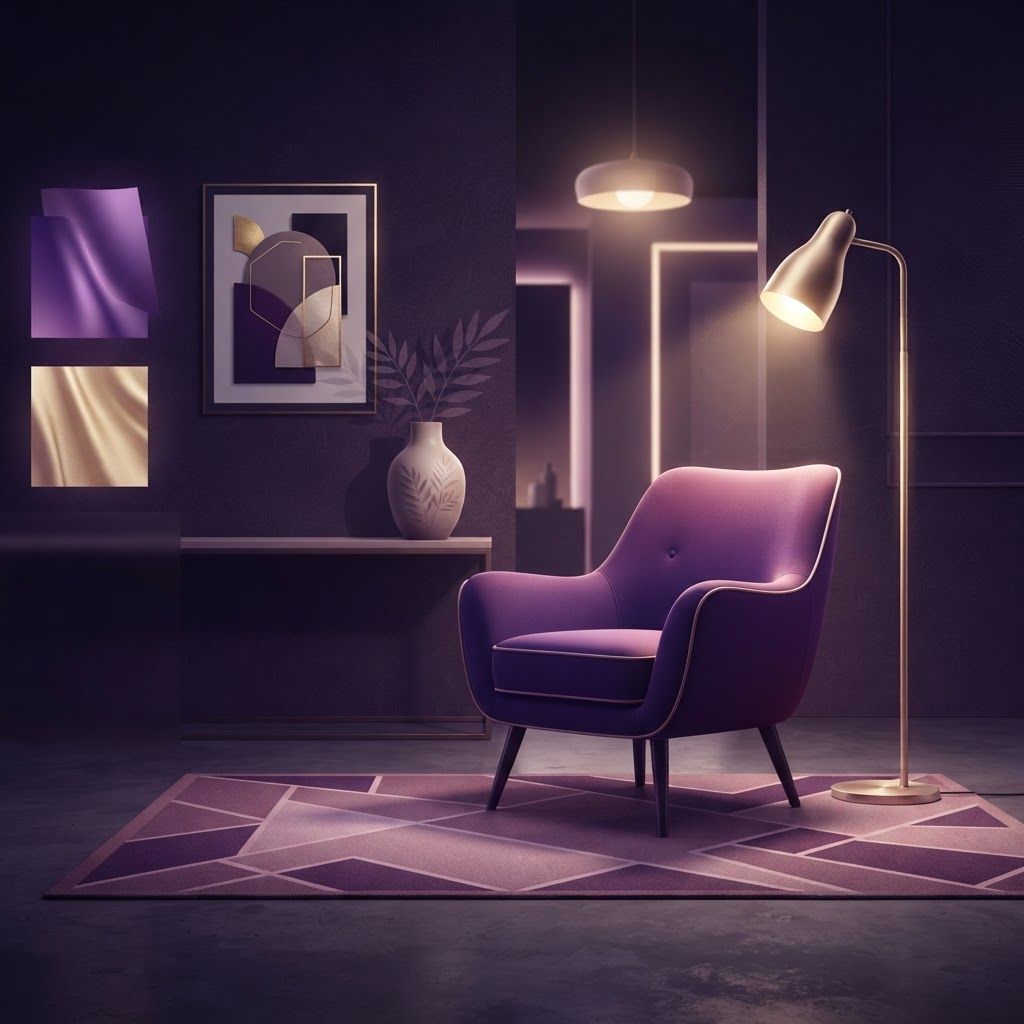
Second, warm neutral palettes with saturated accents. Deep greens, muted teals, terracotta, and dusty plum work well against Northwest light and against the greens visible through most Tacoma windows. Stark cool grays, dominant in the 2010s, have largely receded because they emphasize rather than counteract overcast light.
Third, texture as the primary decorative strategy. Because the region's light is diffuse rather than directional, texture reads more strongly than pattern. Wool throws, boucle upholstery, rough-glazed ceramics, jute rugs, and unlacquered brass all gain visual interest under soft light.
Fourth, indoor plants as architecture. Tacoma's plant culture is strong, and large specimens including fiddle leaf figs, monsteras, and ferns are used structurally to fill corners and soften hard geometry.
Practical Buying Advice for Local Homes
Measure before falling in love. Older Tacoma homes frequently have narrow stairwells, tight landings, and doorways under thirty inches, which eliminates many large sectionals and oversized dining tables. Ask retailers about disassembly options and confirm delivery access, including whether crews will navigate exterior stairs common on the city's sloped lots.
Consider scale carefully. Craftsman rooms are often modest in footprint with generous ceiling height, which favors furniture with visible legs, moderate depth, and vertical elements such as tall bookcases and floor lamps that draw the eye upward.
Invest selectively. Upholstered seating and mattresses justify spending because comfort and durability are directly experienced daily. Decorative accessories, by contrast, can rotate seasonally and are ideal candidates for vintage sourcing, which is a genuine strength of the Tacoma market.
Supporting Local Makers
One of the more rewarding aspects of decorating in Tacoma is the accessibility of regional craftspeople. Custom dining tables in locally sourced maple or walnut, hand-thrown stoneware, and small-batch textiles are available at prices competitive with mid-tier national retail, with far better durability and character. Studio visits and seasonal markets allow direct conversation about materials and finishes, and commissioned pieces can be sized precisely for the awkward dimensions common in older homes.
Final Thoughts
The best home decor brands in Tacoma span curated vintage warehouses, thoughtful local boutiques, national retailers with strong customization, and independent Northwest makers. The most successful local interiors combine them, using national brands for foundational upholstery, vintage sources for character and authenticity, and local artisans for the pieces that make a room specific. Design for the light you actually have, respect the proportions of your architecture, and choose materials that improve with wear.