
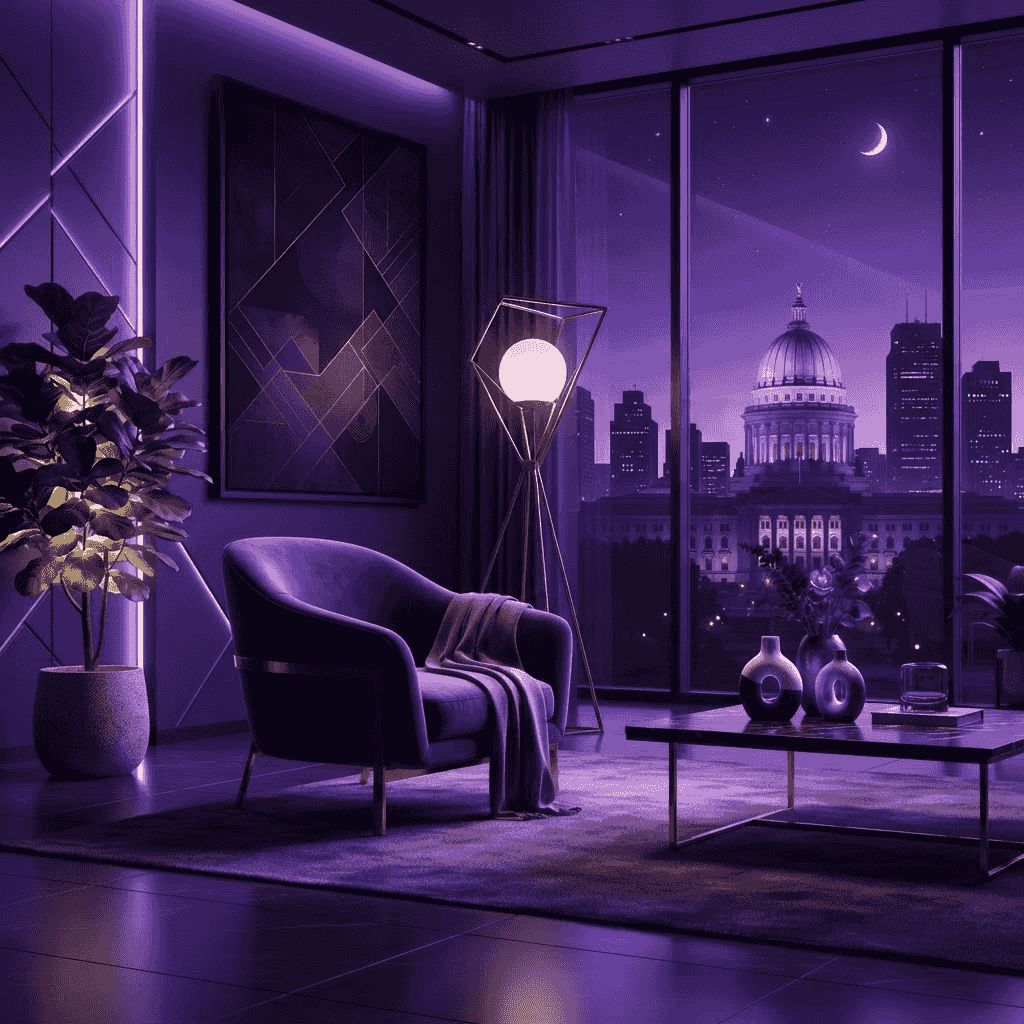
St. Paul's Distinct Approach to Home Decor
Interior style in St. Paul is shaped by two forces that rarely coexist elsewhere: a deep Nordic and Northern European cultural heritage, and a housing stock full of ornate Victorian, Craftsman, and Prairie School detail. The result is a local decor sensibility that blends restrained, functional Scandinavian design with warm materials and respect for original architectural character. Where other markets chase fast-turning trends, St. Paul buyers tend to favor pieces that age well.
Long winters reinforce that instinct. When residents spend five or six months primarily indoors, lighting quality, textile warmth, and furniture comfort stop being aesthetic preferences and become daily necessities. The brands that thrive here understand that decor has to perform, not just photograph well.
What to Look For in a Home Decor Brand
Material transparency is the first marker of quality. Solid hardwood construction, joinery you can inspect, natural-fiber upholstery, and finishes rated for real use outlast the particleboard alternatives that dominate the low end. The second marker is service: design consultation, in-home measuring, and delivery that includes assembly and packaging removal. The third is sourcing ethics, an area where Minnesota consumers ask unusually pointed questions about labor practices and forest certification.
The Top 10 Home Decor Brands in St. Paul
1. Nordic Nest Interiors
Nordic Nest built its following on a tightly curated Scandinavian aesthetic: pale ash and oak furniture, wool throws, ceramic tableware, and layered lighting designed for short winter days. The brand's strength is coherence — nearly anything from the collection works together — and its design staff are known for helping clients build a room over several seasons rather than pushing a single large purchase.
2. Grand Avenue Home Collective
A fixture of the Grand Avenue shopping corridor, this collective assembles work from multiple independent makers under one roof, spanning upholstered seating, art glass, hand-thrown pottery, and printed textiles. Shoppers come for the discovery experience and the ability to compare regional makers side by side, and the buyers refresh inventory frequently enough that repeat visits stay worthwhile.
3. Mississippi Timber & Craft
This maker-brand specializes in reclaimed-wood furniture, sourcing lumber from decommissioned Midwestern barns, warehouses, and river infrastructure. Dining tables, live-edge shelving, benches, and console pieces carry visible history — nail holes, saw marks, weathered patina — and each item ships with provenance details. The brand appeals strongly to owners of older St. Paul homes seeking pieces with comparable age and texture.
4. Cathedral Hill Design House
Cathedral Hill Design House operates as a hybrid retailer and interior design studio, focused on period-sensitive decor for the city's historic districts. Its inventory leans toward classic silhouettes, traditional patterned rugs, brass and bronze lighting, and window treatments suited to tall original casings. The in-house design team is a common choice for homeowners renovating a Victorian without wanting a museum result.
5. Lakeside Textiles & Living
Textiles are the entire proposition here: wool and cotton throws, linen bedding, upholstery fabric by the yard, custom drapery, and area rugs. The brand emphasizes natural fibers and low-impact dye processes, and its custom drapery workroom has become a quiet advantage in a market where standard-size window treatments rarely fit century-old openings.
6. Summit Modern Furnishings
Summit Modern serves the contemporary end of the market with clean-lined sectionals, modular storage, sculptural lighting, and minimalist case goods. Its buyers focus on scale, which matters in a city with many compact rooms and narrow stairwells; the brand publishes clearance dimensions and offers pre-purchase fit assessment, sharply reducing failed deliveries.
7. Como Pottery & Home
Rooted in the local ceramics tradition, Como Pottery produces stoneware vases, planters, lamp bases, serving pieces, and tile accents in small batches. Glazes are developed in house, often in muted greens, slate blues, and warm neutrals that read well against natural wood. The brand also runs workshops, which has built an unusually loyal customer community.
8. Heritage Hardwood Studio
Heritage Hardwood is a custom cabinetry and built-in specialist that has extended into freestanding decor: bookcases, window seats, mantels, and entry benches. Because much of its work is made to measure, the studio is frequently engaged for awkward spaces — under-stair nooks, dormer alcoves, and turret rooms — where standard furniture simply cannot fit.
9. Urban Prairie Decor
Drawing on Prairie School design vocabulary, Urban Prairie offers horizontal-emphasis furniture, art glass panels, geometric rugs, and warm-metal fixtures. The brand's contribution is interpretive rather than reproductive: pieces reference the tradition without imitating it, which suits homeowners who want continuity with the region's architectural legacy in a livable form.
10. River Bend Home Goods
River Bend covers the accessible, everyday end of decor — cushions, wall art, mirrors, seasonal accents, storage baskets, and small furniture — with frequent inventory rotation and approachable pricing. It has become a practical first stop for renters, students, and first-time buyers assembling a home quickly without committing to heirloom purchases.
Design Trends Influencing St. Paul Homes
Several patterns stand out locally. Layered artificial lighting has replaced single-fixture rooms as residents adapt to limited winter daylight. Warm neutral palettes with deep accent tones have displaced the all-gray interiors of the previous decade. Interest in vintage and secondhand sourcing continues to rise, both for sustainability reasons and because older pieces suit older houses. And multifunctional furniture — storage ottomans, extendable tables, convertible guest seating — is in steady demand as households use single rooms for work, exercise, and hosting.
How to Build a Cohesive Look
Start with the architecture rather than a mood board. A Craftsman living room with heavy oak trim rejects ultra-minimal furniture, while a modern infill build looks thin with heavy traditional pieces. Choose a limited palette and repeat it deliberately. Invest first in the items you touch daily — seating, mattresses, dining chairs — and economize on accents that will change. Finally, buy lighting early; it changes a room more than almost any other purchase.
Final Thoughts
St. Paul's decor market rewards patience. The brands listed above range from small-batch ceramicists and reclaimed-wood makers to full-service design houses, and collectively they make it possible to furnish a home here without defaulting to national chains. Understanding your home's architectural language, then matching it to the right local specialist, is what turns a collection of purchases into a coherent interior.