
A City with Genuine Design Culture
Providence occupies an unusual position in the American design landscape. The presence of a world-renowned art and design school has seeded the city with ceramicists, textile designers, furniture makers, printmakers and jewelers, many of whom stay after graduation. That creative density shows up in the local retail scene, which skews toward independent makers, curated boutiques and vintage dealers rather than exclusively national chains.
At the same time, the city's housing stock imposes its own aesthetic logic. Colonial, Federal, Victorian and mill-loft interiors each carry architectural character that decor must engage with rather than ignore. Furnishing a Benefit Street colonial is a different exercise than styling a converted industrial loft in the Valley.
Ten Home Decor Brands and Retailers Worth Exploring
Homestyle is a well-regarded local design shop offering contemporary furniture, lighting and accessories with a curated point of view.
Craftland showcases work by regional makers including ceramics, textiles, prints and small home goods, making it an excellent source for pieces with genuine provenance.
Simple Pleasures carries home accessories, gifts and decorative objects with an accessible, eclectic selection.
Nostalgia specializes in vintage and antique furnishings, valuable for sourcing period-appropriate pieces for older homes.
Rhode Island Antiques Mall aggregates numerous dealers under one roof, offering everything from furniture to lighting to decorative arts across many eras.
Bella Casa Home focuses on upholstery, textiles and soft furnishings that anchor living spaces.
Providence Picture Frame provides custom framing and art presentation, an often overlooked element that transforms how a collection reads on the wall.
Frog & Toad offers locally designed goods, prints and gifts with strong regional identity.
Stock Culinary Goods supplies well-designed kitchen and dining pieces that function as decor in open-plan spaces.
Cranston Street Studios and similar maker-led studios across the city produce custom ceramics, lighting and furniture for clients seeking one-of-a-kind pieces.
Styling Historic Interiors
The most common mistake in an old house is treating original architecture as background. Deep window casings, picture rails, plaster medallions, mantels and original floors are assets, and decor should frame them rather than compete.
Color strategy matters enormously. Historic homes often have smaller windows and deeper rooms than modern construction, which affects how paint reads. Saturated colors can work beautifully in rooms with strong trim, while lighter palettes open up shaded spaces. Testing large samples on multiple walls across different times of day is essential, since Providence light shifts dramatically between seasons.
Scale is the second consideration. Older rooms frequently have generous ceiling heights but modest floor dimensions. Tall, narrow furniture and vertical art arrangements suit these proportions better than the low, wide pieces designed for contemporary open plans.
Mixing Periods Successfully
The most compelling Providence interiors mix eras rather than replicating one. A mid-century chair in a Victorian parlor, a contemporary light fixture over an antique dining table, or modern art above an original mantel creates tension that feels considered rather than staged.
The discipline that makes mixing work is restraint in material and color. Limiting the palette and repeating a few materials across periods creates coherence. When everything varies simultaneously, rooms read as accumulation rather than design.
Vintage and antique sourcing is particularly practical here because solid wood furniture from earlier decades is frequently better constructed and less expensive than new equivalents, and it fits the architecture naturally.
Supporting Local Makers
Buying from regional ceramicists, weavers and woodworkers delivers advantages beyond ethics. Pieces are typically made in small runs, so interiors avoid the uniformity of catalog furnishing. Makers can often customize dimensions, finishes and colorways, which solves the fit problems that irregular historic rooms constantly present.
Seasonal craft markets and open studio events throughout the city offer direct access to makers and frequently better pricing than gallery retail. Building relationships with local artisans also creates a path to commissioned work for specific spaces.
Textiles, Lighting and Layering
Lighting is where most interiors fall short. Relying on a single overhead fixture flattens a room regardless of how good the furniture is. Layering ambient, task and accent lighting, with dimming control, transforms how a space feels, particularly during long New England winters when natural light is limited.
Textiles add the warmth that older plaster and wood interiors need. Wool rugs, linen curtains, layered cushions and throws soften acoustics and temperature perception simultaneously. Window treatments also perform real thermal work in drafty older homes.
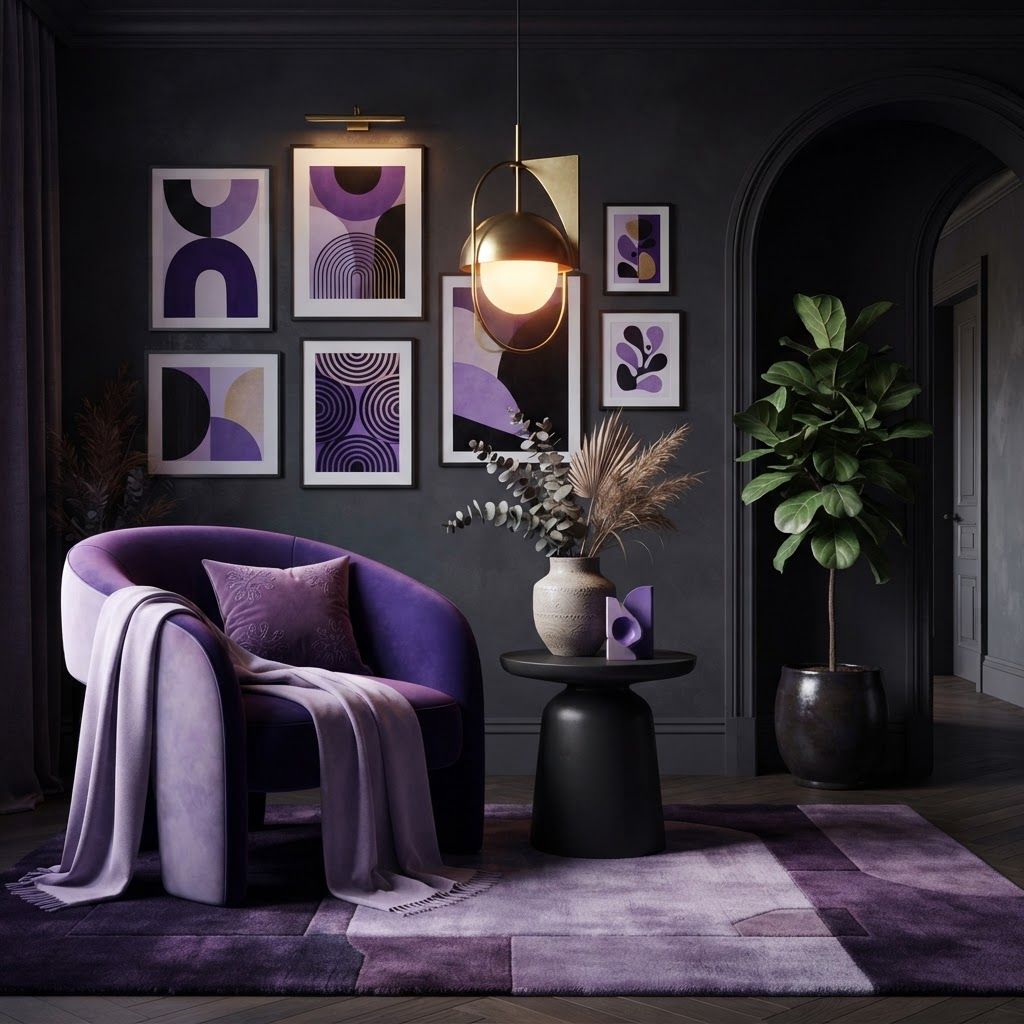
Art placement deserves deliberate thought. Hanging at appropriate eye level, grouping smaller works into cohesive arrangements and using proper framing all elevate modest pieces substantially.
Shopping Strategically
Build rooms in stages rather than furnishing everything at once. Invest in the pieces you touch daily, such as seating and mattresses, and economize on items that are primarily visual. Measure carefully, including doorways and stair turns, because the same access constraints that complicate moving also limit what furniture can physically enter a Providence apartment.
Conclusion
Providence rewards decorating that respects architecture while embracing the city's independent maker culture. Shop local studios and vintage dealers, mix periods with a disciplined palette, invest seriously in lighting and textiles, and let original details lead. The result is an interior that feels specific to this city rather than assembled from a catalog.