
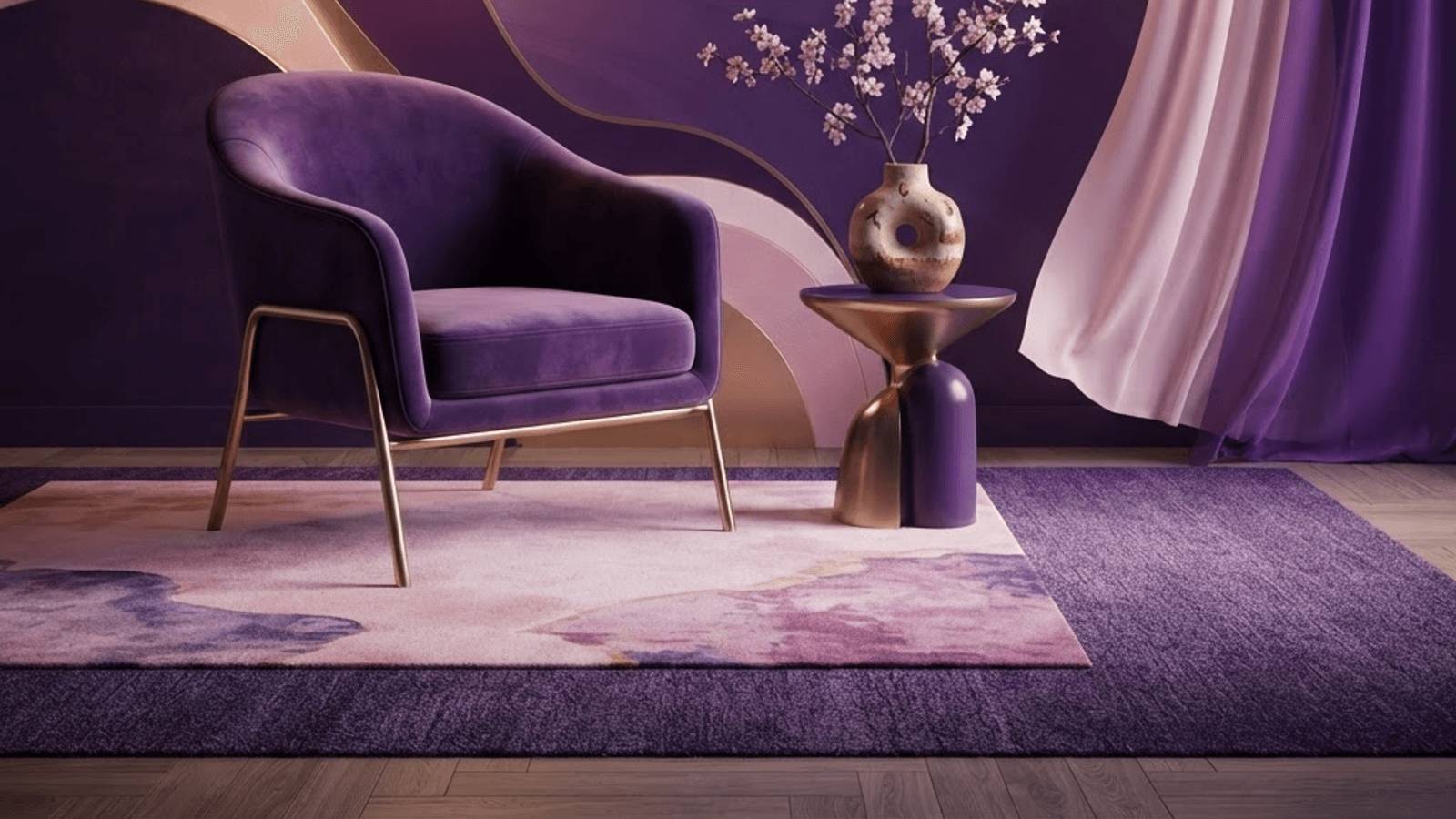
Decorating Homes With Character
Home decor in Macon-Bibb County is shaped by the architecture it inhabits. The county contains one of the larger concentrations of historic homes in Georgia, with Greek Revival, Italianate, Victorian, and Craftsman houses filling the Intown districts. These homes come with tall ceilings, deep window casings, original mantels, and heart pine floors — features that reward thoughtful decoration and punish generic furnishing.
At the same time, newer neighborhoods toward Rutland and north Macon feature open plans and contemporary proportions that suit a different vocabulary entirely. The result is a local decor market serving two quite different aesthetics, and the best brands understand which they are dressing.
Ten Home Decor Brands and Retailers Serving the County
1. Cherry Blossom Home Collection — A locally rooted brand producing seasonal textiles, cushions, and table linens inspired by the county's signature spring bloom.
2. Ocmulgee Interiors — Full-service furnishing with an in-house design team, emphasizing upholstered pieces sized correctly for older rooms.
3. Heritage Antique Gallery — Period furniture, mirrors, lighting, and decorative objects appropriate to historic district homes.
4. Vineville Home & Textile — Custom drapery, roman shades, and reupholstery with attention to the tall window proportions common downtown.
5. Southern Craft Furnishings — Solid wood furniture built regionally, offering dining tables, beds, and casegoods in traditional and transitional styles.
6. Riverbend Lighting Studio — Chandeliers, sconces, pendants, and lamps, including reproduction fixtures for period-appropriate restoration.
7. Bibb Rug & Floor Coverings — Area rugs across traditional, vintage-wash, and contemporary categories, with sizing guidance for open-plan rooms.
8. Rutland Modern Living — Contemporary furniture and decor for newer construction, favoring clean lines and neutral palettes.
9. Macon Artisan Ceramics & Wall Art — Locally made pottery, framed works, and sculptural objects that give rooms a sense of place.
10. Central Georgia Outdoor Living Decor — Porch and patio furnishing, weather-resistant textiles, and planters suited to humid conditions.
Designing for Historic Interiors
Older Macon homes present opportunities that newer construction cannot match: ceiling heights that accommodate substantial lighting, window casings that frame drapery beautifully, and original mantels that anchor a room without additional effort.
Scale is the most common mistake. Furniture designed for eight-foot ceilings looks undersized beneath twelve-foot ones, and low-profile contemporary sofas can appear lost in a formal parlor. Taller case pieces, generously proportioned mirrors, and full-length drapery hung close to the ceiling restore vertical balance.
Color also behaves differently in these homes. Deep, saturated tones that would overwhelm a small modern room read as rich and intentional against tall walls and substantial trim. Many historic district homeowners now choose historically informed palettes rather than defaulting to neutral.
Furnishing Contemporary Homes
Open-plan interiors require different thinking. Without walls to define function, area rugs, lighting placement, and furniture orientation become the tools that create rooms within rooms. Consistent flooring across an open plan means textiles carry most of the responsibility for zoning.
Sightlines matter more in open plans, since several areas are visible simultaneously. A coherent palette running through connected spaces prevents visual fragmentation, while varied textures keep it from feeling monotonous.
Textiles and the Local Climate
Middle Georgia's humidity and strong sun influence material selection. Natural fibers breathe well but fade in direct southern exposure; performance fabrics and solution-dyed acrylics hold color considerably longer. Linen suits the climate aesthetically and practically, though it wrinkles readily. Leather performs well indoors but can feel warm in summer without air conditioning.
Window treatments serve function as much as style. Lined drapery reduces solar heat gain significantly on west-facing windows, lowering cooling load while protecting furnishings and flooring from fading. In historic homes, interior shutters offer period-appropriate light control.
Antiques and the Local Market
Macon-Bibb County has a genuine antique culture, and incorporating older pieces gives interiors a depth that entirely new furnishings rarely achieve. Mixing periods works best with restraint: one or two substantial antique pieces anchoring a contemporary room, or a modern light fixture providing contrast in a traditional one.
When buying older furniture, inspect joinery, check for active insect damage in a region where wood-boring pests are present, and assess whether upholstered frames are sound before investing in new fabric. Reupholstering a well-built frame frequently costs less than buying a comparable new piece and produces a better result.
Trends Visible Locally
Several directions are evident. Warm earth tones, terracotta, and deep greens have displaced cool grays. Layered lighting with dimmers has replaced reliance on ceiling fixtures. Vintage and secondhand sourcing has gained status rather than being a budget compromise. Indoor plants and natural materials remain prominent. And outdoor rooms — covered porches furnished as seriously as interiors — continue to expand in a climate that supports them much of the year.
Building a Coherent Home Over Time
The most satisfying interiors are assembled gradually. Start with the pieces that determine everything else: seating scale, rug size, and lighting. Establish a limited palette and allow accessories to introduce variation. Buy fewer, better items rather than filling rooms quickly. And let the architecture lead — a home that respects its own bones will outlast any trend cycle.
Final Thoughts
Home decor brands serving Macon-Bibb County span antique galleries, custom textile workshops, regional furniture makers, and contemporary retailers. Choosing well means matching the vocabulary to the architecture, respecting scale, selecting materials suited to a humid climate, and building slowly. Done that way, a home reflects both its era and the people living in it.