
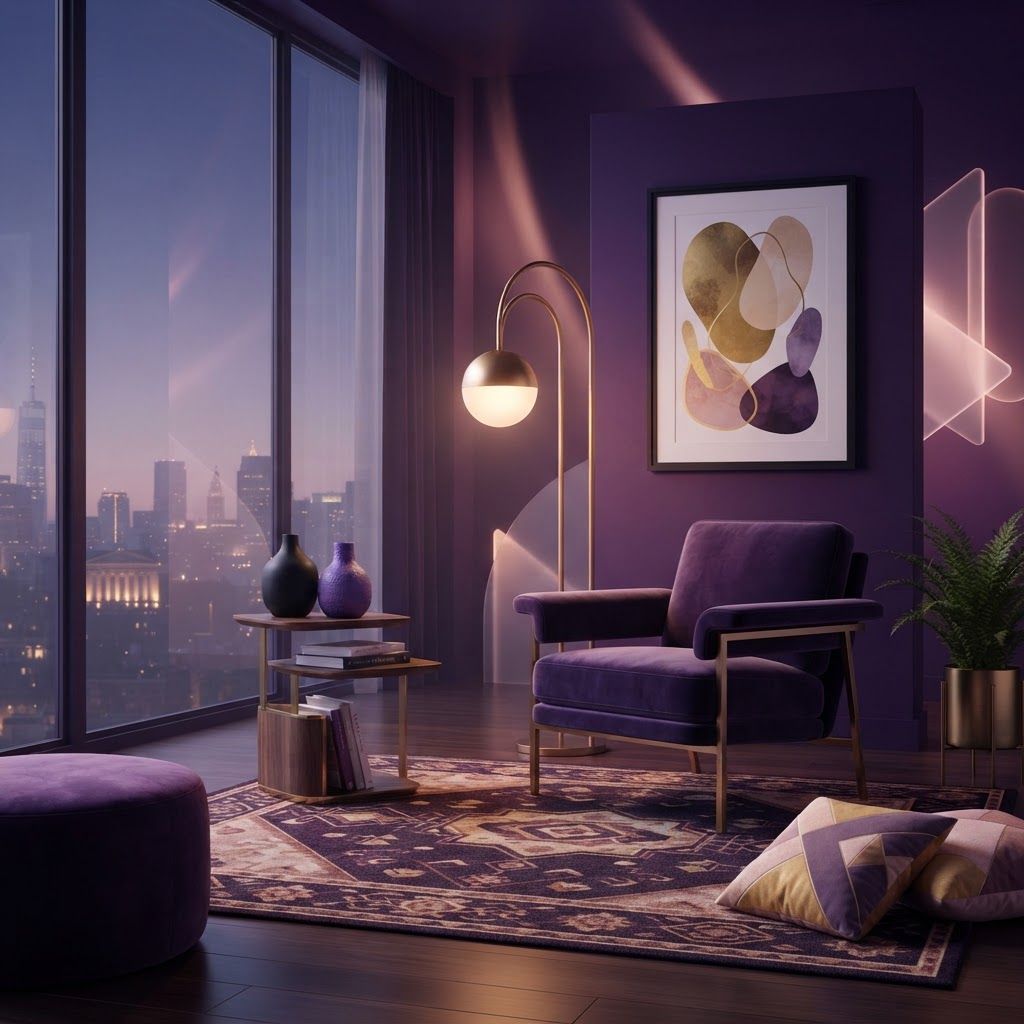
A Design Market With Real Character
Little Rock's home decor market reflects the city itself: a blend of traditional Southern sensibility, mid-century inventory left over from decades of suburban expansion, and a growing appetite for modern, texture-driven interiors. Shoppers here can find handmade Arkansas woodwork, genuine antiques, national-brand upholstery, and contemporary design pieces within a fairly small geographic radius.
What distinguishes the local scene is the density of independent retailers relative to the metro's size. Neighborhoods such as Hillcrest, the SoMa district, and the Heights support small design-oriented shops that would struggle in more homogenized markets, while West Little Rock carries the larger showroom footprints.
The Top 10 Home Decor Brands and Retailers in Little Rock
1. Cantrell Furniture Design Center — A long-standing local showroom offering upholstery, case goods, and in-house design consultation. Its strength is helping clients build coherent rooms rather than assembling unrelated pieces.
2. Fabulous Finds — A large consignment and resale destination where mid-century, traditional, and transitional pieces turn over constantly. Excellent for shoppers who enjoy discovery and value quality construction over newness.
3. Providence Design — A design studio and retail space known for curated accessories, lighting, textiles, and art, along with full interior design services for renovation and new construction projects.
4. Hank's Fine Furniture — A regional chain with substantial Little Rock presence, offering broad selection across price points with the practical advantage of in-stock delivery rather than long custom lead times.
5. Ballard Design and Home — Positioned toward classic and traditional interiors, with strong offerings in case goods, rugs, and window treatments for homeowners furnishing established Southern-style homes.
6. Marshall Clements — A Hillcrest institution combining antiques, garden ornaments, and eclectic decor. Popular with designers sourcing one-of-a-kind pieces that anchor a room.
7. Cynthia East Fabrics — A specialty fabric and trim resource supporting custom upholstery, drapery, and pillows. Essential for anyone pursuing a genuinely custom interior rather than catalog furnishings.
8. Arkansas Furniture Makers Collective — Represents regional craftspeople producing solid-wood dining tables, benches, and casework, often using locally sourced hardwoods with visible grain character.
9. Domestic Domestic — A modern-leaning shop in the SoMa area carrying contemporary housewares, ceramics, prints, and small-batch design objects that appeal to younger urban households.
10. Kohl's, Target, and HomeGoods Locations — National retailers with strong Little Rock presence, valuable for accessible pricing on textiles, storage, lamps, and seasonal decor that fills gaps between investment pieces.
How to Build a Room That Works
Successful interiors follow a rough hierarchy of investment. Spend the most on the pieces you touch daily and that carry structural load: sofas, mattresses, dining tables, and quality rugs. Mid-tier spending suits case goods, lighting, and window treatments. Accessories, seasonal textiles, and decorative objects should be the flexible layer, because taste changes faster than furniture wears out.
Balance also matters more than trend adherence. A well-composed room mixes at least three material families, typically wood, metal, and textile, and includes variation in height, weight, and finish. Rooms furnished entirely from one collection tend to read flat regardless of quality.
Design Considerations Specific to Little Rock Homes
Local housing stock influences decor decisions in practical ways. Historic homes in Hillcrest and the Quapaw Quarter feature tall baseboards, plaster walls, and original millwork that pair naturally with traditional and antique pieces, but they often have limited closet space, making storage furniture genuinely functional rather than decorative. Mid-century ranch homes in Broadmoor and Leawood have lower ceilings and open sightlines that favor lower-profile seating and horizontal emphasis. Newer West Little Rock construction offers volume and natural light that can absorb larger-scale pieces and bolder color.
Humidity is a real material consideration. Solid wood expands and contracts noticeably here, so quality joinery matters. Natural fiber rugs such as jute and sisal handle humidity well, while some delicate silks do not. Leather performs beautifully in the climate but should be kept out of direct sun exposure from south and west windows.
Trends in the Local Decor Market
Several patterns stand out. Warm, earthy palettes have displaced the cool gray dominance of the previous decade, with clay, olive, camel, and deep brown appearing widely. Texture has replaced pattern as the primary visual interest, delivered through boucle, linen, plaster finishes, and hand-thrown ceramics. Vintage and secondhand shopping has become mainstream rather than budget-driven, valued for both sustainability and construction quality. Finally, demand for locally made furniture continues to rise as buyers seek pieces with provenance and repairability.
Shopping Strategy That Saves Money
Measure before you shop, including doorways and stair turns. Photograph your room with existing pieces so you can evaluate scale honestly. Request fabric samples and live with them in your actual light for several days, since Little Rock's strong southern light shifts color perception dramatically. Shop consignment first for case goods, where construction quality from earlier decades often exceeds current mass-market equivalents at lower cost. Reserve custom orders for upholstery, where fit, comfort, and durability justify the lead time.
Final Thoughts
Little Rock offers enough range to furnish a home entirely locally, from antique anchors to modern accents to handmade hardwood pieces. Prioritize durable investment items, use national retailers for the flexible layer, and let the character of your specific house guide the direction rather than following trends imported from unrelated markets.