
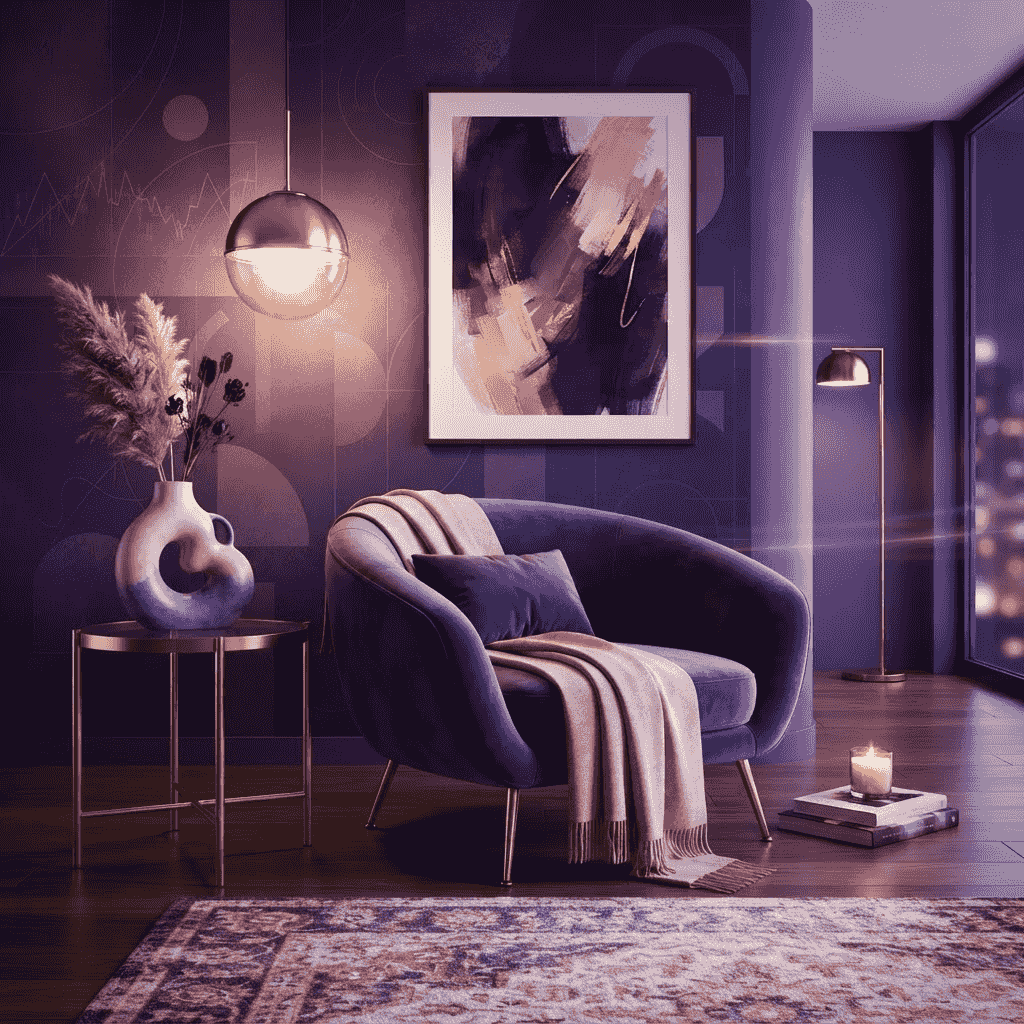
A Decor Identity Rooted in Place
Lexington's interior aesthetic is unusually distinct for a mid-size American city. The influence of horse country shows up in leather, brass, dark woods, equestrian art, and heritage textiles. The Southern tradition contributes layered comfort, generous seating, and hospitality-oriented dining spaces. A younger design current, driven by downtown lofts and renovated bungalows, brings clean lines, natural materials, and restrained palettes.
The result is a market where a single home might pair an antique walnut sideboard with a contemporary linen sectional and locally made ceramics. Retailers and brands serving Lexington have adapted by offering both classic pieces built to last generations and flexible modern furnishings for smaller, evolving spaces.
Ten Home Decor Brands and Retailers in Lexington
1. Bluegrass Home Furnishings serves the classic end of the market with hardwood case goods, upholstered seating, and design consultation for whole-room planning.
2. Peggy's Gifts and Accessories is a long-standing local source for decorative accessories, seasonal decor, tabletop pieces, and gifts that reflect regional taste.
3. Wilson Nurseries Home and Garden extends beyond plants into outdoor furnishings, planters, and garden decor suited to Kentucky's climate and porch culture.
4. Arts Place Collective represents the locally made segment, where Kentucky artisans produce pottery, textiles, woodwork, and original art that give interiors genuine regional character.
5. Furniture Fair of Lexington offers broad selection across price points, useful for furnishing an entire home efficiently with coordinated collections.
6. Sheila Bayes Interiors operates at the design-forward end, combining custom upholstery, fabric selection, and window treatments with full interior design services.
7. Bluegrass Antique Market supplies the vintage and heirloom layer that Lexington interiors rely on, from farm tables and armoires to equestrian prints and brass accents.
8. Ashley HomeStore Lexington covers the value and volume category with fast availability, complete room packages, and frequent style refreshes for renters and first-time buyers.
9. Kentucky Wood Works focuses on custom and semi-custom furniture built from regional hardwoods, appealing to buyers who want dimensions and finishes tailored to specific rooms.
10. Hazel and Oak Home curates the modern side of the market with neutral palettes, natural fibers, ceramics, and lighting for renovated downtown properties and newer suburban builds.
How to Build a Cohesive Interior
Start with architecture rather than trends. A 1920s bungalow with picture rails and original trim reads differently than an open-plan new build, and successful interiors respond to that structure. Identify the room's fixed elements: window placement, flooring, ceiling height, and light quality, then choose scale accordingly. Oversized sectionals overwhelm small historic living rooms, while delicate furniture disappears in tall open spaces.
Limit the palette. Three to five colors across a room, including neutrals, produces calm cohesion. Vary texture instead of adding more hues: wool, linen, leather, ceramic, and wood create depth without visual noise. Lighting deserves equal attention, layered across ambient, task, and accent sources rather than relying on a single overhead fixture.
Investment Pieces Versus Flexible Pieces
The practical rule is to invest where use is heaviest and replacement is disruptive. A well-built sofa frame, a solid dining table, and a quality bed frame justify their cost over decades. Accent chairs, side tables, textiles, lamps, and decorative objects can rotate as taste changes, which keeps a home current without repeated major expense.
Locally made and antique pieces often outperform mass-produced furniture in longevity and character. Solid hardwood construction, dovetail joinery, eight-way hand-tied springs, and repairable upholstery are the markers worth asking about.
Regional Trends Worth Noting
Equestrian influence continues but has become subtler, appearing through leather, saddle stitching, and muted greens and browns rather than literal horse imagery. Warm woods have replaced the gray-washed finishes that dominated the previous decade. Vintage and secondhand sourcing has grown sharply as buyers pursue both sustainability and uniqueness, and Lexington's antique market supports that well.
Outdoor rooms are also expanding decor budgets. Porches and covered patios are being furnished with the same care as living rooms, using weather-resistant fabrics, outdoor rugs, and permanent lighting, extending usable living space through Kentucky's long shoulder seasons.
Shopping Strategy for Lexington Buyers
Measure before shopping, including doorways and stairwells, since older homes create genuine delivery constraints. Bring flooring and paint samples to evaluate undertones in store lighting. Ask about lead times, since custom upholstery frequently requires several months. Confirm delivery, assembly, and return policies before purchase, and inquire whether design consultation is complimentary with purchase, as several local retailers offer it.
Final Thoughts
Lexington's decor market rewards a mixed approach: invest in a few well-made anchors, layer in locally made and vintage pieces for character, and use accessible retailers for flexible items. Whether the goal is traditional Bluegrass warmth or restrained modern calm, the strongest interiors here respond honestly to the home's architecture and to how the household actually lives.
Trends Shaping Lexington Interiors
Local design preferences have moved away from uniformly grey palettes toward warmer neutrals, layered natural materials, and considered use of saturated color in smaller rooms such as studies and powder rooms. Reclaimed and locally milled wood remains popular, partly for its appearance and partly because it connects a house to the surrounding agricultural landscape. Interest in vintage and antique pieces has strengthened, with buyers increasingly willing to mix genuinely old furniture into contemporary rooms rather than purchasing complete matched sets.
Functionally, homeowners are investing more in lighting than in any other single category, recognizing that layered ambient, task, and accent lighting changes a room more dramatically than new furniture. Window treatment quality has also risen in priority as households address both light control and summer heat gain. Custom upholstery lead times remain long, which has pushed many buyers toward reupholstering existing frames, a choice that frequently yields better construction than newly manufactured alternatives at comparable cost.
Practical Advice for Furnishing a Lexington Home
Measure before purchasing, particularly in older homes where doorways, stair turns, and ceiling heights impose real constraints on large pieces. Prioritize spending on items used daily, seating and mattresses above all, and economize on decorative accessories that can be replaced inexpensively as taste evolves. Ask about frame construction and cushion composition rather than judging upholstered furniture by appearance alone. Where a room must serve multiple purposes, which is increasingly common, plan storage into the furniture selection rather than adding it later.