
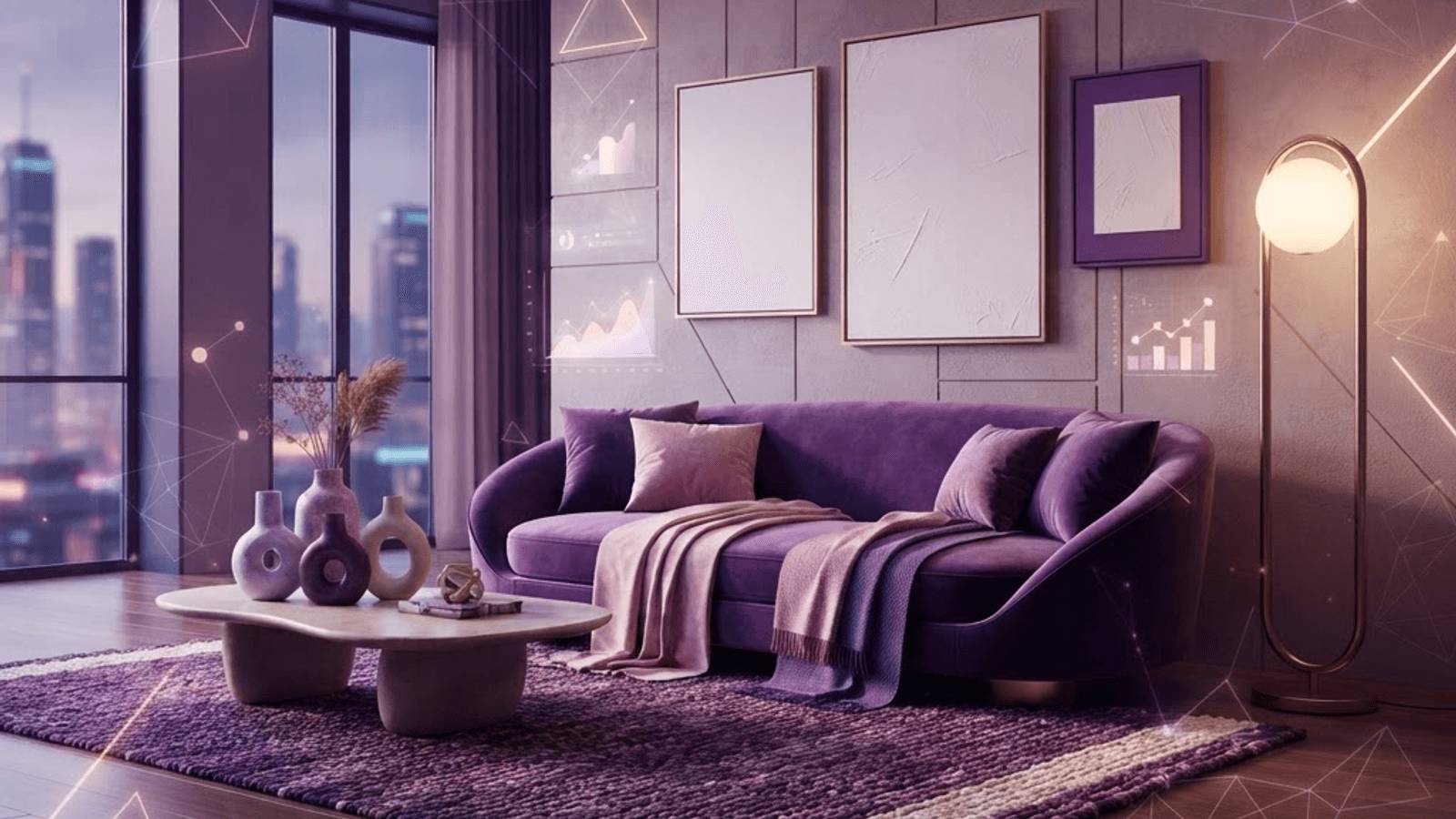
Home decor is where personality enters a building. Construction determines the shape of a space, but furniture, textiles, lighting and objects determine how it feels to be in it. Lakewood has developed a genuinely interesting decor market, combining independent workshops producing small runs with larger brands offering consistency and scale. Understanding what each type does well makes it far easier to furnish a home coherently rather than accumulating pieces that never quite settle together.
How to Think About Furnishing
The most effective approach is to separate long-term investments from short-term expression. Sofas, beds, dining tables and storage are used daily for many years, and quality is immediately noticeable in their comfort and durability. Cushions, throws, artwork, smaller lighting and accessories change more easily and are where seasonal or trend-driven choices belong. Spending proportionally more on the former and keeping the latter flexible produces interiors that feel considered without becoming dated.
How These Brands Were Selected
Assessment considered material and construction quality, design consistency, range breadth, sustainability practices, customisation options, aftercare and repairability, and overall value at the price point each brand occupies.
The Top 10 Home Decor Brands in Lakewood
1. Northwood Furniture House
A long-established furniture brand producing solid hardwood dining tables, sideboards and bed frames with traditional joinery. Pieces are built to be repaired rather than replaced.
2. Linen & Loom
Specialising in natural-fibre textiles, Linen & Loom produces bedding, curtains, table linen and throws in linen, cotton and wool, with a restrained palette that layers easily.
3. Kiln Street Ceramics
A studio pottery brand making tableware, vases and planters in small batches. Its glazes and forms have become recognisable across local interiors.
4. Lumen Field Lighting
Lumen Field designs pendant lights, floor lamps and wall fittings with an emphasis on quality of light rather than fixture styling alone, offering replaceable components.
5. Atlas Upholstery Studio
Atlas builds sofas and armchairs to order with hardwood frames, sprung seats and a wide fabric selection, including the option to reupholster existing frames.
6. Terracotta & Fern
A plant and interior greenery specialist supplying indoor planting, containers and styling advice, with practical guidance on light levels and maintenance.
7. Marlowe Rug Company
Marlowe stocks hand-knotted, flatweave and tufted rugs in wool and natural fibres, with attention to construction density and appropriate sizing for rooms.
8. Ironleaf Metal Works
Ironleaf produces shelving, console tables, screens and hardware in steel and brass, favoured for industrial and contemporary schemes requiring bespoke dimensions.
9. Salvage & Story
A reclaimed and vintage specialist sourcing restored furniture, salvaged architectural pieces and one-off objects, appealing to those seeking character over uniformity.
10. Quietly Modern Interiors
A contemporary brand offering modular storage, minimalist shelving and clean-lined furniture, with a focus on adaptable systems that can be reconfigured over time.
Judging Quality
With upholstery, ask about the frame material and whether joints are dowelled and glued rather than stapled, and about the seat construction beneath the cushions. With case furniture, look at drawer construction, whether backs are solid or thin panel, and whether edges are properly finished. With textiles, consider fibre content, weight and weave density rather than pattern alone. With rugs, higher knot or tuft density generally indicates greater durability. With lighting, check whether the light source is replaceable, since integrated units that cannot be changed become disposable objects.
Building a Coherent Scheme
Start with a limited palette and allow variation within it rather than introducing many competing colours. Repeat materials across a room so that timber, metal and textile finishes relate to one another. Vary scale deliberately, mixing larger anchoring pieces with smaller items so a room has rhythm. Pay attention to lighting layers, combining ambient, task and accent sources rather than relying on a single ceiling fitting. And leave some space unfilled, because visual breathing room is what makes a curated interior feel calm rather than crowded.
Sustainability Considerations
Longevity is the most meaningful sustainability measure in furnishing. A well-made sofa that is reupholstered twice outlasts several cheap replacements. Look for brands offering repair services, replacement parts and responsibly sourced timber. Reclaimed and vintage pieces carry no new manufacturing footprint at all and often exceed contemporary construction standards.
Measuring and Planning Before You Buy
Most furnishing regrets are dimensional rather than aesthetic. Measure the room, then measure the route the item must travel: doorways, stair turns, landings and lift dimensions all constrain what can physically be delivered. Mark out furniture footprints on the floor with tape to test circulation space before ordering, allowing generous clearance for walkways and for chairs pulled back from a table. Consider sightlines from doorways and from seated positions, since a piece that works in plan may block a view or a window. Check ceiling height before selecting pendant lighting, and confirm curtain pole projection against radiator and window reveal positions. Rug sizing deserves particular attention, because a rug that is too small makes a room feel disjointed while a correctly scaled one anchors the entire arrangement.
Final Thoughts
The strongest home decor brands in Lakewood are the ones making things intended to be kept. Buy the pieces you use daily as well as you can afford, keep accessories flexible, and allow a scheme to develop gradually rather than completing a room in a single purchase. Interiors assembled patiently almost always feel better than those assembled quickly.