
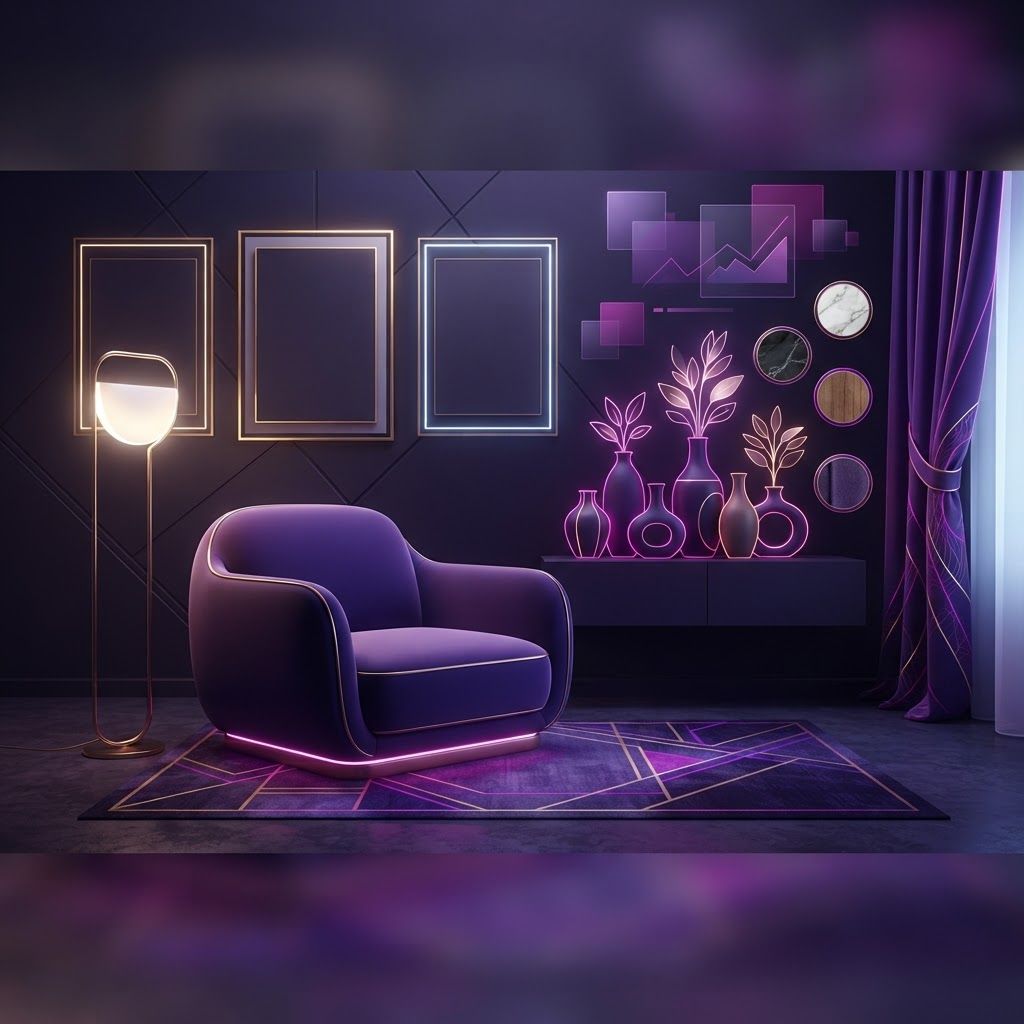
Huntsville Has Grown Into a Design Market
A decade ago, serious home decor shopping in North Alabama often meant a drive to Nashville, Birmingham, or Atlanta. That has changed. Population growth, rising household incomes tied to aerospace and technology employment, and a surge in new construction have made Huntsville a legitimate destination for furniture and interior goods. The result is a mix of national retailers, regional furniture houses, boutique studios, and local makers working in wood, textiles, and ceramics.
The city also has a distinct design sensibility. Traditional Southern warmth blends with the clean, functional preferences of an engineering-heavy population. You see it in the popularity of transitional style: classic silhouettes, restrained ornamentation, natural materials, and a neutral base layered with meaningful color.
The Top 10 Home Decor Brands and Retailers in Huntsville
1. Bennett Furniture and Interiors. A regional name offering full-service interior design alongside furniture retail. Strong on case goods, upholstery customization, and window treatments, with designers who work from floor plans rather than showroom guesswork.
2. Southern Home Furnishings. Known for solid wood dining and bedroom collections plus a broad selection of accent pieces. A common stop for buyers replacing builder-grade furniture in new subdivisions.
3. Rocket City Home Collective. A locally curated shop featuring work from Alabama makers including handcrafted tables, ceramics, textiles, and framed art. Popular for one-of-a-kind pieces that anchor a room.
4. Ashley HomeStore Huntsville. A national brand with wide inventory and quick availability across price tiers, useful for furnishing an entire home on a defined timeline.
5. Valley Interiors Studio. A boutique design studio combining furniture sourcing with full-service styling, color consultation, and installation for clients who want a finished result rather than a shopping list.
6. HomeGoods Huntsville. The reliable choice for rotating accessories, lighting, mirrors, rugs, and seasonal decor at accessible prices. Best used for layering rather than foundational pieces.
7. Monte Sano Woodworks. A local maker producing custom dining tables, benches, floating shelves, and built-ins from regional hardwoods. Lead times are longer, but the pieces are genuinely heirloom quality.
8. Tennessee Valley Rug and Textile. Specialists in area rugs, drapery fabrics, and upholstery textiles, including natural fiber options suited to humid climates.
9. Cottage Lane Home. A charming boutique focused on lighting, decorative objects, table settings, and gift items, frequently cited for helpful staff who assist with scale and proportion decisions.
10. Arsenal Modern Home. A contemporary-leaning retailer stocking clean-lined seating, modular storage, and minimalist lighting for buyers who prefer modern over traditional.
Building a Cohesive Interior
Great rooms are rarely the result of buying an entire matched set. The stronger approach is a layered one. Begin with a limited palette, generally three to five colors including neutrals, and let it repeat across rooms so the home reads as one continuous space. Then invest in foundational pieces that get used daily: a well-built sofa, a real dining table, and quality mattresses. These are the items where construction quality shows over years.
Layer texture next. Wood, woven fiber, linen, leather, ceramic, and metal in the same room create depth that color alone cannot. In humid climates, natural fibers like jute, wool, and cotton perform well and age gracefully, while some synthetic blends offer easier maintenance in high-traffic households.
Lighting is the most under-appreciated decor category. Aim for three layers in every room: ambient light from ceiling fixtures, task light from lamps positioned where people actually read or work, and accent light that highlights art or architecture. Dimmers transform how a space feels at different times of day and cost very little to install.
Scale, Proportion, and Common Mistakes
The most frequent error in newly built Huntsville homes is furniture that is too small for the room. Great rooms with high ceilings swallow modest sofas and small rugs. Measure the space, tape out furniture footprints on the floor, and choose an area rug large enough that the front legs of all seating rest on it.
Art hung too high is the second common mistake. Center the piece at roughly eye level, and when hanging above furniture, keep a modest gap so the art relates to the piece below it. Gallery walls work best when spacing between frames stays consistent.
Finally, resist filling every surface. Negative space is what allows the pieces you love to register. Editing a room often improves it more than adding to it.
Shopping Strategy That Saves Money
Split your budget deliberately. Spend on the items that carry weight and get daily use, and economize on accessories that you may want to change in a few years. Buy the sofa new for construction quality and frame warranty; buy the console table or accent chairs from local makers or secondhand sources where character matters more than warranty.
Ask about floor models and clearance sections, which frequently offer substantial savings on pieces with minor cosmetic wear. For custom upholstery, request fabric samples and view them in your own lighting before committing, since showroom light distorts color considerably.
Confirm delivery details up front: lead time, whether assembly is included, and whether the crew will remove packaging. For custom work from local makers, expect longer timelines and plan around them rather than rushing the maker.
Final Thoughts
Huntsville now supports a decor market deep enough to furnish a home without leaving the region. Combine the reach of national retailers with the character of local makers and the guidance of boutique design studios. Anchor your rooms with quality foundational pieces, keep a disciplined palette, respect scale, and layer light. The result is a home that feels considered rather than assembled.