
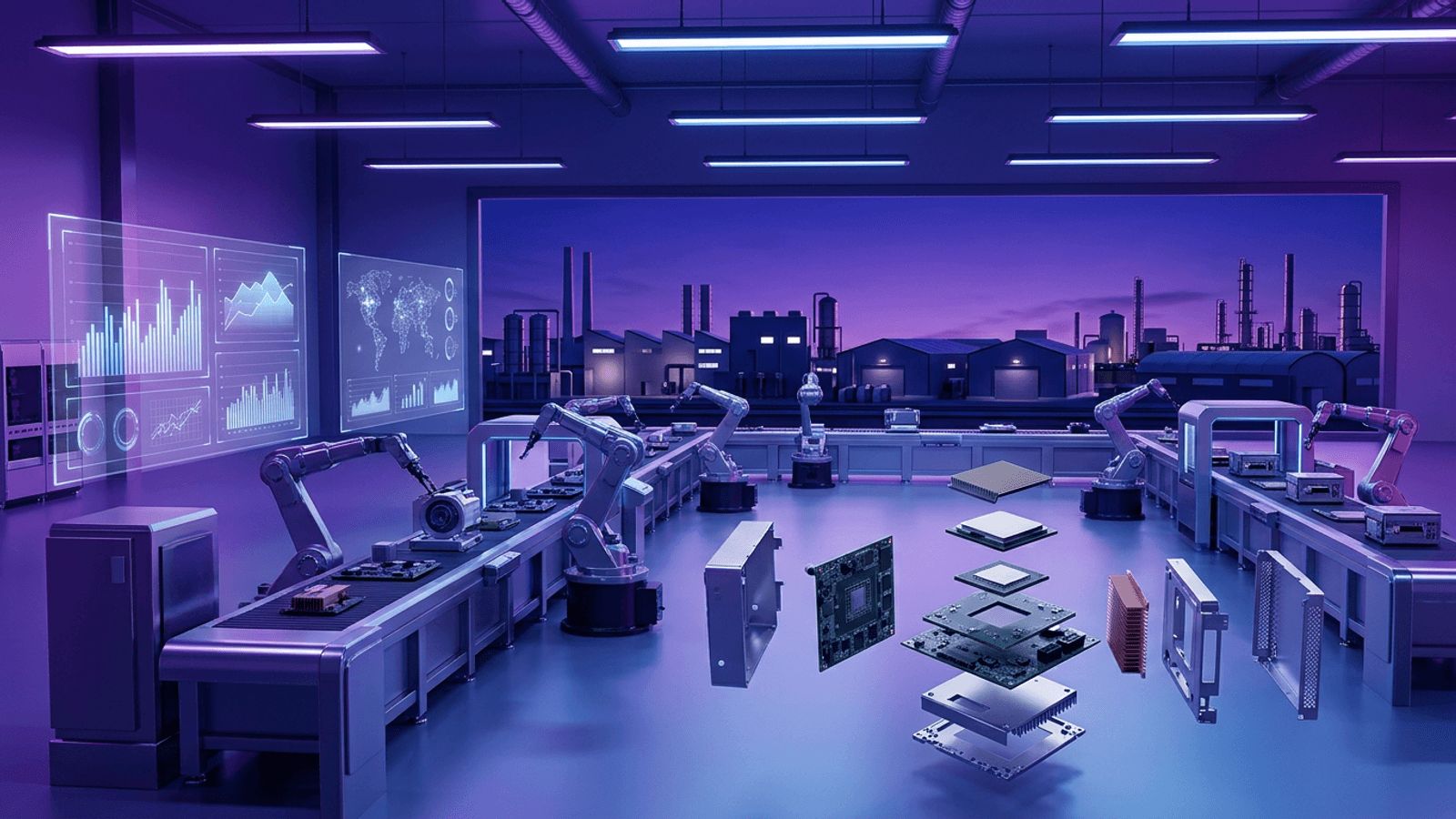
Hardware and Temple's Technology Ecosystem
Temple sits in the heart of one of the most important technology manufacturing regions in the United States. The I-35 corridor connecting Dallas, Austin, and San Antonio is home to semiconductor fabrication plants, computer manufacturers, and electronics companies that supply the world. Major chip investments in nearby Taylor and the long-established hardware presence in Austin and Round Rock have strengthened Central Texas's reputation as a hardware powerhouse.
For Temple organizations, reliable hardware is the foundation of daily operations. Hospitals need dependable workstations and medical devices, schools rely on laptops and networking equipment, distribution centers use scanners and rugged devices, and small businesses depend on computers, printers, and point-of-sale systems. The manufacturers below were selected for product quality, reliability, support, innovation, and relevance to Texas and the Temple market.
The Top 10 Hardware Manufacturers
1. Dell Technologies
Headquartered in Round Rock, about an hour south of Temple, Dell Technologies is one of the world's largest computer manufacturers. Its laptops, desktops, servers, and storage solutions are used extensively by businesses, schools, and healthcare organizations throughout Central Texas. Dell's enterprise support and configuration options make it a trusted partner for IT departments.
2. Samsung Electronics
Samsung has made major semiconductor investments in Central Texas, including its fabrication facility in Taylor. Beyond chips, Samsung produces smartphones, displays, memory, and storage devices used by consumers and businesses across Temple.
3. Texas Instruments
Based in Dallas, Texas Instruments is a global leader in analog and embedded processing semiconductors. Its chips power industrial equipment, automotive systems, medical devices, and consumer electronics, and its expanding Texas manufacturing footprint supports the state's technology economy.
4. Apple
Apple maintains one of its largest campuses outside California in Austin. Its iPhones, iPads, and Mac computers are popular among Temple professionals, students, and creative businesses, valued for their design, security, and seamless integration.
5. HP Inc.
HP produces laptops, desktops, printers, and workstations used widely in offices and schools. Its printing solutions are especially common in healthcare facilities, government offices, and small businesses throughout Temple.
6. Lenovo
Lenovo is the world's largest PC manufacturer by volume, known for its ThinkPad business laptops and reliable desktops. Organizations appreciate Lenovo's durable build quality, security features, and competitive pricing.
7. Cisco
Cisco manufactures networking hardware including routers, switches, wireless access points, and security appliances. Its equipment forms the backbone of networks in hospitals, universities, and enterprises across Central Texas.
8. Intel
Intel designs and manufactures processors that power a large share of the world's computers and servers. Its technology is found in many of the laptops and workstations used by Temple businesses and institutions, and it maintains a significant engineering presence in Austin.
9. AMD
AMD produces high-performance processors and graphics chips for PCs, data centers, and gaming systems. With a major campus in Austin, AMD is a key contributor to Central Texas's semiconductor workforce and innovation.
10. Zebra Technologies
Zebra Technologies manufactures barcode scanners, mobile computers, and label printers used heavily in logistics, warehousing, healthcare, and retail. Temple's strong distribution sector relies on rugged devices like these to track inventory and shipments efficiently.
Hardware Trends in Central Texas
Semiconductor manufacturing is expanding rapidly across Texas, creating jobs and strengthening domestic supply chains. Central Texas is benefiting from new fabrication plants, research facilities, and supplier networks that support the industry.
Artificial intelligence is driving demand for specialized hardware, including powerful processors, graphics units, and high-capacity data center infrastructure. Meanwhile, AI-enabled laptops with built-in neural processing units are entering the business market.
Sustainability is also influencing hardware choices. Organizations increasingly look for energy-efficient devices, recycling programs, and longer product lifecycles. Device management and security features have become essential as hybrid work expands the number of endpoints organizations must protect.
How to Choose Business Hardware
Evaluate hardware based on performance requirements, durability, warranty coverage, and total cost of ownership. Standardizing on a limited number of models simplifies support and maintenance. Consider security features such as hardware encryption and secure boot.
Work with a local IT provider to plan purchases, manage deployment, and handle repairs. Many Temple managed service providers offer hardware procurement services that help businesses obtain the right equipment at competitive prices.
Frequently Asked Questions
How often should businesses replace computers?
Many organizations replace business computers every three to five years, depending on usage, performance needs, and warranty coverage. Regular refresh cycles reduce downtime, improve security, and keep employees productive.
Is it better to buy consumer or business-grade hardware?
Business-grade devices typically offer stronger build quality, longer warranties, better security features, and more consistent configurations. These advantages often outweigh the higher upfront cost for organizations that depend on reliable technology.
How should old hardware be disposed of?
Use certified recycling programs that securely wipe or destroy data storage devices. Many manufacturers and IT providers offer take-back programs that support responsible recycling and protect sensitive information.
Conclusion
Temple benefits from its location in one of America's leading hardware regions. Texas-based giants like Dell Technologies and Texas Instruments, major investors like Samsung, Apple, and AMD, and industry leaders such as Cisco, Lenovo, and Zebra Technologies provide the equipment that keeps local organizations running. By choosing reliable hardware and planning strategically, Temple businesses can build technology foundations that support long-term growth.