
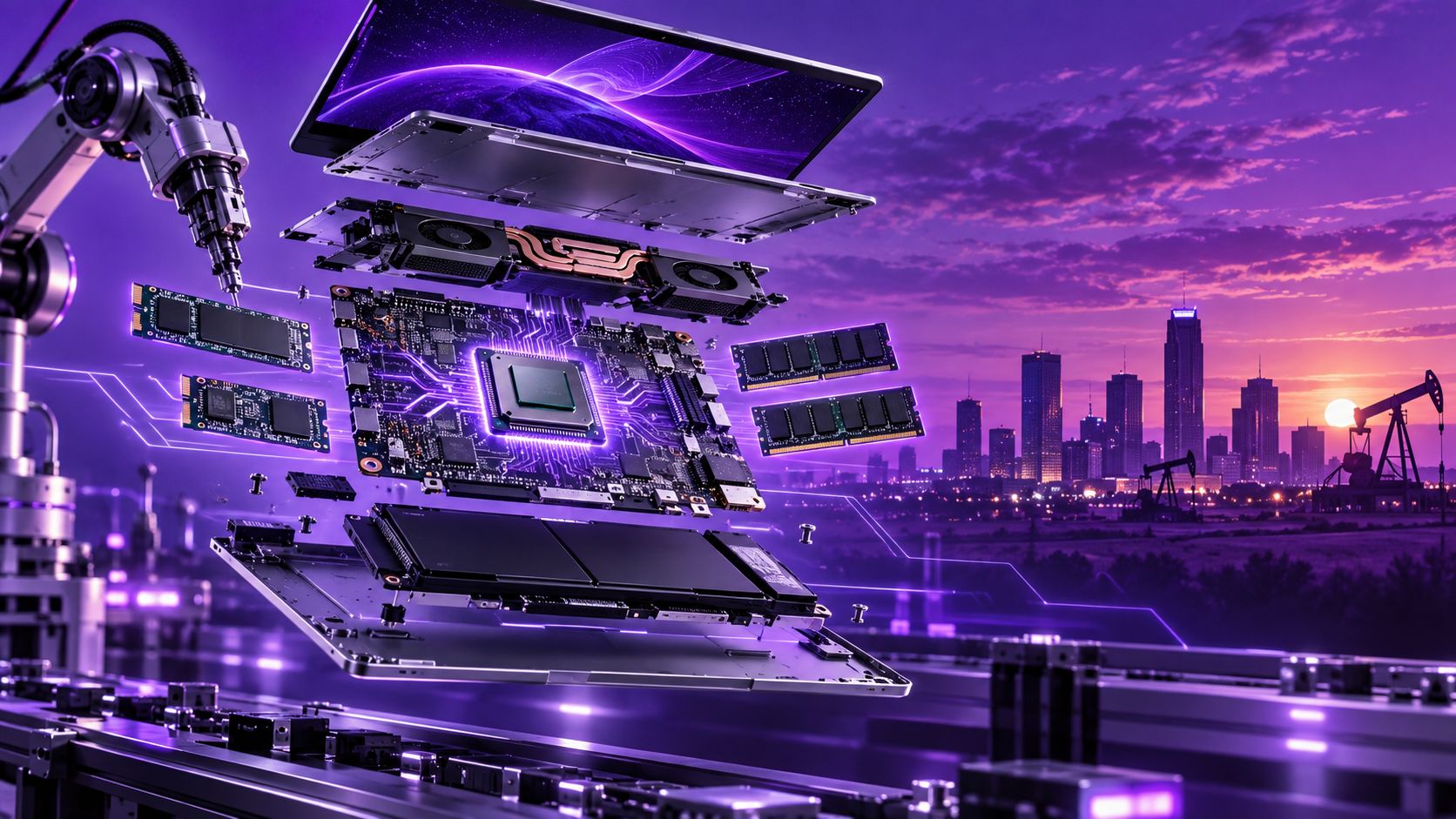
Hardware That Works as Hard as Midland
Technology in Midland faces unusual demands. Laptops ride along in dusty pickup trucks, tablets are used on sun-baked well pads, and servers in field offices must run reliably despite heat and unstable power. At the same time, geoscientists need powerful workstations for seismic interpretation, hospitals need dependable medical and computing equipment, and schools need affordable devices for students.
Choosing the right hardware manufacturer affects productivity, reliability, and total cost of ownership. The companies below are recognized for quality, innovation, and support, and several are headquartered right here in Texas.
How We Evaluated These Manufacturers
We assessed manufacturers on product reliability, performance, durability, enterprise support, warranty options, innovation, and relevance to industries in Midland. We included makers of computers, networking equipment, semiconductors, and rugged devices.
The Top 10 Hardware Manufacturers for Midland
1. Dell Technologies
Headquartered in Round Rock, Texas, Dell is one of the world's largest computer makers. Its Latitude laptops, Precision workstations, and PowerEdge servers are staples in Midland offices, and its Latitude Rugged line is built to withstand drops, dust, and extreme temperatures in the field.
2. HP Inc.
HP produces business laptops, desktops, workstations, and printers trusted by organizations worldwide. Its Z by HP workstations deliver the power engineers need for modeling and visualization, while its EliteBook line offers strong security features.
3. Apple
Apple, which operates a major campus in Austin, makes Mac computers, iPads, and iPhones known for design, security, and longevity. iPads are increasingly used by field crews for digital forms and inspections, and Macs are popular among creative professionals.
4. Lenovo
Lenovo is the world's largest PC maker by volume. Its ThinkPad laptops are legendary for durable keyboards and reliability, and its ThinkStation workstations and servers serve demanding enterprise workloads.
5. Texas Instruments
Dallas-based Texas Instruments designs and manufactures analog and embedded processing chips found in industrial equipment, sensors, vehicles, and countless electronic devices. Many sensors and controllers used in oilfield automation rely on TI components.
6. Intel
Intel makes processors that power a large share of the world's computers and servers. Its chips drive everything from office laptops to high-performance computing clusters used for reservoir simulation.
7. AMD
AMD, with a major design center in Austin, produces high-performance processors and graphics chips. Its Ryzen and EPYC processors deliver impressive performance for workstations and data centers.
8. Cisco
Cisco manufactures networking hardware including routers, switches, wireless access points, and industrial networking gear. Its ruggedized equipment helps connect remote sites and secure communication across operations.
9. Samsung Electronics
Samsung produces smartphones, tablets, memory chips, and displays. Its Galaxy rugged devices and enterprise mobility tools are popular for field workforces, and Samsung also operates a significant semiconductor facility in Austin.
10. Panasonic
Panasonic's Toughbook line is synonymous with rugged computing. These laptops and tablets are designed to survive drops, water, dust, and extreme temperatures, making them ideal for oilfield, utility, and emergency service work.
Choosing Hardware for Field Operations
Field devices should meet military-grade durability standards and carry high ingress protection ratings against dust and water. Bright, sunlight-readable screens are essential for outdoor use in West Texas. Long battery life and hot-swappable batteries keep workers productive during long shifts. Built-in GPS, cellular connectivity, and barcode scanners can streamline data collection. While rugged devices cost more upfront, their lower failure rates often reduce total cost over time.
Hardware Trends Shaping Midland
Edge computing hardware is increasingly deployed at well sites to process sensor data locally. Artificial intelligence capabilities are being built directly into processors, enabling faster analysis on laptops and devices. Industrial Internet of Things sensors are becoming cheaper and more capable, expanding automation. Sustainability is also influencing purchasing, with manufacturers offering recycled materials, energy-efficient designs, and trade-in programs. Texas's growing semiconductor industry, supported by major investments in Austin and the Dallas area, is strengthening the state's role in hardware manufacturing.
Tips for Buying Business Hardware
Standardize on a limited number of models to simplify support and spare parts. Choose business-grade devices with extended warranties and next-business-day service. Consider device management tools that allow IT teams to update and secure hardware remotely. Plan refresh cycles, typically every three to five years, to avoid productivity losses from aging equipment. Finally, recycle retired devices responsibly and wipe data securely before disposal.
Protecting Hardware in Extreme Conditions
Midland's heat, dust, and wind can shorten the life of electronics. Businesses should avoid leaving devices in hot vehicles, use protective cases and screen covers, and clean vents and fans regularly. Server rooms and network closets need proper cooling and surge protection. Uninterruptible power supplies help equipment ride through brief outages common during summer storms.
Final Thoughts
From rugged tablets on remote well pads to high-powered workstations in downtown offices, hardware underpins Midland's productivity. Texas-based Dell and Texas Instruments lead the way alongside global giants like HP, Apple, Lenovo, Intel, and AMD, while Cisco, Samsung, and Panasonic deliver specialized connectivity and rugged solutions. Investing in the right equipment ensures your team can work reliably wherever the job takes them.