
Memphis: Where Industry Meets Innovation
Memphis has long been a manufacturing and distribution powerhouse, and that legacy extends into the world of hardware production. The city's strategic location, robust logistics infrastructure, and skilled workforce make it an ideal setting for hardware manufacturers. From precision electronic components to specialized industrial equipment, Memphis-based manufacturers supply products that power industries across the nation and beyond.
The top hardware manufacturers in Memphis blend time-tested craftsmanship with cutting-edge technology. They serve diverse markets including electronics, medical devices, industrial machinery, and consumer products. Understanding what makes these manufacturers exceptional can help businesses find the right production partner for their needs.
Advanced Manufacturing Capabilities
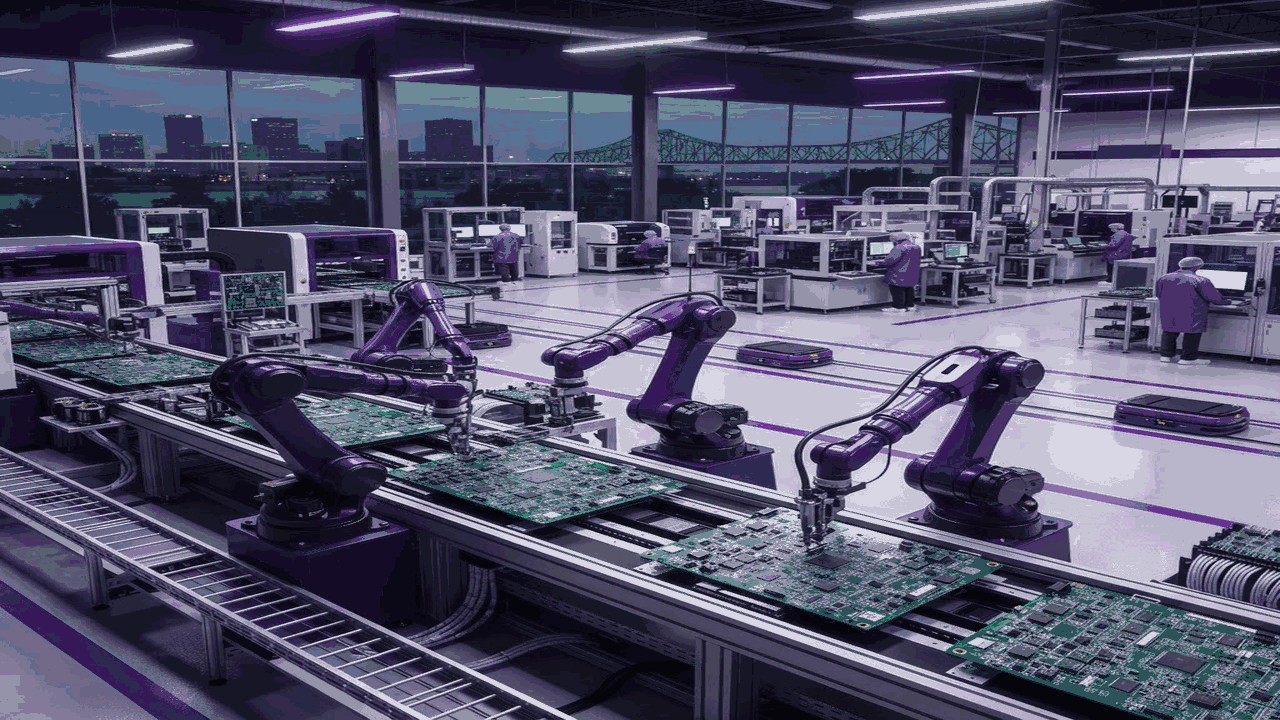
Leading Memphis hardware manufacturers invest heavily in modern production technology. Automated assembly lines, precision machining, and quality control systems ensure consistent, high-quality output. Many facilities employ robotics and computer-controlled equipment that deliver tight tolerances and repeatable results, essential for industries where precision is paramount.
These manufacturers also offer flexible production capabilities, handling everything from prototyping and small custom runs to large-scale mass production. This versatility allows them to serve startups developing new products as well as established enterprises requiring high-volume manufacturing.
Serving Key Industries
Memphis hardware manufacturers support a wide array of sectors. The medical device industry relies on manufacturers capable of meeting stringent quality and regulatory standards. Electronics companies depend on precision component production. Industrial and logistics firms source specialized equipment and machinery from local producers.
This diverse client base has cultivated manufacturers with broad expertise and adaptability. A firm experienced in producing medical-grade components, for instance, brings exceptional quality discipline to every project it undertakes, benefiting clients across all industries.
The Importance of Quality and Compliance
In hardware manufacturing, quality is non-negotiable. The top Memphis manufacturers maintain rigorous quality management systems and pursue relevant certifications to demonstrate their commitment to excellence. Comprehensive testing, inspection protocols, and traceability ensure that every product meets exacting specifications.
Regulatory compliance is especially critical for manufacturers serving medical, aerospace, and other highly regulated industries. Leading firms maintain deep knowledge of applicable standards and build compliance into every stage of production, giving clients confidence and peace of mind.
Supply Chain Advantages
Memphis offers unmatched logistics advantages that benefit hardware manufacturers and their customers. The city's world-class distribution infrastructure enables rapid, efficient shipping across the country and internationally. Manufacturers located here can source materials and deliver finished products with remarkable speed and reliability.
This logistical strength reduces lead times and shipping costs, providing a competitive edge. For businesses that value responsiveness and dependable delivery, partnering with a Memphis manufacturer offers significant supply chain benefits.
Innovation and Sustainability
The best hardware manufacturers are embracing innovation and sustainability. Many are adopting energy-efficient processes, reducing waste, and using environmentally responsible materials. Advanced technologies like additive manufacturing and smart factory systems are improving efficiency and expanding what is possible.
These forward-looking practices benefit both the environment and the bottom line, positioning Memphis manufacturers for long-term success. For businesses seeking a reliable, innovative, and quality-focused production partner, the top hardware manufacturers in Memphis represent an outstanding choice, combining the region's industrial heritage with the demands of modern manufacturing.
From Prototype to Production
A capable manufacturing partner becomes valuable long before full production begins. During design-for-manufacturing reviews, engineers identify components that are difficult to source, tolerances that add cost, and assembly choices that could reduce reliability. Early feedback prevents an attractive prototype from becoming an expensive or fragile product.
Prototype runs allow teams to test fit, function, tooling, and assembly instructions. Pilot production then exposes process variation before volume grows. Leading Memphis manufacturers document lessons at each stage and use controlled revisions so everyone works from the correct drawings and bill of materials.
Questions for Prospective Manufacturers
Buyers should ask which processes are performed internally, how suppliers are qualified, and what happens when an inspection fails. Capacity, typical lead times, minimum order quantities, and contingency plans deserve direct discussion. A factory tour can reveal organization, equipment condition, worker training, and quality practices that are difficult to judge from a proposal alone.
Intellectual property protection is another priority for custom hardware. Contracts should define ownership of designs, tooling, firmware, and production data. Clear communication channels and named technical contacts help problems reach the right people quickly.
Cost, Quality, and Total Value
The lowest unit quote is not always the least expensive choice. Scrap, rework, delays, warranty claims, and long-distance shipping can erase initial savings. Memphis's distribution advantages and proximity to regional customers may improve total economics even when direct labor costs are not the lowest available.
Strong manufacturers make tradeoffs visible. They suggest alternate materials or processes without compromising critical requirements and provide transparent assumptions behind pricing. This collaborative cost engineering is particularly useful for growing companies whose designs and production volumes continue to evolve.
Building a Resilient Supply Chain
Recent disruptions have made resilience a board-level concern. Leading firms identify single-source components, monitor supplier performance, and maintain approved alternatives where practical. They balance lean inventory with realistic risk and communicate early when availability changes. For Memphis businesses, a responsive regional manufacturing relationship can shorten feedback loops and reduce dependence on distant supply chains.