
Hardware That Powers Fairfield
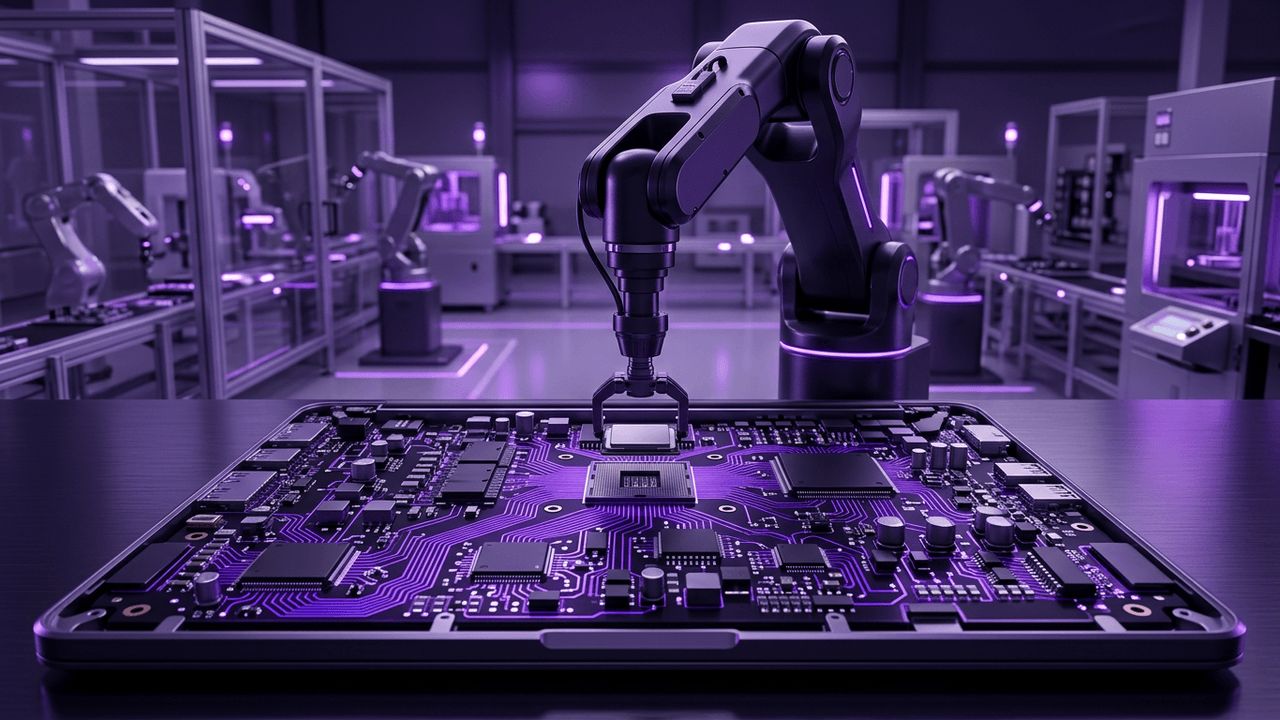
Behind every app, cloud service, and online meeting is physical hardware. Laptops, desktops, servers, processors, networking equipment, and storage devices make modern life possible. For Fairfield businesses, choosing dependable hardware affects productivity, security, and long-term costs. For students at Solano Community College, remote workers commuting less often to the Bay Area, and families across the city, the right devices make work, learning, and entertainment smoother.
Fairfield's location near Silicon Valley means many of the world's most important hardware companies are close neighbors. The manufacturers below were selected for product quality, innovation, reliability, enterprise support, and their significance to businesses and consumers in the region.
The Top 10 Hardware Manufacturers
1. Apple
Apple, headquartered in Cupertino, designs some of the world's most popular laptops, desktops, tablets, and smartphones. Its custom processors deliver impressive performance and battery life, and its tightly integrated ecosystem appeals to creative professionals and everyday users alike.
2. Intel
Intel, based in Santa Clara, is one of the world's leading makers of processors. Its chips power a large share of personal computers and servers, and the company continues to invest heavily in advanced manufacturing.
3. NVIDIA
NVIDIA, also in Santa Clara, designs graphics processors used for gaming, professional visualization, and artificial intelligence. Its data center hardware has become essential for organizations training and running AI models.
4. AMD
AMD, headquartered in Santa Clara, produces processors and graphics chips for computers, gaming consoles, and data centers. Its competitive performance has made it a strong alternative across consumer and enterprise markets.
5. HP Inc.
HP Inc., headquartered in Palo Alto, makes laptops, desktops, and printers used in homes, schools, and offices. Its business devices offer security features and management tools designed for organizations of all sizes.
6. Dell Technologies
Dell Technologies offers laptops, desktops, servers, and storage systems, along with deployment and support services. Businesses value its configurable products and strong enterprise support programs.
7. Lenovo
Lenovo is one of the world's largest PC manufacturers, known for its durable business laptops and wide range of devices. Its products are popular with organizations seeking reliability and value.
8. Cisco
Cisco, based in San Jose, designs networking hardware that connects offices, campuses, and data centers. Its routers, switches, and wireless equipment form the backbone of countless business and public-sector networks.
9. Western Digital
Western Digital, headquartered in San Jose, manufactures hard drives used in personal computers, data centers, and storage systems. Its products help organizations and individuals store growing volumes of data reliably.
10. Seagate Technology
Seagate is a long-standing leader in data storage, producing hard drives for consumers, enterprises, and cloud providers. Its high-capacity drives are central to the massive storage needs of modern data centers.
Hardware Trends Affecting Buyers
Artificial intelligence is changing hardware design. New laptops increasingly include dedicated processors for AI tasks, enabling features like real-time transcription and image enhancement directly on the device. Energy efficiency is a growing priority, both for longer battery life and lower electricity costs in offices and data centers.
Supply chain resilience has become a strategic concern, leading manufacturers to diversify production locations. Sustainability is also influencing purchasing decisions, with buyers paying attention to recycled materials, repairability, and responsible recycling programs for retired equipment.
Tips for Choosing Hardware
Match devices to how people actually work. Creative professionals need strong graphics and color-accurate displays, field workers benefit from rugged devices, and office staff may prioritize comfort and battery life. Businesses should consider warranty and support options, security features, and compatibility with management tools. Planning a regular replacement cycle helps avoid productivity losses from aging equipment.
When retiring old devices, use secure data erasure and certified recycling to protect sensitive information and the environment.
Frequently Asked Questions
How often should businesses replace computers?
Many organizations replace laptops and desktops every three to five years, depending on usage and performance needs. Older devices can become slower, less secure, and more expensive to support.
Is it better to buy consumer or business-grade devices?
Business-grade devices usually offer longer warranties, stronger security features, better durability, and management tools that simplify IT administration. They are often worth the extra cost for professional use.
What should I look for in a new laptop?
Consider processor performance, memory, storage, battery life, display quality, weight, and port selection. Increasingly, buyers also look for dedicated AI processing capabilities that power new on-device features.
How should old hardware be disposed of?
Securely erase or physically destroy storage drives, then use a certified electronics recycler. Many manufacturers also offer trade-in and recycling programs that make responsible disposal easier.
Final Thoughts
The hardware manufacturers on this list shape the devices and infrastructure that Fairfield relies on every day. By choosing equipment thoughtfully and maintaining it well, businesses and households can enjoy dependable performance, stronger security, and better value over the life of their technology.