
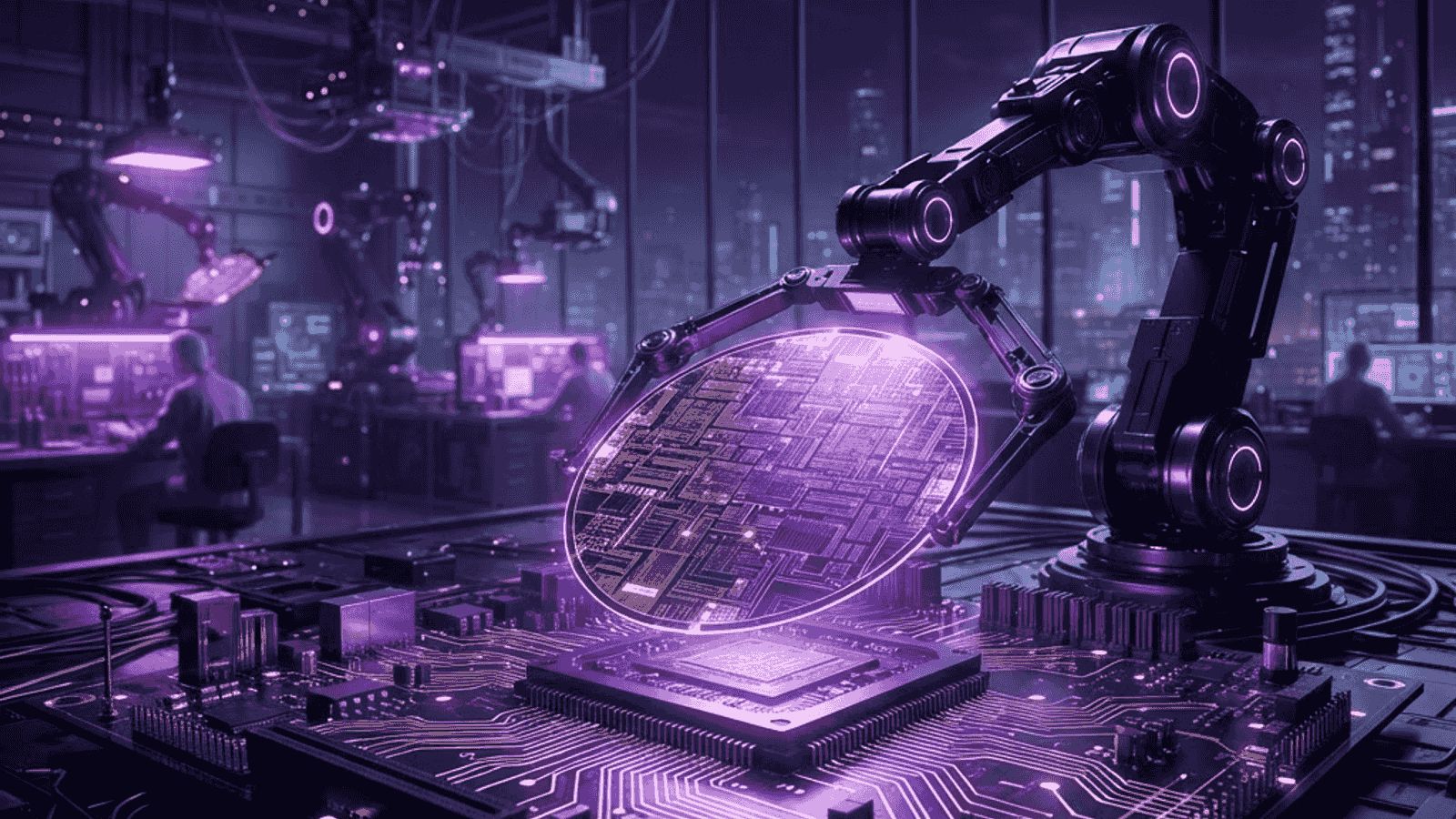
Manufacturing in the Modern Bull City
Durham's industrial history is well known, but its present manufacturing economy looks very different from its tobacco and textile past. Today the region produces computing hardware, networking equipment, laboratory instruments, medical devices, semiconductors, and biologics manufacturing systems. The transition happened because the same factors that attract research organizations, namely engineering talent, university partnerships, and transportation access, also attract advanced manufacturing.
North Carolina's investment in workforce development through the community college system reinforced this shift. Technicians trained in cleanroom protocols, precision machining, and quality systems are available in numbers that many regions cannot match, which matters enormously for regulated production.
Selection Criteria
Companies were evaluated on manufacturing footprint in the Triangle, product significance, engineering capability, quality systems, and contribution to regional employment.
1. Lenovo
Lenovo's North American headquarters sits in the Triangle, and the company has expanded domestic manufacturing and configuration operations in the region. Laptops, workstations, servers, and accessories designed or finished locally serve enterprise and consumer markets worldwide. Its presence anchors an extensive supplier and logistics network throughout central North Carolina.
2. Cisco
Cisco's Research Triangle Park campus supports engineering, testing, and manufacturing coordination for networking and collaboration hardware. Switches, routers, and communication systems developed here underpin networks globally. The site's hardware validation laboratories are among the most sophisticated in the region.
3. IBM
IBM's long standing Research Triangle Park operations have included hardware engineering across networking, storage, and systems technology. While the company's portfolio has shifted toward software and services, its local engineering heritage continues to influence hardware design practice throughout the Triangle.
4. Wolfspeed
A North Carolina company at the forefront of silicon carbide semiconductor production, Wolfspeed manufactures power devices and materials essential to electric vehicles, renewable energy systems, and industrial power conversion. Its regional investment represents one of the most consequential advanced manufacturing developments in the state.
5. Merck Manufacturing Operations
Merck's Durham area vaccine manufacturing facilities produce biologics at large scale, requiring highly specialized equipment, cleanroom infrastructure, and validated production systems. Pharmaceutical manufacturing of this type is among the most technically demanding forms of production anywhere.
6. BioMerieux and Diagnostic Instrument Makers
The Triangle hosts diagnostic instrument manufacturing serving clinical and industrial microbiology. These systems combine precision mechanics, optics, fluid handling, and embedded software, and they must meet stringent regulatory requirements before reaching laboratories.
7. Grifols
With significant operations in the region, Grifols manufactures plasma-derived therapies using complex production equipment and rigorous quality controls. Its facilities illustrate how biologics manufacturing has become a cornerstone of North Carolina's industrial base.
8. Fujifilm Diosynth Biotechnologies
This contract development and manufacturing organization has invested heavily in large scale biologics production in North Carolina. Building and operating bioreactor suites at this scale requires substantial engineering, automation, and process control capability, much of it developed locally.
9. Laboratory Equipment and Instrumentation Suppliers
Durham's research density supports a cluster of companies producing laboratory automation, sample handling systems, imaging equipment, and specialized consumables. Their proximity to end users creates a fast feedback loop between researchers and equipment designers that improves products meaningfully.
10. Contract Electronics Manufacturers
Several regional contract manufacturers provide circuit board assembly, prototyping, testing, and low volume production for medical devices, industrial controls, and startup hardware ventures. For local product companies, having a manufacturing partner within driving distance dramatically shortens development cycles.
Trends in Regional Manufacturing
Reshoring and supply chain resilience remain powerful drivers, as pandemic-era disruptions convinced many organizations to shorten supply lines even at higher unit cost. Automation continues expanding, not to replace workers but to address persistent skilled labor shortages while improving consistency. Semiconductor and power electronics investment has accelerated with federal and state incentives. Sustainability requirements now influence facility design, energy sourcing, and material selection throughout the sector.
Considerations for Working With a Manufacturer
Clarify quality system certifications relevant to your market, whether that is medical device regulation, aerospace standards, or general quality management. Discuss minimum order quantities and how the partner handles engineering changes, since design revisions are inevitable. Understand testing capability, including environmental, electrical, and reliability testing, and confirm whether it happens in house or through third parties. Review supply chain transparency for critical components, and ask how the manufacturer handles component obsolescence, which frequently determines a product's commercial lifespan.
Workforce and Education Connections
Durham Technical Community College and neighboring institutions run programs in biotechnology processing, mechatronics, and industrial maintenance developed in direct consultation with local employers. This pipeline is a genuine competitive advantage for the region and a practical resource for any manufacturer planning to scale operations locally.
Final Thoughts
Durham and the broader Triangle combine research capability with real production capacity, a rarer pairing than it sounds. Whether the need is high volume computing hardware, regulated biologics, or a modest prototype run, the local ecosystem offers credible options backed by an experienced technical workforce.