
Manufacturing at the Southern Tip of Texas
Brownsville occupies an unusual position in North American manufacturing. The Port of Brownsville provides deep water access and extensive industrial land. The international bridges connect directly to a mature manufacturing base across the border. Interstate access reaches the rest of Texas and the national market. Combined with a workforce trained through regional technical programs, these factors have supported a durable hardware and industrial manufacturing sector.
The activity spans several categories: electronics assembly, metal fabrication, industrial equipment, automotive and aerospace components, and consumer product manufacturing. Many operations use a shared production model, where subassembly happens across the border and final assembly, testing, and distribution occur in Brownsville.
Capabilities Available Locally
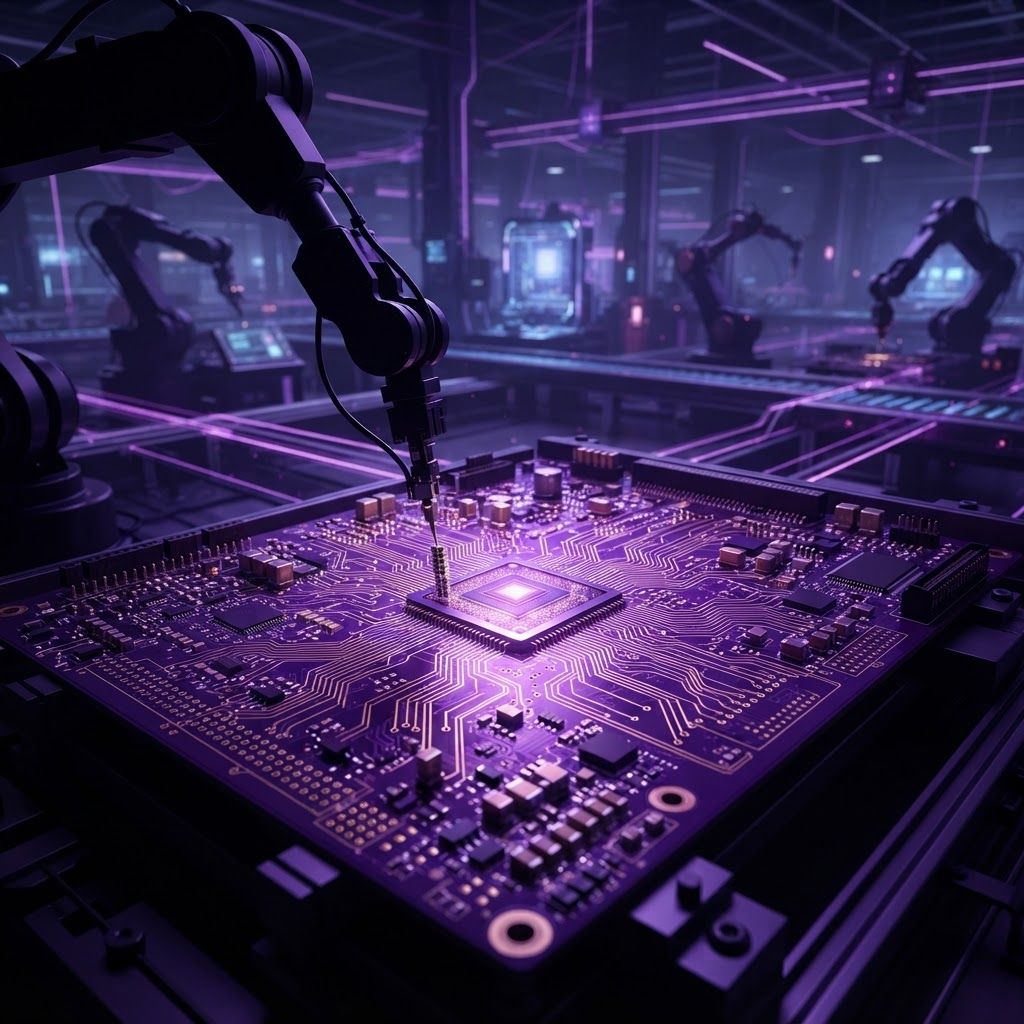
Companies seeking a manufacturing partner in the region will find contract electronics assembly including surface mount and through hole production, precision machining, sheet metal fabrication, welding, injection molding, cable and harness assembly, and enclosure production. Supporting services include design for manufacturing review, prototyping, testing and quality inspection, and fulfillment.
The cross border structure deserves explanation. Under shared production arrangements, components can move across the border for labor intensive steps and return for finishing. Handled correctly, this delivers meaningful cost advantages while keeping quality control and customer proximity in the United States. Handled poorly, it creates customs complexity and delays, which is why experienced partners matter.
Top 10 Best Hardware Manufacturers in Brownsville
1. Frontera Manufacturing Group is one of the largest contract manufacturers in the region, offering electronics assembly, testing, and box build services. They are known for disciplined quality systems and experience managing cross border production flows.
2. Gulf Coast Precision Works specializes in precision machining and metal fabrication for industrial, energy, and marine clients, with capability for both prototype runs and sustained production.
3. Starbase Components serves aerospace adjacent and high reliability applications, producing machined parts, fixtures, and assemblies to tight tolerances with full traceability documentation.
4. Rio Delta Electronics focuses on circuit board assembly and electromechanical integration, supporting clients from prototype through volume production with in house testing.
5. Cameron Industrial Fabricators handles heavy fabrication including structural steel, tanks, and custom equipment for port, agricultural, and construction customers.
6. Palm Row Product Manufacturing works with consumer product companies, managing tooling, molding, assembly, packaging, and fulfillment under a single relationship.
7. Southmost Cable and Harness produces wire harnesses, cable assemblies, and connector solutions for industrial and transportation clients, an area where skilled manual assembly remains essential.
8. Resaca Prototype Labs supports early stage development with rapid prototyping, additive manufacturing, and low volume production, helping teams validate designs before committing to tooling.
9. Vermillion Enclosure Systems manufactures electrical enclosures, control panels, and ruggedized housings, frequently supplying automation and utility projects.
10. Tidewater Contract Assembly provides labor flexible assembly, kitting, and packaging services, and is often used for seasonal volume or product configurations that do not justify dedicated lines.
Manufacturing Trends in the Region
Supply chain regionalization continues to benefit the border economy. Companies that concentrated production overseas have shifted volume closer to end markets to reduce transit time and exposure to disruption, and the Brownsville corridor has captured part of that movement.
Automation is expanding, though selectively. Vision inspection, automated testing, and material handling are being adopted faster than full line automation, because product mix in the region often favors flexibility over throughput. Quality documentation expectations have also increased, with customers requiring traceability data that was once reserved for regulated industries.
Sustainability requirements are appearing in customer contracts, covering material sourcing, energy use, and packaging, and manufacturers that can document these practices win business from larger buyers.
How to Select and Prepare for a Manufacturing Partner
Match your volume to the partner profile. A shop configured for high volume production will not serve a two hundred unit prototype run well, and a prototype focused lab cannot scale to continuous output. Ask directly about typical order sizes.
Request a design for manufacturing review before finalizing your product. Small changes to tolerances, fastener choices, or material specifications can reduce cost substantially, and that conversation is far cheaper before tooling exists.
Clarify quality expectations formally. Define inspection criteria, acceptable defect rates, testing requirements, and documentation. Visit the facility if possible, and examine how work in progress is organized. Finally, discuss capacity honestly, including what happens if your demand doubles or a competing customer places a large order.
Final Thoughts
Brownsville offers a manufacturing base with genuine advantages in location, logistics, and workforce. The companies listed here cover electronics, machining, fabrication, prototyping, and assembly. Choosing well means matching volume, tolerance requirements, and quality expectations to a partner built for that work, then investing time early in design review and clear specifications.
Workforce and Training in the Region
One of the quieter advantages of manufacturing in Brownsville is the supporting workforce pipeline. Regional technical programs produce machinists, welders, electronics technicians, and quality inspectors, and several manufacturers partner with these programs through apprenticeships and equipment donations. For companies evaluating the area, this matters as much as facility cost. A production site is only as reliable as its ability to staff a second shift or replace a retiring lead technician. Ask prospective partners about their turnover, training practices, and cross training depth, because those factors determine whether quality stays consistent as volume grows.