
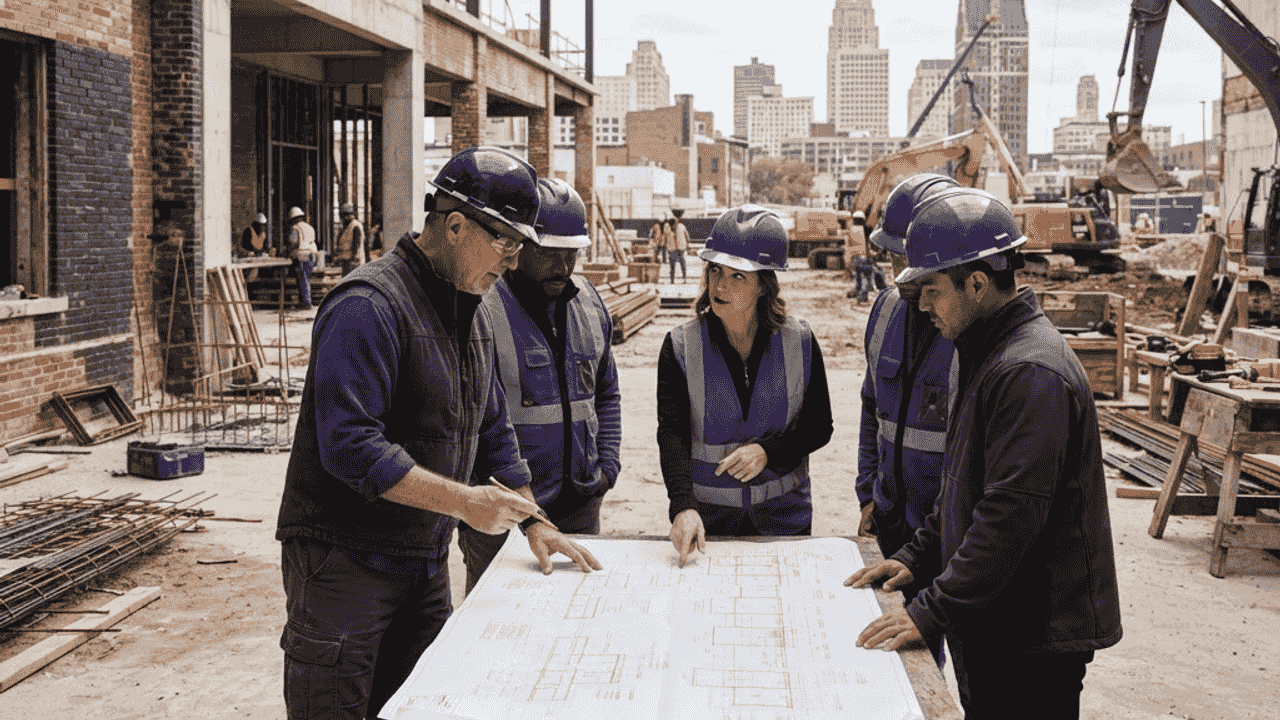
The Backbone of Detroit's Building Revival
Detroit's ongoing renaissance has fueled a surge in construction and renovation, and at the center of every successful project stands a capable general contractor. These professionals coordinate the many moving parts of a build, from permits and scheduling to subcontractors and materials, ensuring projects finish on time, on budget, and to a high standard. Whether renovating a historic home, expanding a business, or building from the ground up, choosing the right general contractor is the single most important decision an owner can make.
What a General Contractor Does
A general contractor serves as the central manager of a construction project, overseeing every phase from planning to completion. Responsibilities include securing permits, hiring and coordinating skilled tradespeople, sourcing quality materials, managing budgets and timelines, and ensuring all work meets building codes and safety standards. The best contractors act as trusted advisors, guiding clients through complex decisions and solving problems before they escalate. Their organizational expertise transforms a daunting project into a smooth, manageable process.
Experience and Local Knowledge
Detroit's diverse building stock, ranging from century-old homes to modern commercial spaces, demands contractors with broad experience and deep local knowledge. Familiarity with the city's permitting processes, historic preservation requirements, and regional building challenges is invaluable. The best general contractors bring years of hands-on experience and established relationships with reliable subcontractors and suppliers. This local expertise streamlines projects, prevents costly delays, and ensures work is completed correctly the first time, respecting both regulations and the character of Detroit's neighborhoods.
Quality Craftsmanship and Attention to Detail
The hallmark of a great contractor is consistently high-quality work. Top professionals take pride in craftsmanship, from structural integrity to finishing touches, and hold their subcontractors to the same standard. Attention to detail ensures that every element, whether framing, plumbing, electrical, or trim, is executed properly. This commitment to excellence not only produces beautiful, durable results but also protects the client's investment by minimizing future repairs and maintenance. Quality craftsmanship is what separates a good project from a great one.
Communication and Transparency
Clear communication is essential to a successful construction relationship. The best general contractors provide detailed estimates, realistic timelines, and regular updates throughout the project. They explain decisions, discuss changes openly, and address concerns promptly, keeping clients informed and confident at every stage. Transparency around costs and scope prevents misunderstandings and unexpected expenses. A contractor who communicates well builds trust, reduces stress, and fosters a collaborative partnership that leads to better outcomes.
Choosing the Right Contractor
Selecting a general contractor requires careful evaluation. Verify licensing, insurance, and bonding to protect yourself legally and financially. Review portfolios and references to assess the quality and scope of past work. Obtain detailed written estimates and compare them thoughtfully, focusing on value rather than the lowest price. A reputable contractor welcomes questions, provides clear contracts, and stands behind their work with warranties. Taking time to choose wisely ensures a smoother project and a result you can be proud of.
How to Compare Your Options
Before making a final choice, create a practical shortlist based on the factors that matter most to your situation. Ask each provider or seller for a clear explanation of pricing, scope, expected timing, warranties, and any exclusions. Compare like with like rather than focusing only on the lowest initial quote. A stronger option may include better materials, more complete service, experienced staff, or meaningful aftercare that reduces future expense. Written documentation is especially valuable because it gives both sides a shared understanding and makes differences between proposals easier to identify.
Reputation should be evaluated carefully as well. Look for recurring themes in recent customer feedback, such as punctuality, professionalism, problem resolution, and consistency. One unusually positive or negative review rarely tells the whole story. A dependable Detroit-area business should communicate clearly, answer detailed questions without pressure, and be realistic about what it can deliver. Whenever the decision involves safety, licensing, insurance, training, or technical work, verify credentials directly and ask how quality is checked. These steps help separate polished marketing from proven capability.
Detroit-Specific Considerations
Local conditions should influence the decision. Detroit's freeze-thaw cycles, road salt, older building stock, busy freeways, and mix of historic and modern infrastructure create demands that are not always obvious at first. Providers with genuine experience in Southeast Michigan are more likely to anticipate seasonal complications, source suitable products, and recommend solutions that hold up over time. Availability also changes through the year, so planning ahead can improve scheduling and pricing. A thoughtful comparison based on long-term value, local expertise, and dependable support will usually produce a better result than choosing on convenience alone.
Conclusion
Detroit's best general contractors combine experience, craftsmanship, local knowledge, and clear communication to bring construction visions to life. As the city continues to grow and revitalize, these professionals play an essential role in shaping its future. By choosing a licensed, transparent, and skilled contractor, property owners can navigate their projects with confidence, knowing their investment is in capable hands from foundation to finish.