
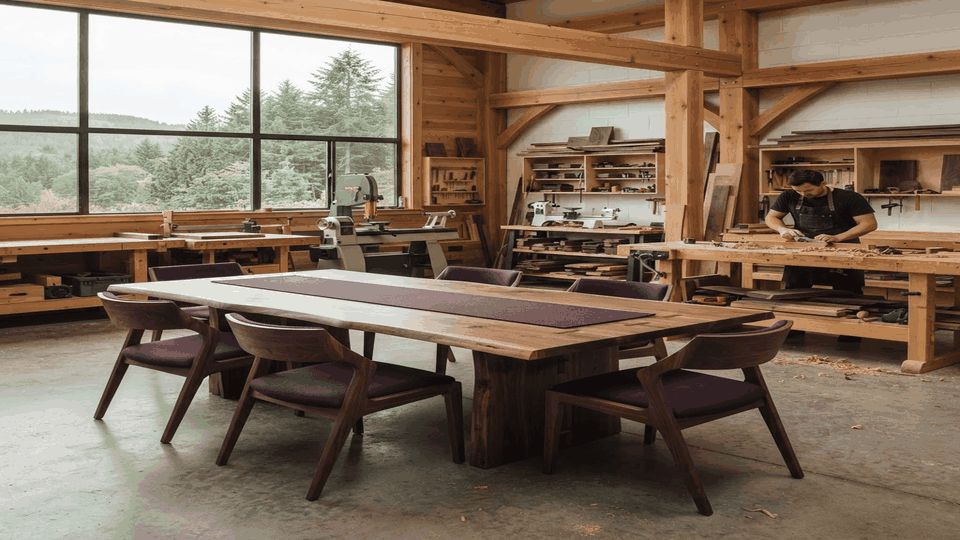
Furniture Made in Washington
Washington’s furniture culture reflects its forests, design-conscious cities, and strong craft tradition. Seattle supports modern residential and workplace design, while makers in Tacoma, Spokane, Bellingham, and smaller communities often emphasize local wood and small-batch production. This list includes companies with different scales and specialties, so buyers should match each maker’s capabilities to the project.
1. Watson Furniture Group
Poulsbo-based Watson Furniture Group manufactures workplace furniture with an emphasis on durable construction, adaptable planning, and responsible material choices. Its desks, tables, and storage systems are designed for commercial settings where products must withstand frequent use. Watson’s Washington manufacturing base, modern design language, and attention to lifecycle value make it a strong candidate for offices, educational environments, and public-sector projects.
2. Seldens Designer Home Furnishings
Seldens has deep roots in the Puget Sound furniture market and works with numerous manufacturers to serve residential clients. While functioning primarily as a retailer and design resource, its long regional history gives it insight into Washington preferences, including performance fabrics, flexible sectionals, natural woods, and pieces suited to urban homes.
3. Modern Shed
Seattle-based Modern Shed creates prefabricated structures that frequently function as offices, studios, and guest spaces. Though broader than traditional furniture, the company applies the same principles of proportion, material selection, built-in function, and interior comfort. It is worth considering when a furnishing project expands into a complete backyard workspace or compact room.
4. Chadhaus
Chadhaus is associated with handcrafted modern furniture made in Seattle. Its work highlights solid wood, restrained forms, and careful joinery. Small-batch makers like Chadhaus appeal to clients seeking pieces with visible material character rather than mass-produced uniformity. Lead time, wood variation, and finish care should be discussed when ordering artisan furniture.
5. Meyer Wells
Seattle-based Meyer Wells is known for furniture made from reclaimed urban trees. By turning local wood into tables, desks, and architectural elements, the company gives storm-damaged or removed trees a second life. Each slab’s grain and shape can influence the finished design, making the material story a central differentiator for homes, restaurants, and corporate spaces.
6. Plank & Grain
Plank & Grain in Seattle has focused on reclaimed-wood furniture with an industrial-modern character. Its tables and complementary pieces suit buyers drawn to substantial materials and evidence of prior use. Reclaimed furniture can offer distinctive texture, but clients should clarify dimensions, surface expectations, and maintenance before purchase.
7. Tirto Furniture
Seattle’s Tirto Furniture is known for teak furniture and decor with roots in Indonesian craftsmanship. Its assortment demonstrates how Washington’s globally connected design scene combines imported craft traditions with local retail and project support. Teak’s stability and durability make it useful for selected indoor and outdoor settings when properly maintained.
8. Tomfoolery Wood
Independent woodworking studios across Seattle, including makers working under names such as Tomfoolery Wood, contribute custom tables, cabinetry, seating, and built-ins. These studios often provide close designer collaboration and flexibility in dimensions. They are best suited to clients who value direct communication and accept the schedule involved in custom work.
9. Live Edge Design Partners
Washington’s many live-edge specialists transform locally sourced maple, walnut, elm, and other species into statement tables. The best workshops properly dry slabs, engineer stable bases, and explain natural checking or movement. For a large conference or dining table, buyers should inspect the actual slab and verify access for delivery.
10. Northwest Woodworkers Gallery Makers
Northwest Woodworkers Gallery in Seattle represents accomplished regional craftspeople. Its represented makers offer furniture ranging from sculptural cabinets to contemporary seating. A curated gallery is valuable for comparing styles and commissioning work from established artisans while receiving guidance on materials and care.
Choosing the Right Manufacturer
Begin with intended use, dimensions, budget, timeline, and durability requirements. Commercial projects should ask about finish testing, warranties, replacement parts, accessibility, and code considerations. Residential buyers may prioritize comfort, tactile quality, and customization. In either case, request samples and confirm whether wood is solid, veneered, reclaimed, or engineered.
Sustainability claims deserve specific questions. Local production can reduce transportation, while reclaimed timber and low-emitting finishes may improve environmental performance. Durable furniture that can be repaired or refinished often offers the best long-term value. Washington’s strongest makers pair an authentic material story with sound engineering and clear service.