
Furniture Making in Tulsa
Tulsa has a genuine craft furniture culture, sustained by a strong design community, an abundance of restored historic homes, and a commercial market that values distinctive interiors. Alongside that craft tier sits a practical commercial segment: casework shops, restaurant furniture builders, office furnishing manufacturers, and metal studios producing tables and fixtures at scale.
The city's Art Deco architectural legacy influences local aesthetics more than outsiders expect. Designers frequently commission pieces that respond to that vocabulary, which has kept traditional joinery, veneer work, and metal detailing alive in local shops. The result is a market where you can commission a one-off dining table or outfit an entire hotel from producers within the metro.
1. Custom Hardwood Furniture Studios
Tulsa's fine woodworking shops build heirloom dining tables, beds, cabinetry, and case goods from solid domestic hardwoods including walnut, white oak, and cherry. Their differentiators are joinery quality, lumber selection, and hand-applied finishes. Clients typically work directly with the maker through design, sample approval, and delivery.
2. Commercial Casework and Millwork Manufacturers
Casework manufacturers produce built-in cabinetry, reception desks, and fixtures for offices, medical facilities, and retail spaces. Their strength lies in shop drawings, code awareness, and coordinating with general contractors on tight construction schedules. Consistency across dozens of identical units is what separates them from residential woodshops.
3. Restaurant and Hospitality Furniture Builders
Builders in this category produce booths, banquettes, bar tops, and dining tables engineered for continuous commercial use. Durability, cleanability, and compliance with commercial standards drive their construction methods. Restaurateurs value builders who can replicate a design years later during expansion.
4. Metal Furniture and Industrial Fabrication Studios
Drawing on Tulsa's fabrication heritage, metal studios produce steel table bases, shelving, patinated panels, and mixed-material furniture. Welding quality, finish consistency, and structural engineering are their differentiators. Collaboration with woodshops on mixed-material pieces is common and often seamless.
5. Upholstered Furniture Manufacturers
Local upholstery manufacturers build sofas, chairs, and headboards, and reupholster existing frames for residential and commercial clients. Frame construction, spring systems, and foam specification determine longevity far more than fabric choice. Access to contract-grade textiles allows them to meet demanding commercial durability requirements.
6. Office and Institutional Furniture Producers
Manufacturers and dealers serving corporate, educational, and government clients supply workstations, seating, and storage systems, often with local assembly and installation. Their advantage is program management: space planning, phased delivery, and warranty service. Ergonomic performance and adaptability to hybrid work patterns dominate current specifications.
7. Reclaimed and Live Edge Wood Specialists
Specialists working with reclaimed barn wood, salvaged urban timber, and live edge slabs produce distinctive pieces with documented material provenance. Kiln drying, stabilization, and epoxy work are technical requirements many hobbyists underestimate. Buyers value the sustainability narrative alongside the visual character.
8. Outdoor and Patio Furniture Manufacturers
Given Oklahoma's climate extremes, outdoor furniture makers focus on powder-coated aluminum, marine-grade hardware, treated hardwoods, and UV-stable fabrics. Weather resistance and fastener quality are the true differentiators. Commercial pool and restaurant patio projects are a substantial share of their business.
9. Cabinet Manufacturers for Residential Construction
Cabinet shops serving Tulsa's residential builders and remodelers produce kitchens and baths at varying quality tiers. Box construction, drawer hardware, and finish durability distinguish serious manufacturers from assemblers of imported components. Accurate field measurement and installation quality strongly affect the finished result.
10. Emerging Designer-Maker Workshops
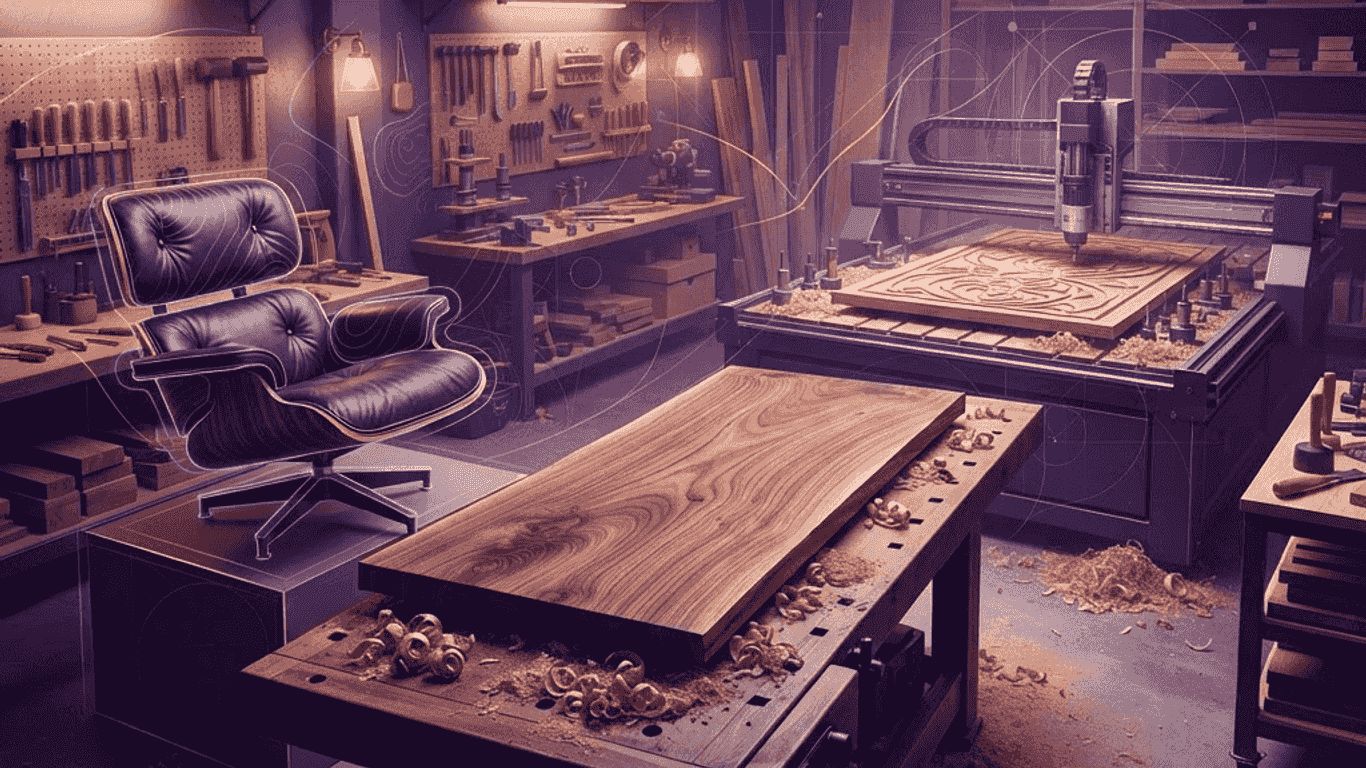
A growing cohort of small studios blends contemporary design with digital fabrication, using CNC routing and parametric design alongside traditional handwork. They excel at limited editions and prototypes for designers and boutique retailers. Their flexibility makes them ideal partners for experimental or highly personalized projects.
Trends in Furniture Manufacturing
Domestic sourcing has gained real momentum. Extended overseas lead times pushed designers and commercial clients toward local makers who can deliver in weeks with fewer surprises. Sustainability follows closely, with clients asking about wood sourcing, low-VOC finishes, and repairability rather than disposability.
Multifunctional and adaptable pieces are also in demand as homes continue to serve as workspaces. On the production side, CNC machining and digital design have compressed the gap between concept and finished piece, allowing small shops to offer semi-custom lines at accessible price points.
How to Choose a Furniture Manufacturer
Define scope precisely: dimensions, materials, finish, hardware, seating specifications, and intended use environment. Commercial use requires different construction than residential, and a maker who is not told the difference will quote the wrong product.
Then evaluate craftsmanship in person. Examine joinery, drawer operation, finish uniformity, and structural rigidity on completed pieces. Ask about lead time, deposit structure, change-order handling, and warranty coverage. Request references and, for larger projects, a prototype or first article. Finally, compare quotes on equivalent specifications, since apparent price differences usually reflect material grade and construction method rather than profit margin.
Final Thoughts
Tulsa's furniture manufacturers deliver a rare combination of craftsmanship, design collaboration, and practical commercial capability. Whether you need a single heirloom piece or furnishings for an entire building, working with a local maker gives you visibility, accountability, and a result built specifically for your space.