
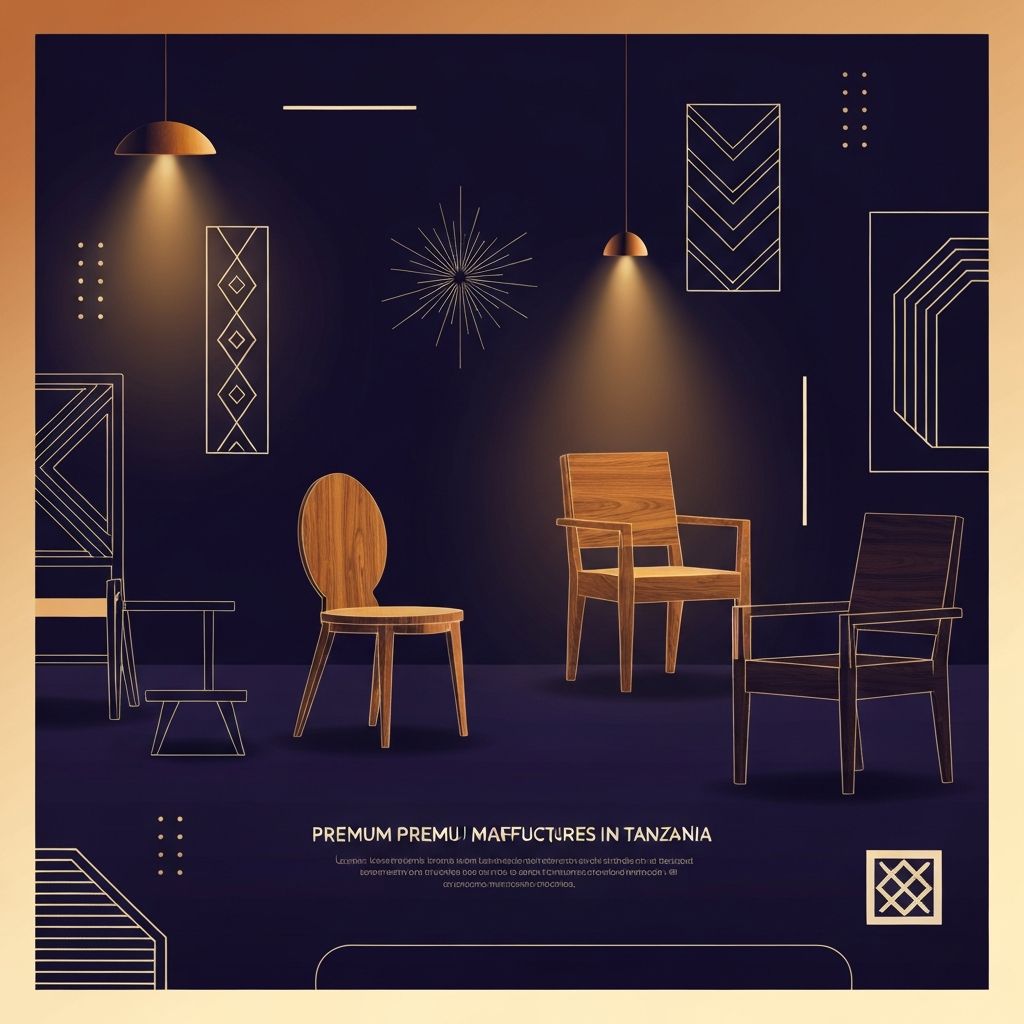
Crafting Comfort and Style in Tanzania
Tanzania has a long tradition of woodworking and furniture craftsmanship, supported by abundant local timber such as mninga, mvule, teak, and mahogany. From small artisan workshops in coastal towns to modern factories in Dar es Salaam and Arusha, the country's furniture manufacturers produce a wide variety of products for residential, commercial, hospitality, and institutional markets.
The sector has grown alongside urbanization, real estate development, and the expansion of hotels and offices. Today's leading furniture manufacturers blend traditional craftsmanship with modern design, ergonomic engineering, and increasingly sustainable sourcing practices to meet evolving customer expectations.
1. Naf Group Tanzania
Naf Group is among the most prominent furniture manufacturers in Tanzania, offering a comprehensive range of office, home, and hospitality furniture. The company is known for its modern designs, quality finishing, and ability to deliver large institutional contracts on time.
2. Furniture Arts Tanzania
Furniture Arts focuses on premium home and office furniture, with an emphasis on contemporary designs that appeal to upscale residential and corporate customers. The company combines locally sourced hardwoods with imported fittings to deliver durable, stylish pieces.
3. Mafuru Furniture Industries
Mafuru is a well-respected manufacturer producing classic and modern furniture for homes, offices, schools, and hotels. Its catalog includes beds, dining sets, sofas, executive desks, and conference tables, all manufactured to consistent quality standards.
4. Galaxy Wood Industries
Galaxy Wood specializes in solid wood furniture, kitchen cabinets, and built-in wardrobes. The company has built a reputation among architects and interior designers for its ability to deliver custom-made solutions that match specific design briefs.
5. Sleek Furniture Tanzania
Sleek Furniture is known for sleek, contemporary designs that cater to younger urban professionals and growing middle-class households. Its showrooms in major cities offer a curated experience, with delivery and assembly services that simplify the buying process.
6. Tanzania Wood Industries Corporation (TWICO)
TWICO is a longstanding name in the country's wood and furniture sector, leveraging its sawmilling and manufacturing facilities to produce a range of products from raw lumber to finished furniture. Its institutional sales include schools, government offices, and parastatal organizations.
7. Karibu Furniture Mart
Karibu Furniture Mart combines local manufacturing with curated imports, offering customers a wide selection of styles and price points. Its strong retail presence and customer service make it a popular choice for first-time furniture buyers.
8. Mwananchi Furniture
Mwananchi focuses on affordable, durable furniture for everyday Tanzanian families. Its product range covers essential items such as beds, wardrobes, dining tables, and sofas, designed for value-conscious buyers without compromising on basic quality.
9. Designers Furniture Tanzania
Designers Furniture caters to the high-end hospitality sector, supplying hotels, lodges, and resorts with custom interior solutions. Its team works closely with interior designers and architects to deliver complete project packages from concept to installation.
10. Local Artisan Cooperatives
Across Tanzania, networks of artisan cooperatives in cities like Mwanza, Dodoma, and Tanga produce handcrafted furniture that showcases traditional skills. These workshops are particularly strong in carved chairs, beds, and decorative pieces, often featuring distinct East African motifs prized by tourists and design enthusiasts.
Trends in Tanzanian Furniture Design
Several trends are influencing the Tanzanian furniture industry. Modular and space-saving designs are gaining popularity in urban apartments, where compact living is the norm. Office furniture is increasingly ergonomic, reflecting global awareness of workplace wellness. The hospitality sector demands distinctive, locally inspired designs that give hotels and lodges a unique sense of place.
Sustainability is also rising in importance. Manufacturers are adopting certified timber, water-based finishes, and waste reduction practices. Some companies are exploring bamboo and reclaimed wood as alternatives to traditional hardwoods, addressing concerns about deforestation and forest management.
Quality, Customization, and Service
The most successful Tanzanian furniture manufacturers compete on a combination of quality, customization, and service. Quality is anchored in solid construction, smooth finishes, and durable upholstery materials. Customization allows clients to specify dimensions, colors, and styles to match their spaces. Service includes timely delivery, professional assembly, and reliable after-sales support.
Choosing the Right Furniture Manufacturer
For homeowners, the choice often comes down to design preferences, budget, and showroom experience. For corporate buyers, factors such as production capacity, project management capabilities, and financing terms become more important. Hotels and institutions typically prioritize manufacturers with proven track records on similar large-scale projects.
It is also valuable to consider warranty terms, the origin of materials, and the manufacturer's commitment to environmental responsibility. Visiting a showroom or workshop, when possible, can provide valuable insight into the quality and craftsmanship of a potential supplier.
Conclusion
Tanzania's furniture manufacturers are crafting more than just furniture. They are shaping the way Tanzanians live, work, and host visitors. From mass-market essentials to bespoke luxury pieces, the industry offers something for every budget and taste. As urbanization continues, hospitality grows, and design awareness deepens, the future of Tanzania's furniture sector looks both stylish and sustainable, with strong roots in tradition and a clear eye on modern living.