
The Legacy of Danish Furniture Design
Few countries are as closely associated with furniture design as Denmark. The term Danish Modern evokes images of clean lines, natural materials, and human-centred functionality that have influenced interiors around the world. Born in the mid-twentieth century through visionaries like Hans Wegner, Arne Jacobsen, and Finn Juhl, Danish furniture design continues to shape global tastes today.
Danish manufacturers combine respect for craftsmanship with a forward-looking approach to sustainability and innovation. Their pieces are designed to last for generations, both physically and aesthetically, embodying the principle that good design should be both beautiful and enduring.
What Defines Danish Furniture
Danish furniture is characterised by simplicity, quality materials, and meticulous craftsmanship. Designers prioritise comfort and usability, ensuring that form always serves function. Natural woods such as oak, beech, and walnut feature prominently, often complemented by leather, wool, and other tactile materials.
Sustainability is increasingly central to the industry. Many manufacturers source responsibly managed timber, minimise waste, and design products for repairability and longevity. This commitment aligns with the broader Scandinavian ethos of living well while respecting the environment.
The Iconic Manufacturers
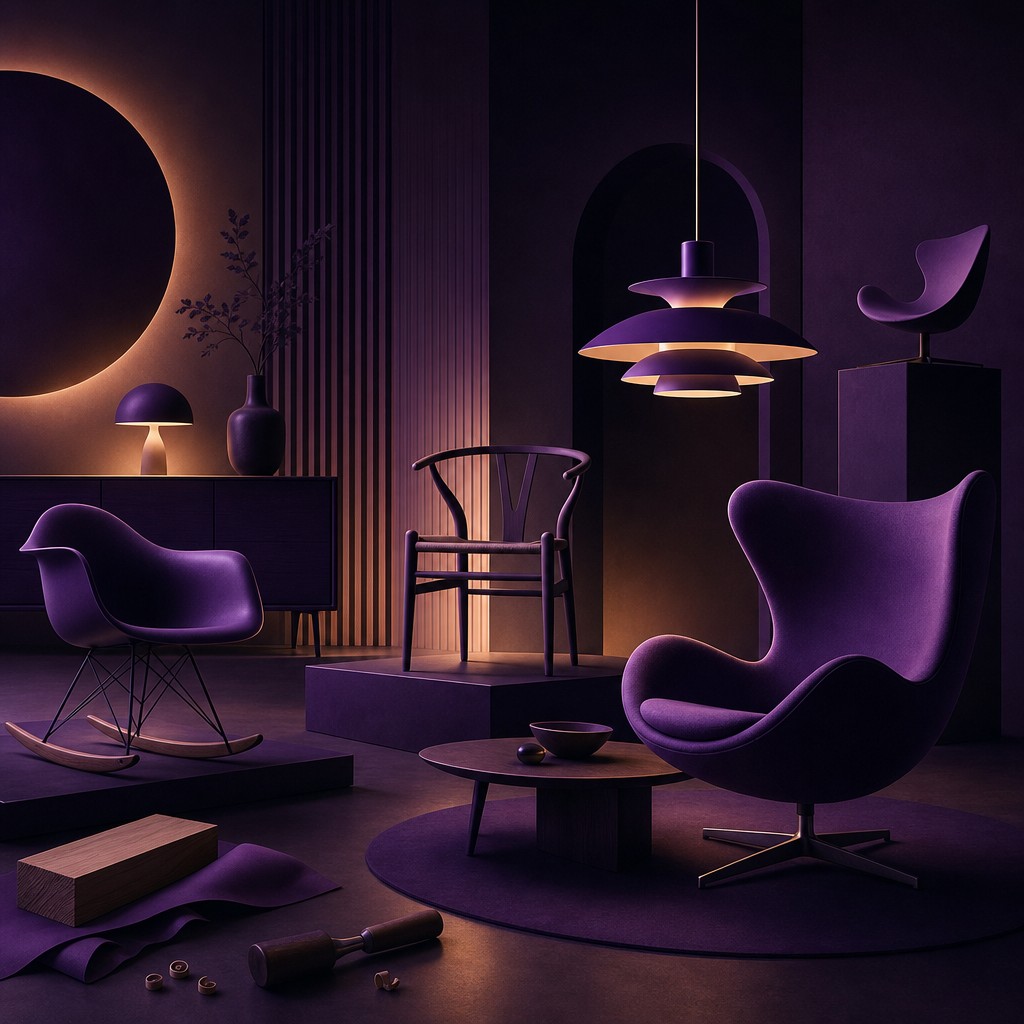
Fritz Hansen is perhaps the most celebrated name in Danish furniture, responsible for producing iconic pieces such as the Egg and Swan chairs designed by Arne Jacobsen. The company blends heritage with contemporary collaboration, working with leading designers to create timeless products.
Carl Hansen and Son holds the rights to many of Hans Wegner's masterpieces, including the famous Wishbone Chair. Its dedication to traditional craftsmanship and quality materials has made it a global ambassador for Danish design.
HAY brings a modern, accessible interpretation of Danish design to the market, offering colourful, affordable furniture and accessories that appeal to younger generations while maintaining strong design integrity.
Muuto, whose name derives from a Finnish word meaning new perspective, expands Scandinavian design with fresh, contemporary collections that have gained international acclaim.
Heritage Brands and Modern Innovators
BoConcept has grown into a global retailer of customisable, design-led furniture, bringing Danish aesthetics to homes worldwide. Its focus on coordinated interiors and personalisation resonates with modern consumers.
Montana Furniture specialises in modular shelving and storage systems available in a wide spectrum of colours, allowing customers to create personalised configurations. Its flexible approach reflects the practical side of Danish design.
Normann Copenhagen combines playful creativity with functional design, producing furniture, lighting, and home accessories that have become contemporary classics.
Vipp is renowned for high-quality kitchen and bathroom products, extending its design philosophy into complete living concepts and even prefabricated homes.
Craftsmanship and Materials
The reputation of Danish furniture rests on exceptional craftsmanship. Skilled artisans and modern production techniques work together to ensure precision and durability. Joinery, upholstery, and finishing are executed with care, resulting in products that age gracefully.
Material selection is equally important. Manufacturers favour natural, tactile materials that develop character over time. This attention to detail explains why vintage Danish furniture remains highly sought after and retains significant value in secondary markets.
Sustainability in the Furniture Industry
Sustainability has become a defining theme for Danish furniture makers. Responsible sourcing of timber, reduction of harmful finishes, and design for longevity all contribute to a smaller environmental footprint. Some companies offer repair services and spare parts, encouraging customers to keep products rather than replace them.
This approach contrasts with disposable furniture trends and reinforces the value proposition of investing in quality. By creating pieces meant to last, Danish manufacturers support a more circular and sustainable consumption model.
Choosing Danish Furniture
When selecting Danish furniture, buyers should consider design authenticity, material quality, and the manufacturer's reputation for craftsmanship. Genuine pieces from established makers offer lasting value, both as functional objects and as design investments.
Whether furnishing a home or a commercial space, Danish furniture provides a combination of beauty, comfort, and durability that few alternatives can match. The country's manufacturers continue to set standards that designers and consumers around the world aspire to.
Conclusion
Danish furniture manufacturers embody a design philosophy that prioritises quality, function, and timeless beauty. From the heritage of Fritz Hansen and Carl Hansen and Son to the contemporary energy of HAY and Muuto, Denmark continues to lead the world in furniture design. For anyone seeking pieces that combine craftsmanship with enduring style, Danish manufacturers remain an unrivalled choice.