
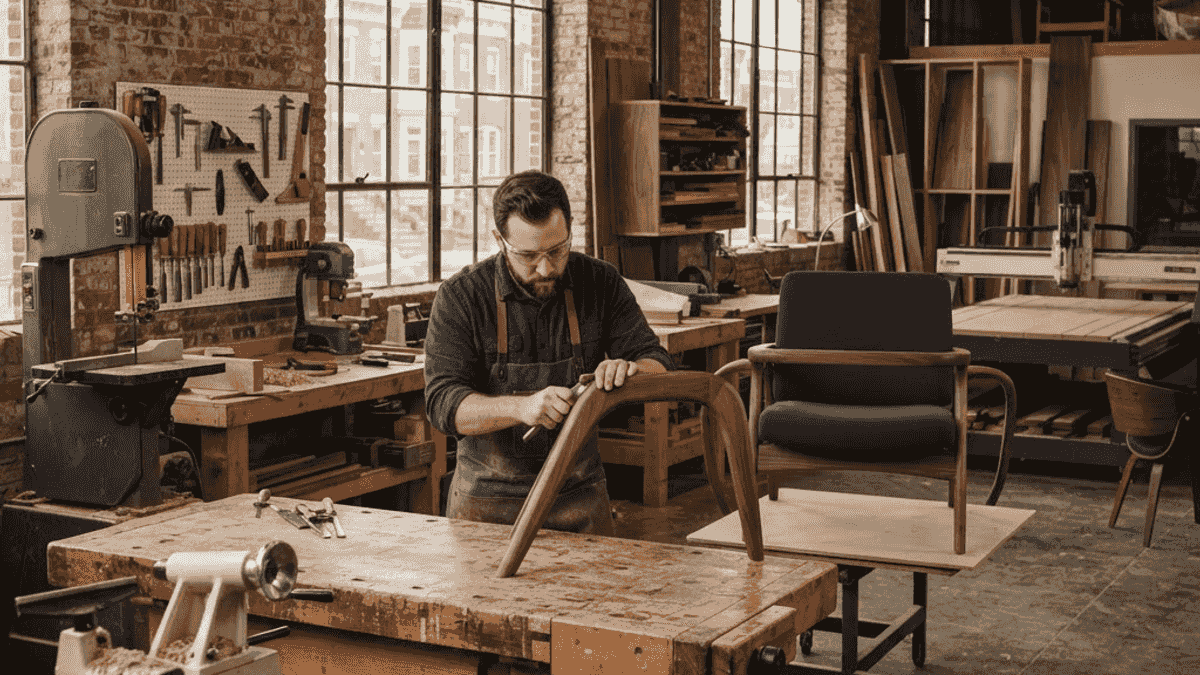
Baltimore's Furniture Making Tradition
Furniture manufacturing in Baltimore reflects a rich tradition of craftsmanship that continues to flourish alongside modern design and production techniques. The city is home to a diverse community of manufacturers producing everything from handcrafted custom pieces to commercial furniture for offices, hospitality venues, and institutions. This blend of artisanal skill and industrial capability gives Baltimore's furniture sector a distinctive character and broad appeal.
Local manufacturers benefit from the region's access to quality materials, skilled woodworkers, and a growing appreciation for domestically made goods. As consumers and businesses increasingly value durability, sustainability, and the story behind their furnishings, Baltimore's makers are well positioned to meet demand with pieces that combine beauty, function, and lasting quality. Their work ranges from residential furnishings to large commercial contracts.
What Sets Top Furniture Manufacturers Apart
The best furniture manufacturers in Baltimore are defined by their craftsmanship and attention to detail. Quality furniture must be both beautiful and durable, capable of withstanding years of everyday use. Leading firms achieve this through careful material selection, precise joinery, and skilled finishing, whether they are producing a single custom piece or a large commercial order.
Design capability and customization are also crucial differentiators. Many clients seek furniture tailored to specific spaces, styles, or functional requirements, and top manufacturers excel at collaborating with designers and clients to bring their visions to life. Increasingly, sustainability sets the leading firms apart as well, with the most forward-thinking makers using responsibly sourced wood, low-emission finishes, and environmentally conscious production methods.
Leading Furniture Manufacturers in Baltimore
Companies such as Patapsco Furniture Works have earned recognition for their custom woodworking and heirloom-quality pieces. Harbor Home Furnishings specializes in residential furniture with contemporary design sensibilities. Monument Office Furniture focuses on commercial and workplace furnishings built for durability and function.
Other respected firms include Chesapeake Woodcraft, known for its handcrafted custom pieces, and Bay City Furniture Company, which serves the hospitality and restaurant sectors. Inner Harbor Cabinetry provides custom cabinetry and built-in furniture, while Locust Point Designs concentrates on modern, sustainable furniture. Rounding out the list are Canton Furniture Manufacturing, Federal Hill Woodworks, and Fells Point Furnishings, each offering distinct styles and specialties that enrich Baltimore's furniture scene.
Trends in Furniture Manufacturing
Sustainability is among the most influential trends shaping Baltimore's furniture industry. Consumers increasingly seek furniture made from responsibly harvested wood, recycled materials, and non-toxic finishes. Manufacturers are responding by adopting eco-friendly practices and emphasizing the durability and repairability of their pieces, positioning quality craftsmanship as a sustainable alternative to disposable furniture.
Customization and made-to-order production are also gaining popularity. As people seek furnishings that reflect their personal style and fit their specific spaces, manufacturers are investing in flexible production capabilities and design collaboration. At the same time, technology such as computer-aided design and precision machinery is helping makers achieve greater consistency and efficiency without sacrificing the handcrafted quality customers value.
Finding the Right Furniture Partner
Businesses and individuals seeking a furniture manufacturer in Baltimore should consider factors such as design capabilities, material quality, customization options, and production capacity. A manufacturer whose style and specialties align with a client's needs will deliver better results, whether the project involves a single custom piece or a large commercial installation.
The manufacturers featured here showcase the craftsmanship and creativity of Baltimore's furniture sector. Whether a client seeks handcrafted residential pieces, durable commercial furnishings, or sustainable custom designs, the city offers skilled partners ready to create furniture built to last and designed to delight.
Questions to Ask Before Making a Decision
A thoughtful selection process should include direct questions about capacity, lead times, quality controls, workforce expertise, and contingency planning. Ask each prospective company to explain how it manages projects from the first consultation through delivery and ongoing support. Clear answers reveal whether the organization has mature processes or relies on improvised solutions. It is equally useful to request examples of comparable work, references from established customers, and details about insurance, certifications, warranties, and service agreements. These checks help buyers compare meaningful evidence rather than marketing claims alone.
Baltimore-specific considerations deserve attention as well. Companies familiar with the city's industrial corridors, port operations, transportation network, labor market, permitting procedures, and environmental requirements can often identify challenges earlier. Local knowledge is especially valuable when a project involves waterfront access, heavy freight, historic structures, dense neighborhoods, or coordination with regional utilities. Buyers should discuss how the provider handles scheduling disruptions, material shortages, extreme weather, and other conditions that can affect work in the Chesapeake region.
Finally, the lowest initial quote is not always the strongest value. Total cost includes product life, energy use, maintenance, downtime, replacement parts, training, and the quality of post-sale support. A well-run company should be willing to explain these trade-offs in plain language and document the assumptions behind its proposal. Comparing providers on safety, reliability, transparency, technical capability, and long-term service produces a more balanced decision. Readers should verify current capabilities and availability directly, since ownership, product lines, service territories, and operating conditions can change over time.