
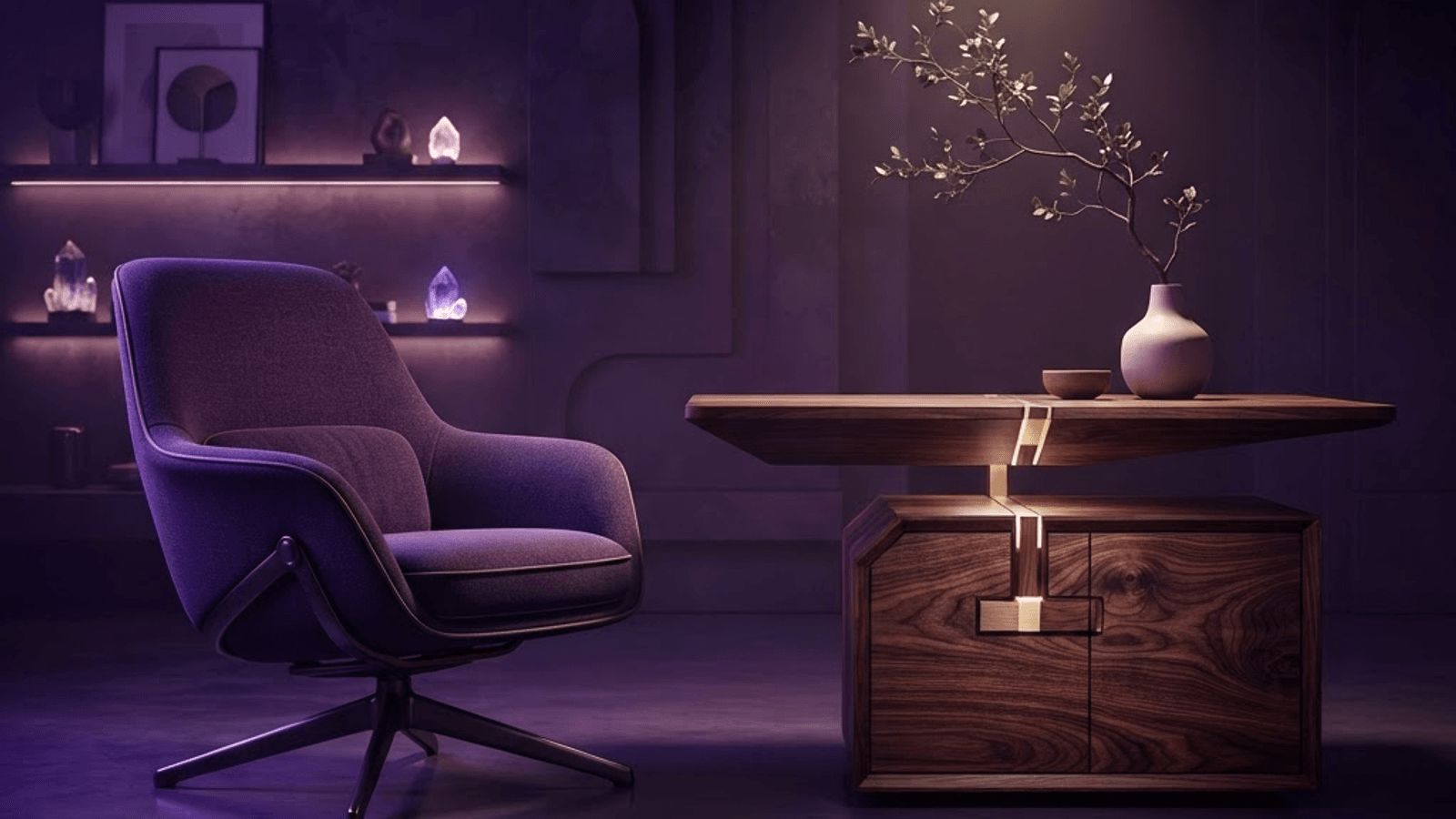
Furniture Making on the South Shore
Furniture manufacturing in the Town of Babylon is a craft-driven industry. Rather than competing with imported flat-pack goods, local makers build custom cabinetry, solid wood furniture, upholstered pieces, and outdoor furnishings for homeowners, designers, restaurants, and offices who want something specific, durable, and made to fit.
The local market supports this well. Babylon's housing stock includes older homes with irregular dimensions where stock cabinetry simply does not fit, waterfront properties requiring moisture-tolerant materials, and a strong interior design community that specifies custom work regularly. Restaurants, medical offices, and retail spaces provide steady commercial demand for millwork and seating built to withstand heavy use.
What Local Makers Produce
Custom cabinetry is the largest category, covering kitchens, bathrooms, built-in bookcases, mudroom systems, closets, and entertainment units. Shops working in this space handle design, material selection, finishing, and installation, and the best treat template measurement and scribing as seriously as joinery.
Solid wood furniture includes dining tables, benches, beds, desks, and case goods, often using domestic hardwoods and traditional joinery methods that allow pieces to be repaired rather than discarded. Upholstery covers new frame construction as well as reupholstery of existing furniture, including antique restoration.
Commercial millwork serves offices, restaurants, and retail with reception desks, bars, booths, display fixtures, and wall paneling. Outdoor furniture builders work in teak, cedar, and marine-grade materials suited to salt air and sun exposure.
The Leading Furniture Manufacturers Serving Babylon
1. South Shore Custom Cabinetry designs and builds full kitchen and bath cabinetry with in-house finishing, offering detailed drawings and template measurement for older homes with out-of-square walls.
2. Babylon Hardwood Furniture Workshop produces solid wood dining tables, beds, and case goods using mortise and tenon and dovetail joinery, with domestic hardwoods and hand-applied finishes.
3. Great South Bay Outdoor Furniture Works builds teak and cedar outdoor seating, dining sets, and dock furniture engineered for salt air, moisture, and ultraviolet exposure.
4. Lindenhurst Upholstery Manufacturing constructs new upholstered frames and reupholsters existing pieces, offering eight-way hand-tied springs and contract-grade fabrics for commercial clients.
5. Copiague Commercial Millwork Company fabricates reception desks, restaurant booths, bars, and retail fixtures with attention to durability, code compliance, and installation scheduling.
6. Deer Park Closet and Storage Systems designs and manufactures closet interiors, pantry systems, garage storage, and home office built-ins with adjustable configurations.
7. Amityville Antique Furniture Restoration repairs and refinishes period furniture, replicating missing components, repairing veneer, and stabilizing structural joints without compromising original character.
8. Babylon Village Live Edge Studio creates live edge slab tables, countertops, and shelving from locally milled logs, with epoxy stabilization and hand-finished edges.
9. West Islip Contract Furniture Group manufactures seating and casework for healthcare, education, and hospitality clients, meeting flammability and cleanability requirements for institutional use.
10. Long Island Metal and Wood Fabrication produces mixed-material furniture combining steel frames with wood surfaces for industrial and contemporary interiors.
Trends in Custom Furniture
Sustainability has become a genuine purchasing factor. Buyers ask about wood sourcing, low-emission finishes, and whether a piece can be repaired decades later. Locally milled and reclaimed lumber has grown in popularity both for environmental reasons and for the character it brings.
Multifunctional design reflects how people now use their homes. Built-in desks, murphy bed systems, banquette seating with storage, and cabinetry that accommodates home offices are all common requests in a market where square footage is expensive.
Digital fabrication has entered even traditional shops. Computer-controlled routers and cabinet design software improve accuracy and reduce material waste, while allowing makers to produce complex profiles that would once have been prohibitively labor-intensive. The craft skills still determine final quality, but the tools have changed.
Lead times remain longer than they were before recent supply disruptions, particularly for specialty hardware and imported veneers. Experienced shops now order long-lead items at the start of a project rather than midway through.
Commissioning Custom Work Successfully
Start with a clear brief including dimensions, materials, finish preferences, budget range, and required completion date. Bring photographs of pieces you admire, since visual references communicate more effectively than adjectives.
Expect a design and quotation stage, sometimes with a fee credited toward production. Review drawings carefully, confirming dimensions, hardware, finish samples, and how the piece will be delivered and installed. Ask about deposit structure, change order handling, and what happens if measurements taken before demolition prove inaccurate.
Visit the shop when possible. Seeing work in progress reveals more about quality standards than any showroom display. Ask about warranty coverage on joinery and finish, and about the shop's policy on future repairs.
Final Thoughts
Furniture manufacturing in Babylon delivers what mass production cannot: pieces sized to a specific room, built from chosen materials, and repairable for decades. The makers profiled here span cabinetry, hardwood furniture, upholstery, outdoor pieces, millwork, restoration, and mixed materials. A clear brief and a shop with relevant experience produce furniture that outlasts trends.