
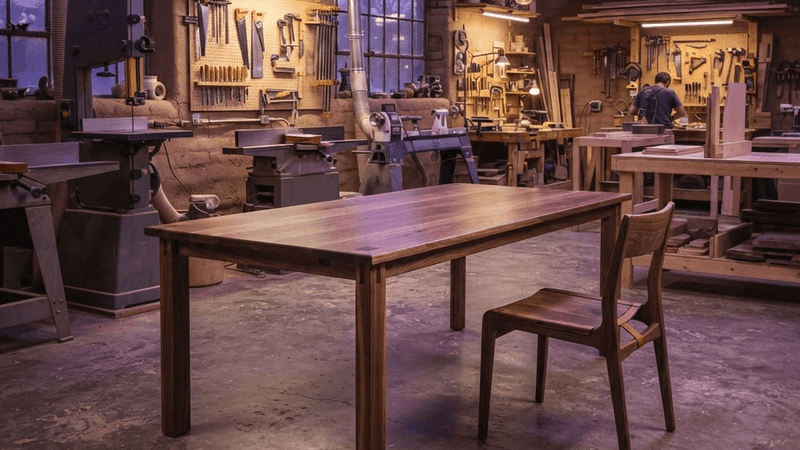
Craftsmanship Rooted in the Southwest
Furniture manufacturing in Albuquerque carries a distinctive character shaped by the region's rich cultural heritage and natural beauty. From handcrafted solid wood tables to contemporary commercial furnishings, local makers combine traditional woodworking skills with modern design sensibilities. The result is furniture that reflects the warmth, authenticity, and craftsmanship associated with New Mexico.
The city's furniture manufacturers serve a diverse clientele, including homeowners seeking custom pieces, businesses outfitting offices and hospitality spaces, and designers looking for unique, locally made products. This variety supports a healthy ecosystem of artisans, small workshops, and larger production facilities.
From Custom Artisans to Production Shops
Albuquerque's furniture makers range from individual craftspeople producing bespoke heirloom pieces to established shops manufacturing furniture at scale. Custom artisans often specialize in solid wood construction, hand-finished surfaces, and Southwestern-inspired designs featuring rustic textures and regional motifs. These makers prize durability and character, creating furniture built to last generations.
Larger manufacturers focus on commercial and contract furniture, supplying offices, hotels, restaurants, and institutions. These firms balance efficient production with quality, offering consistent products that meet the demands of business clients. Between these extremes are mid-sized shops that combine craftsmanship with reasonable production volumes, serving both residential and commercial markets.
Ten Furniture Makers Worth Knowing
The leading furniture manufacturers in Albuquerque are distinguished by their material quality, design creativity, and attention to detail. Custom workshops that specialize in solid wood dining tables, cabinetry, and Southwestern furniture bring artistry and durability to every piece. Their work often features locally sourced or premium hardwoods finished with meticulous care.
Commercial furniture producers round out the top tier, supplying durable seating, desks, and fixtures for businesses across the region. Upholstery specialists and mixed-material makers add further variety, crafting sofas, chairs, and accent pieces that blend comfort with style. Together, these companies offer a rich palette of options for any furniture need.
What sets the best makers apart is their dedication to craftsmanship. In an era of mass-produced imports, Albuquerque's furniture manufacturers differentiate themselves through quality construction, thoughtful design, and the personal touch that comes from local production.
Design Trends and Consumer Preferences
Sustainability and authenticity are increasingly important to furniture buyers, and Albuquerque makers are well positioned to meet these preferences. Locally sourced materials, responsible production, and durable construction appeal to consumers seeking alternatives to disposable furniture. The demand for unique, handcrafted pieces continues to grow as buyers value individuality over uniformity.
Modern Southwestern design, which blends clean contemporary lines with regional warmth, remains popular in both residential and commercial settings. Multifunctional and space-efficient furniture is also in demand, reflecting broader lifestyle trends. Albuquerque manufacturers are adapting to these shifts while preserving the craftsmanship that defines their work.
Choosing a Furniture Manufacturer
When selecting a furniture maker in Albuquerque, consider factors such as material quality, design flexibility, production capacity, and craftsmanship. For custom pieces, review a maker's portfolio and discuss your vision to ensure a good fit. For commercial needs, evaluate durability, lead times, and the ability to fulfill larger orders.
Albuquerque's furniture manufacturers offer a compelling combination of artistry, quality, and regional character. Whether you seek a one-of-a-kind heirloom or dependable commercial furnishings, the city's top makers deliver pieces that stand out for their beauty and craftsmanship.
A Practical Evaluation Checklist
Before committing to any Albuquerque supplier, create a short list of measurable requirements rather than relying on reputation alone. Ask how the company controls incoming materials, documents production steps, inspects finished work, and handles a nonconforming order. Request representative lead times for prototypes, routine orders, and urgent replacements. Buyers should also clarify minimum order quantities, tooling responsibilities, change-order policies, freight arrangements, and warranty terms. A capable partner will answer these questions clearly and explain where its process is strongest. References from customers with comparable specifications can provide useful context, while a facility visit can reveal organization, equipment condition, safety practices, and the level of attention given to quality.
Location is another practical advantage. Working with a company in the Albuquerque metro can simplify design reviews, sample approvals, and problem solving. Local sourcing may shorten transportation routes, reduce schedule uncertainty, and make smaller replenishment orders more realistic. It also keeps more purchasing activity within New Mexico's economy, supporting skilled jobs and strengthening the network of service providers around manufacturing. Price still matters, but the lowest initial quote may not represent the lowest total cost when delays, rework, inventory, and communication are considered.
Why Albuquerque Remains Competitive
Albuquerque combines research talent, industrial experience, interstate access, and comparatively manageable operating costs. Its position along major regional transportation routes helps companies serve customers across the Mountain West and Southwest. The area's engineering culture encourages practical innovation, while its mix of established businesses and specialist shops gives buyers options for both repeat production and unusual assignments. Workforce development, automation, and closer collaboration between industry and education will be important to future growth. Companies that invest in training, efficient equipment, and transparent quality systems are likely to remain the most dependable choices.
Readers should treat any top-ten guide as a starting point rather than a substitute for due diligence. Capabilities, staffing, certifications, and production schedules can change, and the best company for one project may not be ideal for another. Compare several qualified businesses, provide the same specification to each, and assess the complete proposal. That disciplined approach makes it easier to select an Albuquerque partner that offers the right balance of quality, service, capacity, and long-term value.