
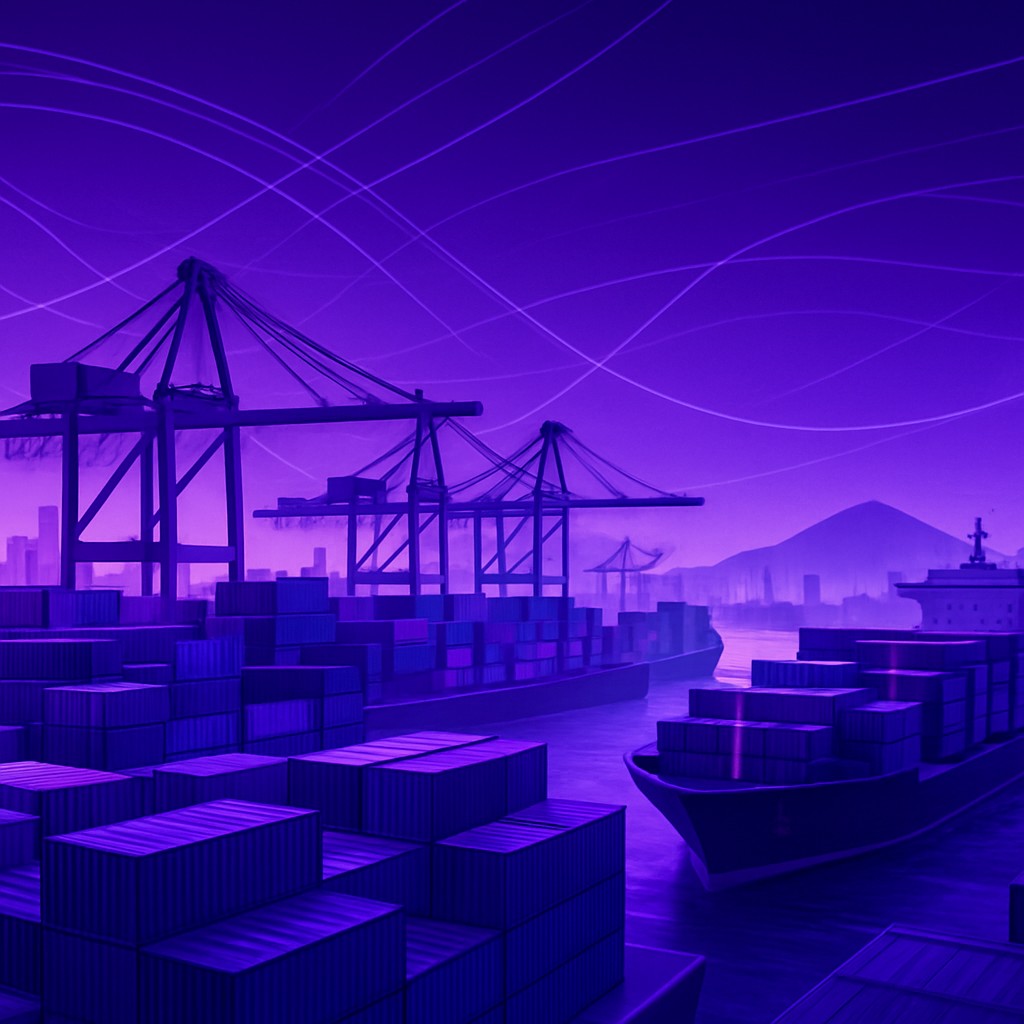
South Korea's Strategic Role in Global Freight
South Korea stands as one of the world's leading trading nations, with a powerful export-driven economy built on electronics, automobiles, machinery, and petrochemicals. Supporting this vast trade network is a sophisticated freight industry that moves goods efficiently across oceans, skies, and land. The country's strategic location in East Asia, combined with world-class infrastructure, makes it a critical hub for regional and international logistics.
Freight companies in South Korea handle everything from bulk commodities to high-value technology products, ensuring that the nation's manufacturers can reach global markets reliably. Their efficiency and reach are vital to maintaining Korea's competitiveness in the global economy.
Major Ports and Sea Freight
Maritime freight is the backbone of Korean trade, given the country's reliance on exports. The Port of Busan is the largest in South Korea and one of the busiest container ports in the world, serving as a major transshipment hub for Northeast Asia. Other significant ports include Incheon, Gwangyang, and Ulsan, each playing important roles in handling containers, bulk cargo, and industrial goods.
Leading shipping and freight companies such as HMM, formerly Hyundai Merchant Marine, operate extensive global networks, transporting containers across major trade routes. These carriers invest in large, modern vessels and advanced port operations to maintain efficiency and reliability, reinforcing Korea's position as a maritime power.
Air Freight Services
For time-sensitive and high-value shipments, air freight is indispensable. South Korea's Incheon International Airport ranks among the busiest cargo airports globally, equipped with state-of-the-art facilities for handling diverse goods, including perishables, pharmaceuticals, and electronics.
Carriers such as Korean Air Cargo and Asiana Cargo operate extensive freighter fleets and belly-cargo capacity, connecting Korea to destinations worldwide. Their rapid transit times and reliable handling make them preferred partners for industries requiring speed and precision. Specialized freight forwarders complement these carriers by managing complex shipments and customs procedures.
Land Freight and Domestic Distribution
Within the country, an efficient network of road and rail freight ensures goods reach factories, ports, and retail centers promptly. Trucking companies handle the majority of domestic cargo, supported by Korea's excellent highway system. Rail freight complements road transport for heavy and bulk goods, offering an environmentally efficient alternative for long distances.
Many freight companies provide integrated services that combine sea, air, and land transport, offering seamless door-to-door solutions. This multimodal approach is increasingly important for businesses seeking efficiency and reliability across complex supply chains.
Choosing a Freight Partner
Selecting the right freight company depends on several factors, including the nature of the goods, destination, budget, and required transit time. Businesses should consider a provider's network coverage, handling expertise, customs knowledge, and reliability. Companies with strong track records in specific industries, such as electronics or automotive, can offer specialized handling and tailored solutions.
Transparency in pricing, clear communication, and robust tracking capabilities are also essential. Reputable freight providers offer real-time visibility into shipments, helping clients manage their supply chains with confidence and respond quickly to any disruptions.
Trends Shaping the Freight Industry
The Korean freight sector is undergoing significant transformation driven by technology and sustainability. Digitalization is streamlining operations, with advanced tracking systems, automated documentation, and data analytics improving efficiency and transparency. Smart ports and automated terminals are enhancing cargo handling speed and accuracy.
Sustainability is a growing priority, with companies investing in cleaner fuels, energy-efficient vessels, and greener logistics practices to reduce environmental impact. As global trade evolves, Korean freight companies continue to adapt, leveraging innovation to maintain their reputation for speed, reliability, and excellence.
From the bustling docks of Busan to the cargo terminals of Incheon, South Korea's freight companies form the vital arteries of a trading nation. Their expertise and infrastructure keep goods flowing smoothly, supporting both the domestic economy and global commerce.