
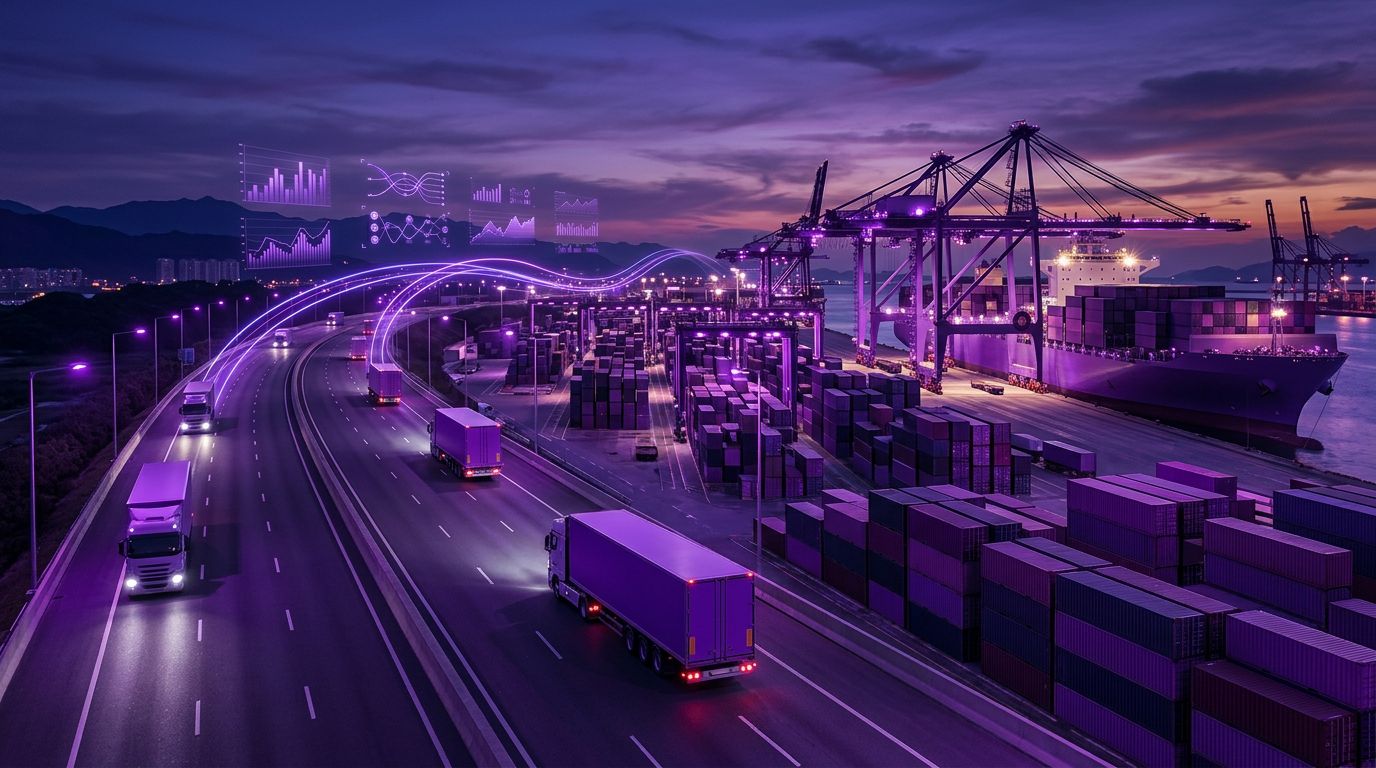
North Charleston: A Freight Powerhouse
Few cities in the Southeast play a more critical role in freight transportation than North Charleston. The Port of Charleston, one of the busiest container ports on the East Coast, has major terminals in and near the city, including the Hugh K. Leatherman Terminal on the former Navy Base. Interstate highways I-26 and I-526, Class I railroads, and Charleston International Airport's cargo operations make North Charleston a central node in national and global supply chains. Manufacturers such as Boeing, Mercedes-Benz Vans, and numerous suppliers depend on reliable freight services to move parts and finished products.
Here are ten of the best freight companies serving North Charleston businesses.
Types of Freight Services
Freight services include full truckload, less-than-truckload, intermodal, ocean freight, air cargo, and specialized transport such as flatbed, refrigerated, and hazardous materials hauling. Drayage companies move containers between the port and nearby warehouses or rail yards. Freight forwarders coordinate international shipments, handling documentation, customs clearance, and multimodal routing.
Top 10 Freight Companies in North Charleston
1. J.B. Hunt Transport Services
J.B. Hunt is one of the largest transportation companies in North America, offering intermodal, dedicated, truckload, and final-mile services. Its intermodal expertise is particularly valuable in the Charleston market, where containers move efficiently between the port and inland destinations.
2. Old Dominion Freight Line
Old Dominion is a leading less-than-truckload carrier known for exceptional on-time performance and low claims ratios. Its service centers in the Southeast support businesses shipping smaller loads across the country.
3. FedEx Freight
FedEx Freight provides LTL shipping with priority and economy options. Its extensive network and advanced tracking tools make it a trusted choice for businesses of all sizes.
4. Schneider National
Schneider offers truckload, intermodal, and logistics services. Its large fleet and technology platform help shippers secure capacity and optimize transportation costs.
5. XPO
XPO is a major LTL provider focused on service quality and network efficiency. Businesses in North Charleston rely on XPO for regular freight shipments throughout the Southeast and beyond.
6. Saia
Saia has rapidly expanded its LTL network, offering reliable regional and national coverage. Its customer-focused approach and growing terminal network make it a competitive option.
7. Maersk
Maersk, one of the world's largest container shipping companies, serves the Port of Charleston with ocean freight connections to Europe, Asia, and Latin America. Its integrated logistics services include inland transportation and warehousing.
8. Hapag-Lloyd
Hapag-Lloyd is a global container carrier with regular service to Charleston. Exporters and importers use its routes to move goods ranging from automotive components to consumer products.
9. Estes Express Lines
Estes is the largest privately owned LTL carrier in the United States, providing regional and national freight services. Its strong presence in the Southeast benefits North Charleston shippers.
10. Local Drayage Specialists
Locally based drayage companies play an essential role in moving containers between port terminals, warehouses, and rail yards. Their knowledge of terminal operations, appointment systems, and local routes keeps cargo flowing efficiently.
Industry Trends
The Port of Charleston has invested heavily in infrastructure, including harbor deepening, new terminals, and expanded rail access through the Navy Base Intermodal Facility. These improvements allow the port to handle larger vessels and increase cargo volumes, driving demand for freight services across the region.
Technology is transforming the freight industry. Real-time tracking, digital freight matching, electronic logging devices, and predictive analytics help carriers improve efficiency and transparency. Sustainability is also a growing priority, with companies exploring electric trucks, alternative fuels, and optimized routing to reduce emissions. Nearshoring and supply chain diversification have increased interest in Southeastern ports, further boosting North Charleston's freight activity.
How to Choose a Freight Partner
Start by defining your shipping needs, including volume, frequency, destinations, and cargo type. Evaluate carriers based on reliability, capacity, safety records, and technology capabilities. Request quotes from multiple providers and compare total costs, including accessorial charges. Consider working with a third-party logistics provider or freight broker if you need help managing multiple carriers or complex shipments.
Challenges Facing Shippers
Freight markets can be volatile, with capacity and rates fluctuating based on demand, fuel prices, and economic conditions. Port congestion, driver shortages, and weather disruptions can also affect schedules. Building strong relationships with dependable carriers and maintaining flexible strategies help businesses navigate these challenges.
The Role of Freight in the Local Economy
Freight activity supports thousands of jobs in North Charleston, from truck drivers and dock workers to dispatchers, customs specialists, and warehouse associates. The steady movement of goods draws more manufacturers and distributors to the region, which in turn creates more demand for transportation services. Local workforce programs and technical colleges have added training in commercial driving, logistics management, and supply chain technology to meet the industry's needs. For shippers, this concentration of expertise means faster service, competitive pricing, and access to carriers that understand the unique rhythms of a busy port city.
Final Thoughts
North Charleston's strategic location and world-class infrastructure make it a premier freight hub in the Southeast. Whether you need ocean shipping, intermodal transport, truckload capacity, or LTL service, the region's freight companies offer reliable solutions. By choosing experienced partners and embracing technology, businesses can keep their supply chains moving efficiently and competitively.