
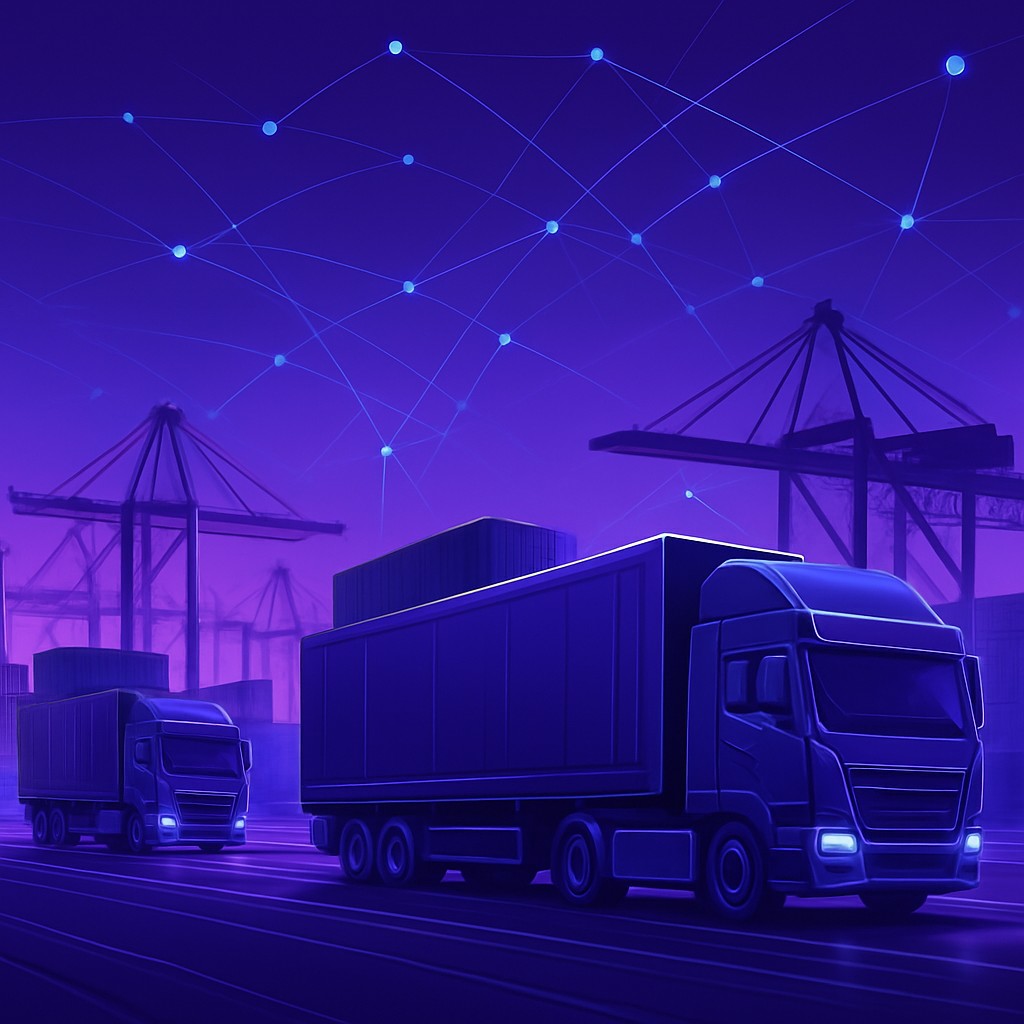
The Netherlands as a Global Freight Powerhouse
The Netherlands occupies a central position in global trade, serving as a vital gateway between Europe and the rest of the world. Home to the Port of Rotterdam, the largest seaport in Europe, and Schiphol, a major air cargo hub, the country boasts an unrivaled logistics infrastructure. This strategic location, combined with advanced transport networks, has made the Netherlands a cornerstone of international freight and distribution.
Freight companies operating in the Netherlands benefit from world-class facilities, efficient customs processes, and excellent connectivity by sea, air, road, and rail. These advantages enable the rapid and reliable movement of goods across borders, supporting industries ranging from manufacturing and agriculture to e-commerce and technology. The freight sector is a driving force behind the Dutch economy.
Leading Freight and Transport Providers
The Dutch freight landscape features a mix of global logistics giants and specialized regional operators. International companies such as DHL, DSV, DB Schenker, and Kuehne and Nagel maintain substantial operations in the country, offering comprehensive freight forwarding, warehousing, and supply chain solutions. Their extensive networks and expertise make them trusted partners for businesses of all sizes.
Dutch-rooted companies also play a significant role, leveraging deep local knowledge and strong international connections. These providers excel in handling diverse cargo types, from bulk commodities and perishables to high-value and time-sensitive shipments. Their combination of reliability, flexibility, and innovation positions them among the best in the industry.
Sea Freight and the Port of Rotterdam
The Port of Rotterdam stands at the heart of Dutch freight operations, handling vast volumes of containerized and bulk cargo. Its deep-water access, advanced terminals, and efficient handling capabilities make it a preferred entry point for goods destined for European markets. Freight companies leverage this hub to offer competitive shipping solutions worldwide.
Sea freight services encompass full container loads, less-than-container loads, and specialized transport for oversized or hazardous goods. The port's seamless integration with road, rail, and inland waterway networks ensures that cargo moves swiftly from ship to final destination. This connectivity is a key reason why so many global businesses rely on Dutch sea freight services.
Air Freight and Schiphol Cargo
For time-critical shipments, air freight through Schiphol Airport provides exceptional speed and reliability. As one of Europe's leading cargo airports, Schiphol handles a wide range of goods, including pharmaceuticals, electronics, and perishable products. Freight companies offer tailored air cargo solutions that prioritize efficiency and security.
The combination of advanced handling facilities, customs expertise, and global airline connections enables rapid international delivery. Specialized services for temperature-sensitive and high-value cargo ensure that delicate shipments arrive in optimal condition. Air freight remains an essential option for businesses requiring fast, dependable transport.
Road and Rail Freight Networks
The Netherlands' compact size and excellent infrastructure make road freight highly efficient for both domestic and cross-border deliveries. A dense network of well-maintained highways connects the country to neighboring nations, allowing trucks to reach major European markets quickly. Freight companies offer flexible road transport solutions, including dedicated and groupage services.
Rail freight is also growing in importance, supported by sustainability initiatives and investment in rail corridors. Trains provide an environmentally friendly alternative for transporting goods over longer distances, reducing road congestion and emissions. The integration of road and rail networks enhances overall efficiency and offers businesses versatile transport options.
Technology and Innovation in Freight
Innovation is a defining characteristic of the Dutch freight sector. Companies increasingly adopt advanced tracking systems, automation, and data-driven logistics to optimize operations and provide real-time visibility. These technologies improve efficiency, reduce errors, and enhance customer satisfaction by offering greater transparency.
Sustainability also drives innovation, with providers investing in cleaner vehicles, energy-efficient warehouses, and greener transport modes. The push toward digitalization and environmental responsibility ensures that Dutch freight companies remain at the forefront of industry developments, meeting the evolving needs of global commerce.
Choosing the Right Freight Partner
Selecting a freight company requires careful consideration of factors such as cargo type, destination, speed requirements, and budget. Businesses should evaluate a provider's experience, network reach, and ability to handle specific logistics challenges. Strong communication, reliable customer support, and proven expertise are essential qualities.
Transparency in pricing and a clear understanding of services offered help build successful partnerships. For companies with specialized needs, choosing a provider with relevant industry experience ensures smoother operations. A dependable freight partner becomes a strategic asset, supporting growth and enabling access to global markets.
Final Thoughts
The Netherlands stands as a premier hub for freight and logistics, supported by exceptional infrastructure and a wealth of capable providers. From the bustling Port of Rotterdam to the efficient cargo operations at Schiphol, the country offers world-class freight solutions across sea, air, road, and rail. By understanding the strengths of leading companies and selecting the right partner, businesses can navigate global trade with confidence and efficiency.